Water Heater Thermostat Replacement: When Is It the Cause?
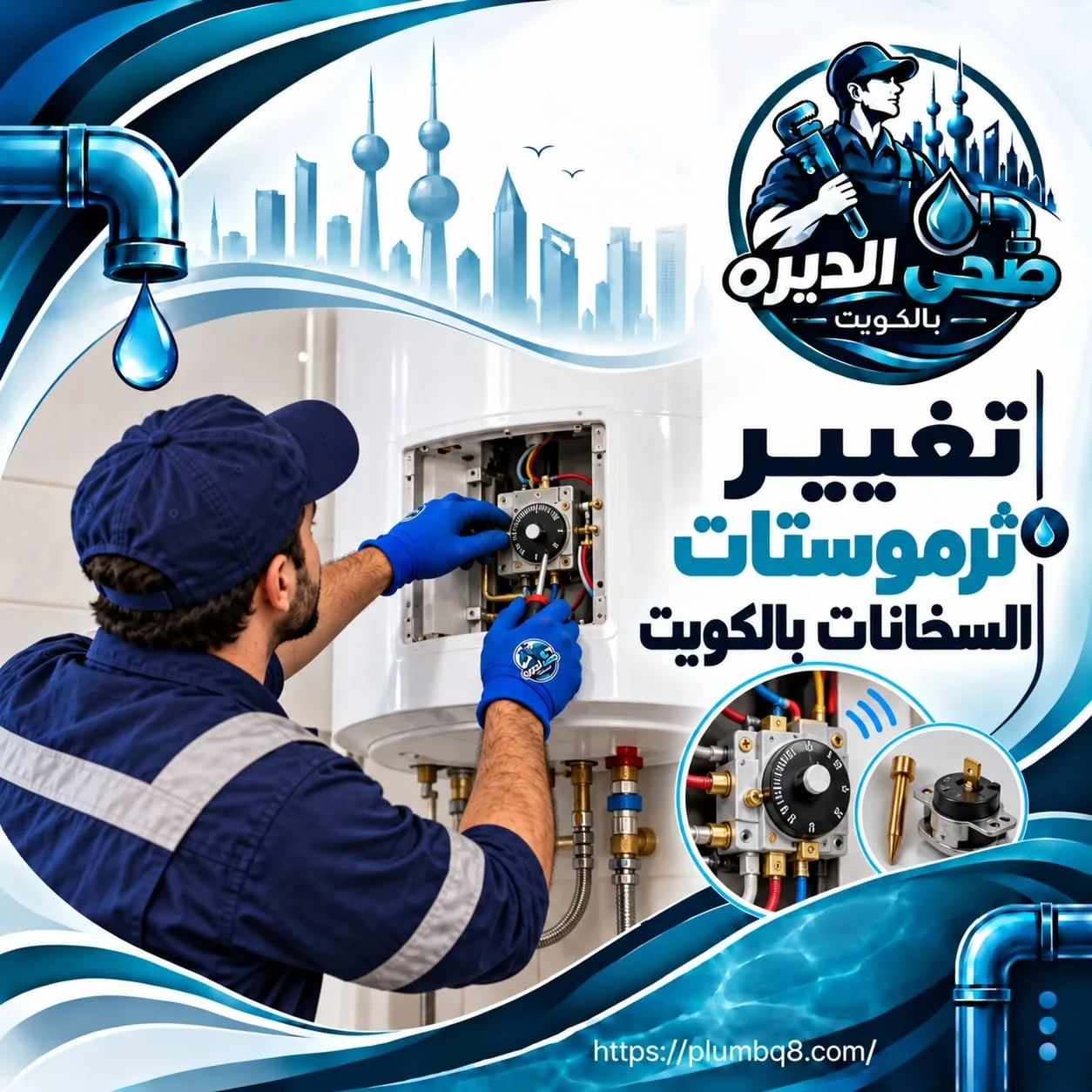
If your water heater suddenly produces excessively hot water or only lukewarm water despite the temperature setting, the thermostat is not necessarily defective. Sometimes the problem comes from the heating element, temperature sensor, or control connections, especially when the heater switches off before reaching the required temperature. The thermostat regulates heating operation according to temperature, but replacing it without proper testing could mean paying for a working component while the original problem remains unresolved. Before requesting water heater thermostat replacement, it is important to recognize the symptoms that may indicate a thermostat fault and understand how they differ from other heater problems. This article explains when replacement is necessary and when more detailed diagnosis is needed before choosing a replacement component.
Water Heater Thermostat Replacement in Kuwait

When you need water heater thermostat replacement in Kuwait, the first step is not to purchase a new thermostat and install it. Instead, the technician should determine whether the existing temperature controller is actually responsible for the problem. Electric water heaters differ in design. Some use a mechanical thermostat to control the heating element, while others contain electronic sensors and control units. The correct replacement component and testing procedure therefore depend on the heater model and its control system.
Imagine you have an electric storage water heater that suddenly begins producing water at a higher temperature than usual, even though you have not changed the temperature setting. The thermostat might be failing to interrupt heating when the required temperature is reached, but that symptom alone does not confirm a defective thermostat. The technician needs to examine how the temperature control responds and check the sensor and electrical connections according to the appliance's design. The fault may originate in another component of the heating control system.
In another situation, the heater may produce lukewarm water even after you increase the temperature setting. Some homeowners immediately decide to replace the thermostat, although the cause could be a poorly performing heating element, interrupted electrical power to the element, a temperature measurement problem, or heavy hot-water consumption before the tank has finished heating. It is therefore important to distinguish insufficient heating from inaccurate temperature regulation.
Before replacement, the technician should identify the heater type, capacity, and model number. Not every thermostat is compatible with every water heater, even when the replacement looks similar to the original. The control specifications, operating temperature range, mounting arrangement, and electrical connections must match the appliance's design and the manufacturer's instructions.
It is also important to recognize that some water heaters have independent overtemperature protection devices. These components do not replace the thermostat, and they must never be bypassed or disabled simply because the heater frequently switches off. Repeated shutdowns require investigation before the appliance is restarted.
From a safety perspective, inspecting a thermostat inside a water heater involves electrical components. Homeowners should not remove the protective cover, touch wiring, or experiment with electrical connections themselves. A qualified technician must disconnect the electrical supply and verify that it is safely isolated before performing internal work.
The correct replacement decision should follow confirmation that the thermostat cannot perform its intended function properly or has damage requiring replacement. If the problem originates in the heating element, temperature sensor, or another control component, replacing the thermostat alone will not resolve it.
-
If your water heater begins producing water hotter than its usual setting, tell the technician when the problem started and whether the temperature continues to rise, because these details help assess thermostat response instead of assuming it has failed.
-
If the heater produces only lukewarm water, do not request thermostat replacement before the heating element and electrical supply are checked, because inadequate heating can have several different causes.
-
If you have a photograph of the heater's identification label and model number, prepare it before requesting a replacement because thermostat compatibility depends on technical specifications rather than appearance alone.
-
If the heater shuts down because of excessive temperature or repeatedly activates its safety protection, do not bypass safety devices or repeatedly restart the appliance before identifying the cause.
-
If thermostat replacement is confirmed as necessary, ask the technician to verify compatibility and test the heater afterward so the repair addresses the actual fault rather than merely installing another component.
Water Heater Thermostat Malfunctions
A water heater thermostat malfunction means that the component responsible for regulating heating operation is not performing its intended function correctly. However, the symptoms vary according to the thermostat type and heater design. In some cases, a defective thermostat may prevent heating from starting. In others, it may fail to interrupt heating at the required temperature. Water temperature alone is therefore insufficient to establish the cause.
Consider an electric storage heater that initially operates normally but later begins producing inconsistent water temperatures. If its thermostat relies on sensing the tank temperature, the technician needs to verify that the sensor or temperature-sensing component is correctly positioned and that the control response matches the actual heating conditions. In certain designs, improper sensor contact can affect temperature readings even when the thermostat itself is not defective.
Another possible malfunction involves the electrical contacts inside a mechanical thermostat. If those contacts do not open or close correctly, heating element operation may be affected. However, diagnosing this condition requires appropriate equipment and testing procedures. Hearing a clicking sound or turning the temperature adjustment knob is not enough to determine whether the thermostat is functioning properly.
Some water heaters also contain an electronic control unit connected to a separate temperature sensor. Such systems may develop symptoms resembling those of a faulty conventional thermostat, even though the actual problem involves the sensor, control board, or wiring between them. Describing every temperature-related fault as a thermostat problem can therefore lead to ordering the wrong component.
Normal operating conditions can also create confusion. Cold water enters a storage tank as hot water is consumed, changing the heating conditions. If a large amount of hot water is used within a short period, the heater may simply need additional time to warm the incoming water. This situation does not, by itself, indicate a thermostat malfunction.
If the heater produces unusually hot water, the situation requires greater attention because of the risk of scalding and possible overheating. Warning signs such as abnormal steam, severe leakage, or unusual sounds accompanied by excessive temperature require the appliance to be taken out of use safely and inspected by a qualified professional.
Repeatedly resetting thermal protection devices without identifying why they activated is another common mistake. A safety shutdown may be responding to a genuine problem, and repeatedly restarting the heater does not correct the cause and may increase the danger.
Diagnosing a thermostat malfunction therefore requires examining the heating and control system as interconnected components rather than replacing a part based only on a general complaint such as the heater not heating or the water becoming too hot.
-
If the heater does not begin heating, explain whether the appliance appears to have electrical power and whether the problem is continuous or intermittent, because these details help define the inspection without assuming thermostat failure.
-
If water temperature changes unexpectedly, explain whether the change occurs after heavy hot-water consumption or during periods without use, because normal operating conditions differ from temperature-control faults.
-
If your heater uses electronic controls, do not order a conventional mechanical thermostat based on appearance because the malfunction may involve a separate sensor or electronic control unit.
-
If thermal protection repeatedly activates, do not keep resetting it because the technician must identify the cause and confirm that the heating system is safe.
-
If excessive temperature or unusual steam appears, stop using the heater and follow a safe isolation procedure rather than experimenting with temperature settings while waiting for the situation to improve.
Signs of a Faulty Water Heater Thermostat
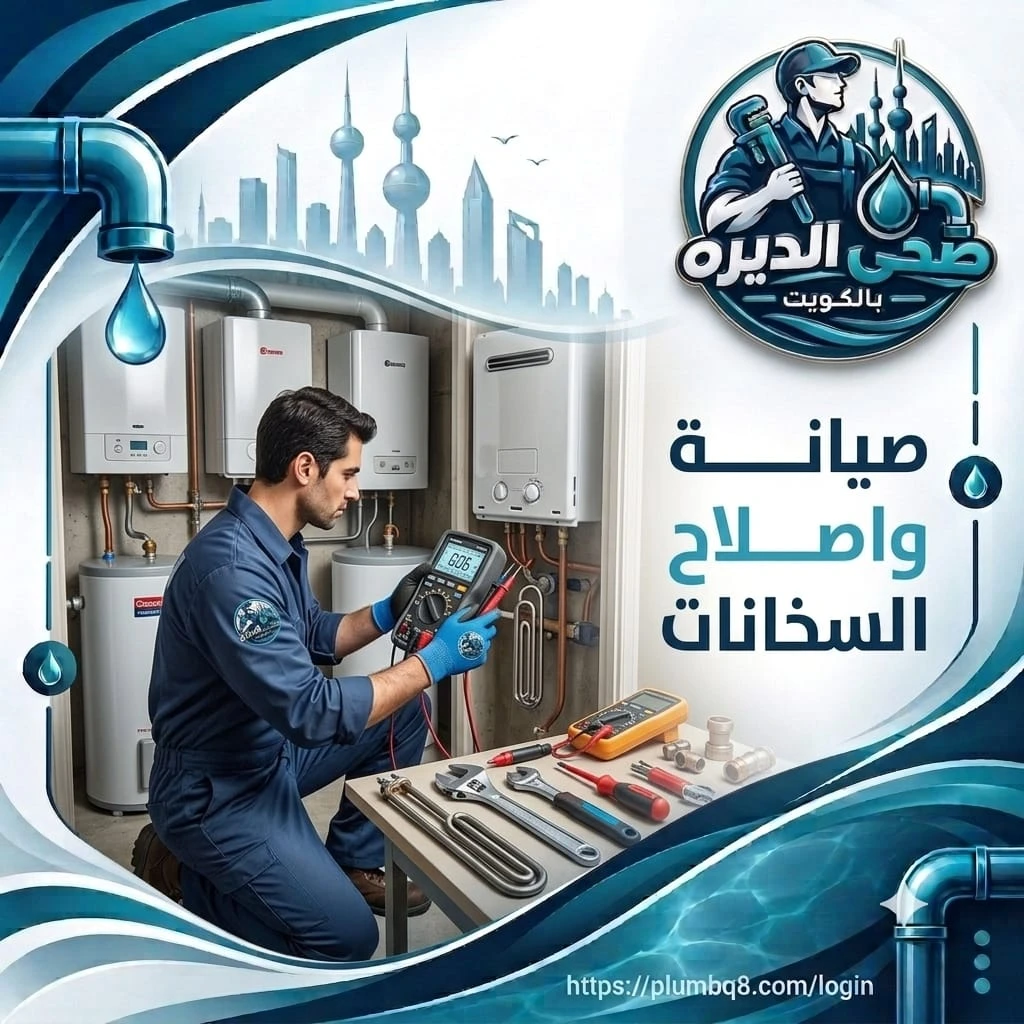
The signs of a faulty water heater thermostat can help you recognize when temperature-control inspection is necessary, but they do not provide a final diagnosis. Several different faults can produce similar symptoms, particularly in heaters containing heating elements, sensors, and independent safety devices. It is better to observe the nature and frequency of the problem rather than relying on one symptom and immediately deciding to replace the thermostat.
One warning sign is water becoming hotter than usual even though the heater's temperature setting has remained unchanged. If you are using approximately the same setting under similar consumption conditions but the water becomes noticeably hotter, there may be a problem with temperature regulation. Nevertheless, the thermostat, sensor, and other control components should be checked before identifying the defective part.
Another possible sign is the heater failing to reach the required temperature despite having enough time to heat under normal operating conditions. This may involve the thermostat if it interrupts heating prematurely, but it may also result from the heating element, electrical supply, or hot-water consumption. It is therefore useful to establish whether the problem persists when hot water is not being used continuously.
Repeated changes in water temperature may also make you suspect the thermostat. However, you should determine whether the temperature changes occur at every hot-water outlet or only at one shower or faucet. A problem with the mixing mechanism inside a faucet or changes in water flow can create temperature fluctuations even when the heater's thermostat is operating normally.
Repeated shutdowns caused by a thermal safety device are another symptom requiring attention. If the heater has protection designed to disconnect power under certain conditions, repeated activation indicates that inspection is necessary. However, it does not prove that the thermostat itself is defective. The problem may involve the control system or another heating component.
Clicking sounds from certain mechanical thermostats are not sufficient evidence of either failure or correct operation. Some temperature controllers naturally produce sounds when switching on or off, while evaluating their performance requires appropriate technical testing.
It is also important to identify when the symptoms began. If they appeared after recent maintenance or replacement of another heater component, that information can help the technician review the relevant connections and previous work. However, it does not automatically establish that the earlier maintenance caused the problem.
Before the technician arrives, record the symptoms in simple terms. Is the water excessively hot? Does it remain lukewarm? Does the heater switch off quickly? Is the problem constant or limited to certain situations? These observations can guide the inspection without requiring you to open the heater or touch its components.
-
If water becomes excessively hot despite an unchanged temperature setting, describe the symptom clearly because heating beyond the intended level may indicate a control fault requiring urgent inspection.
-
If the water remains lukewarm after the usual heating period, explain the consumption conditions because the cause may involve premature control shutdown, poor heating element performance, or heavy hot-water use.
-
If temperature changes occur at only one faucet, mention this because the source may be the mixing valve or water supply arrangement rather than the heater itself.
-
If thermal protection repeatedly activates, do not treat this as direct proof of thermostat failure because the complete heating and control system needs inspection.
-
If the problem started after replacing a component or carrying out maintenance, prepare the date and details of that work because they can help the technician review the situation without guesswork or unnecessary replacements.
Water Heater Cannot Maintain the Set Temperature
When a water heater cannot maintain the set temperature, it is important to distinguish between a heating regulation problem inside the appliance and temperature changes that occur while water is being used. Not every instance of unusually hot or cold water means the thermostat is defective. Sometimes the heater operates normally, but the temperature reaching the faucet changes because of hot-water consumption or the way hot and cold water are mixed.
Imagine setting your water heater to a particular temperature, but the water initially feels very hot and becomes lukewarm after some time. If you have a storage water heater, this change may be related to the amount of hot water remaining in the tank and the cold water entering to replace what has been used. However, if the temperature consistently rises beyond the intended level, the technician needs to check whether the thermostat is correctly controlling heating.
Another important consideration is whether the problem affects every hot-water faucet or only one bathroom. If the temperature is unstable at one mixer tap while other outlets work normally, the problem may involve that faucet or its mixing mechanism. If the problem affects the entire property, the inspection may focus more closely on the water heater and its components, while also considering the plumbing system's design.
Some water heaters have approximate temperature adjustment scales rather than displays showing the actual water temperature. Moving the control indicator to a higher or lower number does not necessarily mean that water at the faucet will match a particular temperature, especially when operating conditions vary.
A frequent mistake is turning the temperature control to its maximum setting in an attempt to overcome weak heating. If the cause is a defective heating element or another control component, increasing the setting will not repair it. It may also increase the risk of excessively hot water if temperature regulation is not working correctly.
If the heater has an electronic temperature sensor, the technician may need to assess its readings and the control unit's response. If the heater uses a mechanical thermostat, testing should follow that component's operating principles and specifications. The diagnosis must match the actual appliance.
-
If water temperature fluctuates during a shower, determine whether the same change occurs at every faucet or only one mixer, because this helps distinguish heater problems from water-mixing problems.
-
If the heater has an approximate temperature adjustment scale, do not assume the indicator position represents the exact temperature at the faucet because operating conditions and appliance design affect the result.
-
If the water becomes unusually hot, avoid using it and safely switch off the heater until the temperature-control system has been inspected.
-
If you consume a large quantity of hot water within a short period, remember that falling water temperature may result from the stored hot water being depleted rather than thermostat failure.
-
If changing the temperature setting produces no reasonable response, explain which adjustments you tried without removing the heater cover or touching internal electrical connections.
Water Heater Thermostat Replacement Technician
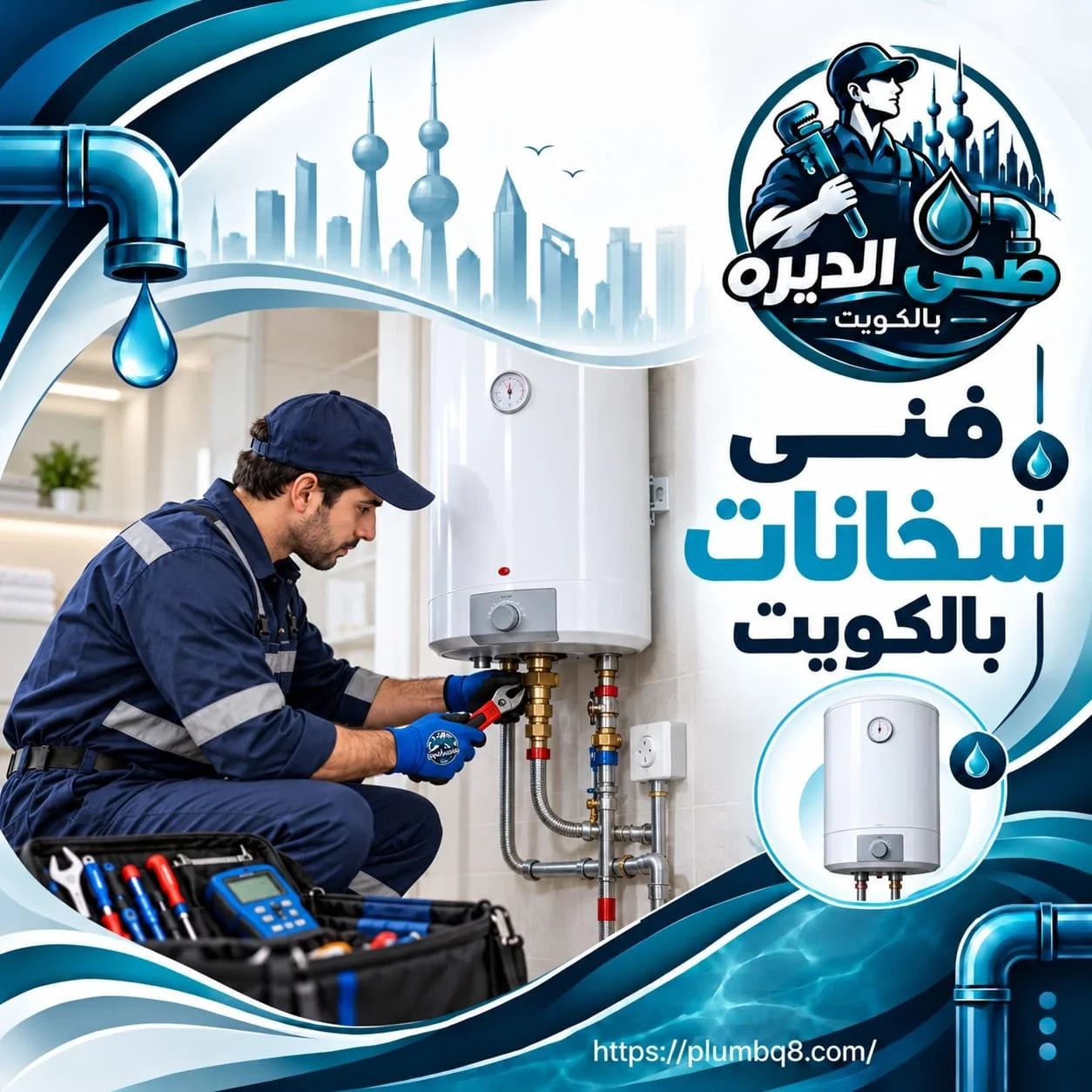
Choosing a water heater thermostat replacement technician involves more than finding someone who can remove an old component and install a new one. The important requirement is the ability to identify the heater's control system and diagnose the actual cause of temperature problems before deciding on replacement. The thermostat operates within a system that includes the heating element, sensors, safety devices, and electrical connections.
Consider an electric water heater that switches off before the water becomes sufficiently hot. The homeowner may request thermostat replacement because they believe it is interrupting heating too early. However, the technician must first examine the electrical supply, heating element condition, and control operation. If the thermostat is confirmed as the cause, a compatible replacement should be selected rather than installing a component merely because it resembles the original.
Useful information to prepare before the visit includes the manufacturer's name, model number, and heater capacity, where these are visible on the identification label. Some heaters require specific components with different temperature ranges, mounting arrangements, and electrical connections. A replacement should never be selected without checking the specifications.
The technician must also understand how to handle thermal safety devices correctly. If the heater has an independent protective cutout, it must not be bypassed or removed even if it causes the appliance to stop operating. The reason for its activation must be identified, and the system's safety must be confirmed.
Another essential requirement is disconnecting the electrical supply and verifying that no voltage is present before working on internal components. Simply turning off the heater's temperature control may not provide adequate isolation in every installation, so appropriate electrical safety procedures must be followed.
After installing the thermostat, confirming that the heater begins warming the water is not enough. The technician should check that the temperature control responds appropriately and that the appliance shows no signs of abnormal heating. Connections and protective covers disturbed during the repair should also be reviewed.
The technician should explain why replacement was necessary and identify the specifications of the new component, particularly when the heater is older or parts of its control system have previously been replaced.
-
Before requesting a water heater thermostat replacement technician, prepare the manufacturer's name and model number because identifying the correct component depends on the appliance specifications and control design.
-
If the heater shuts down before completing heating, request a diagnosis first because the cause may involve the power supply, heating element, or safety devices rather than the thermostat alone.
-
If a new thermostat is required, ensure that its temperature range, mounting method, and electrical connections are checked for compatibility instead of selecting a visually similar component.
-
If thermal protection repeatedly disconnects the heater, do not accept bypassing it as a temporary solution because safety devices must remain functional according to the appliance design.
-
After the repair, request verification of proper temperature-control response and the absence of abnormal heating because successful replacement cannot be judged simply by switching on the heater once.
Testing a Water Heater Thermostat Before Replacement
Testing a water heater thermostat before replacement is important because it helps avoid paying for a new component when the actual problem is somewhere else. The thermostat may be functioning correctly but receiving inaccurate temperature information in certain designs, lacking the necessary electrical supply, or working with a heating element that cannot perform its intended function.
Imagine a heater that does not warm the water even though its power indicator is illuminated. An illuminated indicator does not prove that electricity is reaching the heating element, nor does it prove that the thermostat is defective. The technician needs to examine the control and power circuits according to the appliance's wiring diagram and determine where normal operation has stopped.
For water heaters using mechanical thermostats, testing may involve assessing the electrical contacts and their response under appropriate testing conditions. However, this work requires measuring instruments and knowledge of electrical circuits. Homeowners should not attempt these tests themselves.
In electronically controlled heaters, the inspection may involve the temperature sensor, electronic control unit, and wiring between them. Diagnosis differs from testing a separate mechanical thermostat because the control system may contain several components responsible for measuring temperature and deciding when heating should operate.
The technician may also need to examine the position of the temperature sensor or sensing element according to the heater's design. If it was installed incorrectly during previous maintenance, the control response may be affected. However, confirming this requires physical inspection rather than relying solely on the temperature of the water.
It is equally important to distinguish normal thermostat shutdown at the required temperature from a shutdown caused by a safety device. Some homeowners assume that every interruption in heating indicates a fault, although the thermostat is specifically designed to stop heating when certain conditions are met.
Purchasing a replacement thermostat before testing, based on general advice or a video showing a different heater model, is another common mistake. Similar symptoms do not necessarily mean that the underlying cause or required component is the same.
-
If the heater does not warm the water despite an illuminated power indicator, do not interpret the indicator as proof of thermostat failure because the technician must verify the electrical supply and control circuit.
-
If the appliance uses a mechanical thermostat, appropriate testing depends on its specifications and operating response rather than simply listening for a click when the adjustment knob is turned.
-
If the heater uses electronic controls, do not order a mechanical replacement before identifying the control design because the sensor or electronic unit may need assessment.
-
If the malfunction appeared after previous maintenance, explain which components were handled because the sensor position or electrical connections may require review.
-
If the heater switches off after reaching its intended temperature, remember that normal shutdown is part of thermostat operation and is not a malfunction unless testing confirms that regulation is outside the required specifications.
Water Heater Overheating Due to a Faulty Thermostat
When a water heater overheats due to a faulty thermostat, the underlying problem involves heating that does not stop at the intended level or a temperature-control system that does not respond correctly. This situation requires prompt attention because abnormally hot water can cause scalding and may indicate a fault that needs inspection before the appliance is used again.
Imagine that you have not changed the heater's temperature setting for some time, but suddenly the water becomes extremely hot at several faucets. This symptom raises concerns about the temperature-control system, but it does not establish that the thermostat itself is defective. The technician needs to examine the controller, sensors, and protective components according to the heater's design.
Some water heaters contain independent overtemperature protection intended to intervene under abnormal conditions. However, the presence of this protection does not mean the appliance is safe to continue operating when the water temperature rises unusually high. The protective device must not be treated as a substitute for repairing the underlying temperature-control problem.
It is also inappropriate to rely only on lowering the thermostat setting when there are clear signs that temperature regulation has been lost. If the component responsible for interrupting heating is not working properly, changing the setting may have no effect.
Warning signs requiring particular caution include unusual steam, loud abnormal sounds accompanied by excessive heat, or extremely hot water coming from the system. In such circumstances, stop using the appliance, isolate it safely, and request professional inspection. Do not open heater components or interfere with safety valves.
The safety relief valve performs a different function from the thermostat and should not be treated as a means of regulating water temperature. If its discharge becomes abnormal or unusual leakage occurs, that condition requires separate assessment as part of the heater inspection.
Replacement should be decided only after identifying the component that has lost its ability to regulate temperature. Sometimes the thermostat is responsible, while other cases require the technician to investigate the sensor, electronic control unit, or wiring.
-
If water suddenly becomes excessively hot at several outlets despite an unchanged setting, stop using it and request an inspection of the temperature-control system instead of continuing to experiment with different settings.
-
If the heater has independent overtemperature protection, do not rely on it to justify continued operation because a temperature-regulation fault requires proper repair.
-
If you notice unusual steam or loud sounds accompanied by excessive heat, do not remove the heater cover or interfere with the safety valve; isolate the appliance safely and request professional assistance.
-
If lowering the temperature setting does not produce an appropriate change in heater behavior, tell the technician because this observation may help assess the controller's response.
-
If testing confirms that the thermostat does not interrupt heating at the required level, a compatible component must be installed and the protection system checked before normal use resumes.
Water Heater Switches Off Before Heating the Water
If your water heater switches off before heating the water, the thermostat is not necessarily defective. Heating may stop before the water reaches the required temperature for several reasons, including a control fault, activation of a protective device, an electrical supply problem, or a heating element malfunction. The first step is to establish exactly what is meant by the heater switching off.
Imagine a heater that begins operating and then stops after a short period, while the water remains lukewarm. If the thermostat interrupts heating at a temperature lower than intended because of a sensing or control problem, it may be contributing to the fault. However, a thermal protection device may also have activated in response to an abnormal condition that requires diagnosis.
It is important to distinguish between the heating indicator switching off and the entire appliance losing power. Some heaters turn off their heating indicator when the heating element stops operating normally, while complete loss of electrical power may indicate a different problem. Describing exactly what happens helps the technician understand the situation.
Tank capacity, incoming water temperature, and consumption also influence the time needed to heat the water. If hot water is being used while the tank is heating, it may seem that the heater cannot reach the required temperature even though it is operating under normal conditions.
Repeatedly restarting the heater or resetting a protective breaker whenever it trips is a mistake. If the shutdown results from electrical or thermal protection, the cause must be identified instead of repeatedly attempting to restore operation.
If the problem occurs intermittently, it is useful to observe whether it appears immediately after starting the heater or after a longer operating period, and whether it is associated with water use. These details can help identify the conditions under which the fault occurs without opening the appliance.
In some cases, the thermostat may be functioning correctly while the heating element is performing poorly or has stopped working. The inspection should therefore cover the components involved in heating instead of concentrating exclusively on the temperature controller.
-
If the heater starts and then stops while the water remains lukewarm, explain the approximate time between starting and stopping because this information helps establish the malfunction pattern.
-
If the heating indicator turns off while the appliance still has electrical power, mention this distinction because interruption of heating differs from complete loss of power.
-
If the problem occurs during continuous hot-water use, explain the consumption conditions because incoming cold water affects the time required for the tank to reach the intended temperature.
-
If a protective breaker repeatedly trips, do not continue resetting it because the cause may be electrical or thermal and requires qualified inspection.
-
If thermostat failure has not been established, the heating element, electrical supply, and protective components should be examined before installing an unnecessary replacement.
Repairing a Water Heater Temperature Controller
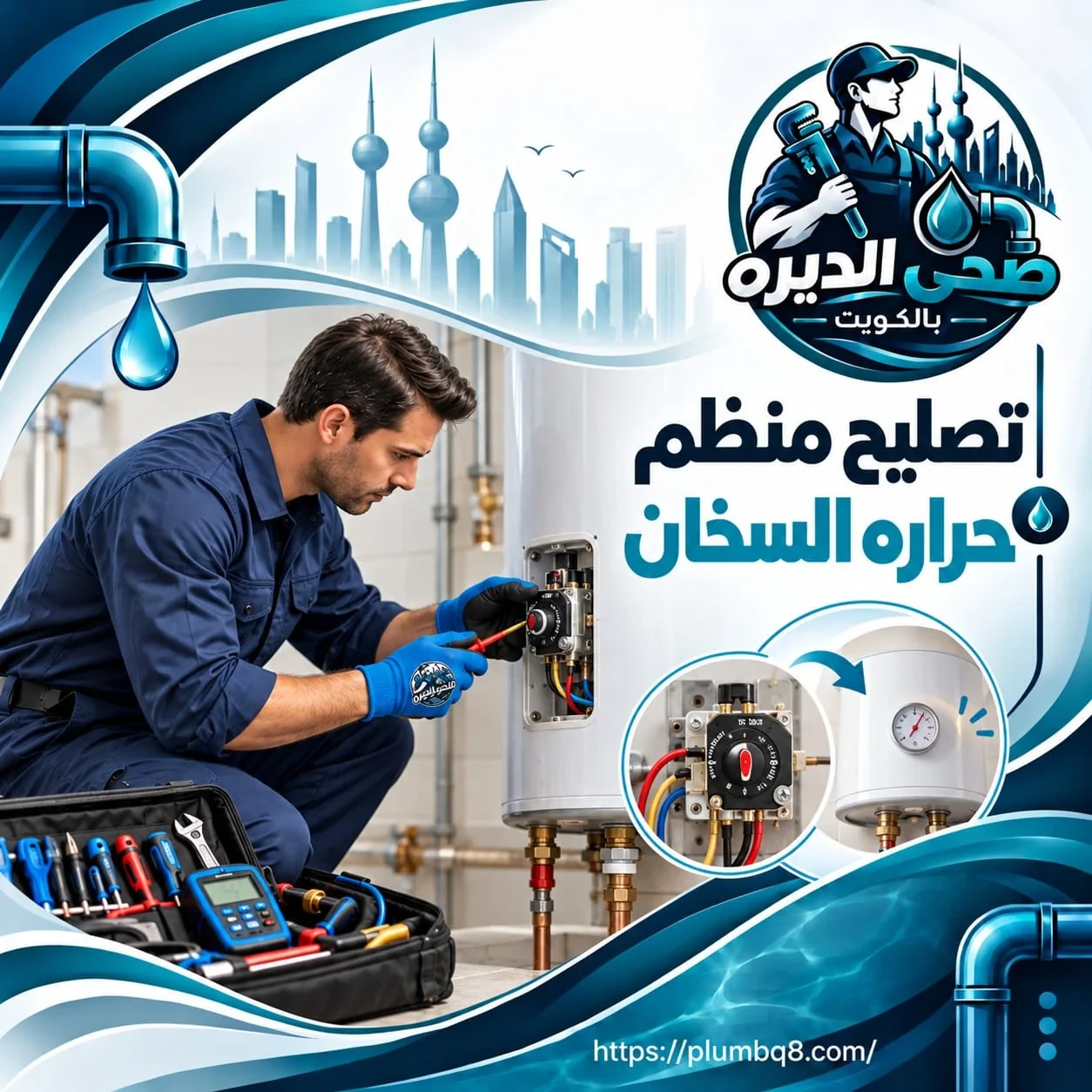
Repairing a water heater temperature controller does not always mean repairing the internal parts of the thermostat itself. Some thermostats are manufactured as units intended to be replaced when defective. In other cases, the problem may involve electrical connections, sensor positioning, or another component of the control system. The exact meaning of the repair should therefore be established before agreeing to the service.
Imagine a heater that does not respond when you change the temperature setting. The adjustment control or thermostat may be defective, but the problem could also involve a separate sensor or electronic control unit. It would be inappropriate to dismantle the component and make arbitrary adjustments before identifying the appliance's control design.
Certain temperature controllers contain calibrated mechanisms or internal components that should not be adjusted outside the manufacturer's instructions. Interfering with these parts may change how heating switches on and off and could compromise the heater's safety.
If visible heat damage appears around electrical connections, such as discolored insulation or burn marks, the cause must be investigated before a replacement component is installed. Connection damage may result from a separate problem requiring correction. Installing another thermostat without addressing that issue could allow the malfunction to recur.
Attempting to clean electrical contacts or bypass a damaged component to restore heating temporarily is another mistake. Such actions may be inappropriate or unsafe, particularly when the thermostat is designed as a sealed unit.
If the fault involves a separate temperature sensor, the appropriate repair may be to replace that compatible sensor rather than the entire control unit. However, the decision depends on testing results, appliance specifications, and component availability.
The technician should explain whether the repair involves correcting a connection, restoring a component to its proper position, or replacing the complete temperature controller. These options differ in both the work involved and the components required.
-
If the temperature controller does not respond to adjustments, ask whether the problem has been identified in the thermostat, sensor, or control unit before agreeing to a particular repair.
-
If signs of overheating or burning appear around electrical connections, replacing the thermostat alone may be insufficient because the cause of connection damage also requires inspection and correction.
-
If the thermostat is a sealed unit not designed for internal repair, do not accept arbitrary modifications to its mechanisms because they could affect temperature regulation.
-
If the heater uses a separate temperature sensor, ask about its testing results because replacing the sensor may be different from replacing the entire temperature controller.
-
After the repair, request an explanation of which component was repaired or replaced and which control tests were performed before returning the heater to normal operation.
Water Heater Thermostat Replacement Cost
The cost of replacing a water heater thermostat depends on the heater type and model, the required temperature controller, and the work needed to access, test, and install it. One price cannot accurately represent every water heater, particularly because some appliances use relatively simple mechanical thermostats while others rely on different electronic sensors and control units.
Imagine having an electric storage heater and receiving a quotation for thermostat replacement. Before agreeing, find out whether the quotation includes diagnosing the malfunction or merely installing a component you have already purchased. Replacing a part without confirming the cause could increase the total cost if the original problem continues afterward.
Replacement component availability also affects pricing. Certain thermostats may be available with specific technical characteristics, while other heaters require components with different mounting arrangements, connections, or control functions. Compatibility must be checked rather than simply choosing the cheapest available replacement.
Labor costs may also vary depending on whether the thermostat is readily accessible or whether additional protective covers and other components must be handled. Site-specific access arrangements may also affect the work. However, all internal servicing must follow appropriate electrical isolation and safety procedures.
It is important to establish whether the problem includes another component besides the thermostat. For example, if testing reveals a damaged connection or a sensor fault, the required repair and its cost may change. Any additional work should be explained before it is performed.
When comparing quotations, make sure they cover the same type of component and equivalent work. A quotation including diagnosis, replacement, and post-installation testing is different from one covering only the labor required to install a supplied component.
Purchasing a cheap thermostat with unverified compatibility merely to reduce expenses is another mistake. A component responsible for regulating temperature must match the heater's specifications. Safe temperature control should not be compromised to save money on the replacement part.
With Sehi Al Deira, you can request an assessment of water heater temperature problems in Kuwait before deciding whether thermostat replacement is necessary. Preparing the model number and describing the symptoms helps clarify the required component and repair scope.
-
If you want to know the thermostat replacement cost, prepare the heater manufacturer's name and model number because the component type and specifications influence the quotation.
-
If you receive a price quotation, confirm whether it includes fault diagnosis, the replacement component, installation, and operational testing so you understand exactly what the service covers.
-
If one proposed thermostat costs less than another, do not make the decision based on price alone because compatibility with the heater's specifications matters more than visual similarity.
-
If testing reveals an additional problem involving the sensor or electrical connections, request clarification of the additional cost before work begins instead of agreeing to unspecified component replacements.
-
After replacement, keep the new thermostat's details and the repair information so you have an accurate record if the heater requires maintenance in the future.
Conclusion
If you are considering water heater thermostat replacement because the water temperature is not properly regulated, do not rely on the visible symptom alone. Excessive temperature, insufficient heating, or premature shutdown may be related to the thermostat, but they may also result from the heating element, temperature sensor, electrical connections, or safety devices, depending on the appliance's design.
The better approach is to begin with an inspection that identifies the actual cause. A replacement component compatible with the heater model should then be selected if testing confirms that replacement is necessary. The technician should also verify the temperature-control response after installation and confirm that there are no signs of abnormal heating, while preserving all existing safety devices.
With Sehi Al Deira, you can inquire about diagnosing water heater temperature problems in Kuwait and provide the appliance type and symptoms before requesting service. This helps ensure that the replacement decision is based on diagnosis rather than replacing components through guesswork.
Frequently Asked Questions About Water Heater Thermostat Replacement
How can I tell if my water heater thermostat is faulty?
Possible signs include unstable water temperature, unusually high water temperature, or heating that stops before the required temperature is reached. However, these symptoms do not prove thermostat failure by themselves. The temperature-control system must be inspected to identify the cause.
Does excessively hot water always mean the thermostat is defective?
Not necessarily, although a thermostat fault is one possibility that requires investigation. Abnormally high water temperature calls for safely stopping use of the heater and checking the controller, sensors, and safety devices before operating it again.
Can a faulty thermostat prevent a water heater from heating?
Yes. A thermostat fault may prevent the heating element from operating correctly. However, a lack of heating can also result from electrical supply problems, heating element failure, or other components, so the cause must be confirmed before replacement.
Can I replace the water heater thermostat myself?
It is not recommended unless you have the appropriate qualifications. The work involves electrical components, verifying safe isolation of the power supply, and selecting a replacement that matches the heater's technical specifications and safety requirements.
Are all thermostats compatible with every water heater?
No. Thermostats differ in technical specifications, operating temperature ranges, mounting arrangements, and electrical connections. The replacement must be selected according to the heater model and the manufacturer's instructions rather than appearance alone.
Why does my water heater switch off before the water gets hot?
Possible causes include a temperature-control fault, activation of a safety device, a heating element problem, or an electrical supply issue. Identifying the actual cause requires inspection rather than assuming the thermostat is responsible.
Is repairing a thermostat better than replacing it?
That depends on the type of fault and component design. Some problems involve electrical connections or sensors, while a defective thermostat itself may be manufactured as a replaceable unit rather than one intended for internal repair.
Will replacing the thermostat fix fluctuating water temperature?
If testing confirms that the thermostat is responsible, replacement may resolve the problem. However, temperature fluctuations can also result from faucet mixing problems, hot-water consumption, or other heater components. Proper diagnosis is therefore necessary.
How much does water heater thermostat replacement cost in Kuwait?
The cost varies according to the heater type, model, required replacement component, and the scope of testing and installation. It is best to request a quotation explaining whether diagnosis, the component, and operational testing are included.
What should I check after a water heater thermostat is replaced?
Have the technician confirm that the temperature controller responds appropriately and that the heater warms the water and stops heating according to its design without abnormal overheating. The technician should also verify that the electrical connections and protective devices are safe and functioning correctly.
Need help from a plumber?
Related articles
 ♨️ Water Heater Repair & Service
Water Heater Not Heating? Diagnose the Fault Before Replacing Parts
 ♨️ Water Heater Repair & Service
Hot Water Flow Is Weak but Cold Water Is Fine? Where to Start
♨️ Water Heater Repair & Service