Water Heater Not Heating? Diagnose the Fault Before Replacing Parts
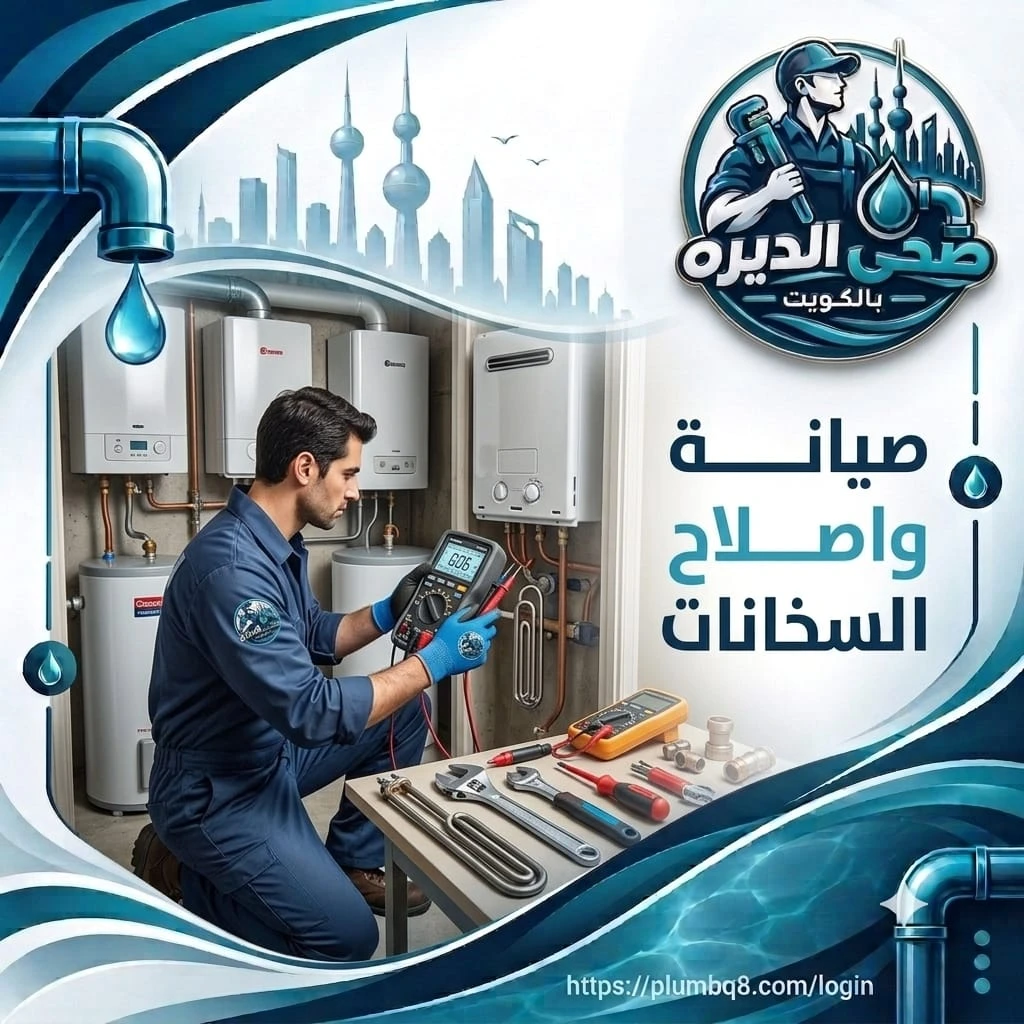
You turn on the hot water tap and wait, but the water remains cold even though the heater was working normally before. Your first thought might be that the heating element has burned out and needs replacement. However, not every water heater that stops heating has a defective element. Sometimes the problem involves the thermostat, electrical supply, or one of the safety systems. In other situations, the heater may actually be producing hot water, but that water is not reaching the faucet as expected. Replacing parts without proper testing can therefore cost money without solving the problem. This article explains how to begin inspecting a water heater that is not heating, how to distinguish between different faults, and when a qualified technician should identify the cause before repairs begin.
Water Heater Not Heating Water

When you notice that your water heater is not heating water, the first thing to establish is the nature of the problem. Is the water completely cold at every faucet? Does it become slightly warm before turning cold again? Or did the heater suddenly stop producing hot water after operating normally? These details are more than a description of the symptoms because they help determine whether the problem concerns heat production or the delivery of hot water to the outlets.
If you have an electric storage water heater, it relies on heating elements and a temperature-control system, although the exact components vary according to the appliance's design. It would therefore be incorrect to assume that the heating element or thermostat is defective simply because the water is not getting hot. The technician should first verify the operating conditions, electrical supply, and safety systems before identifying the damaged component.
Consider a practical example: a homeowner notices that the bathroom water is cold, but hot water is available from the kitchen sink. In this situation, it would be incorrect to conclude that the heater has completely stopped heating because hot water reaching another outlet changes the direction of the diagnosis. Depending on the plumbing arrangement, the problem could involve the bathroom mixer, water distribution, or the way hot and cold water are combined.
However, if every outlet connected to the same heater delivers cold water, the technician should focus on the appliance's heating performance and operating conditions. It is still important to confirm that the affected outlets are actually supplied by the same heater. Some homes have several heaters or separate distribution systems, so the appliance responsible for the affected area must be identified.
Another mistake is repeatedly switching the heater on and off or raising the temperature setting to its maximum in the hope that the problem will disappear. If an electrical fault or control malfunction exists, these actions will not correct the underlying cause and may increase risks in certain situations.
If you notice a burning smell, unusual heat around the connections, or repeated circuit breaker trips, do not attempt to open the heater cover or test its wiring yourself. The appliance should be disconnected using a safe isolation method if this can be done safely, and electrical inspection should be left to a qualified technician.
-
If the water is cold at every faucet connected to the heater, the technician should establish whether the appliance itself has stopped heating before purchasing a heating element or thermostat because several different components can cause the same symptom.
-
If hot water is available in the kitchen but the bathroom water remains cold, the water distribution system and affected mixer should be examined because normal heating at another outlet may indicate that the heater is still producing hot water.
-
If the heater produces some warm water but the temperature drops quickly, record when the problem occurs and the conditions of use because this symptom requires a different investigation from a complete loss of heating.
-
If heating stopped after a power outage or maintenance work, tell the technician when it happened and what occurred beforehand so the operating conditions can be reviewed instead of immediately assuming that the heating element has failed.
-
If there is a burning smell, unusual heat, or repeated circuit breaker tripping, do not open the heater or handle its wiring because the problem may involve electrical safety and requires inspection by a qualified professional.
Water Heater Not Working in Kuwait
When a water heater is not working in Kuwait, it is important to distinguish between an appliance that does not respond to being switched on and one that appears to operate but does not produce heat. Both situations can leave you with cold water, but the diagnostic procedures are different. Describing the symptoms accurately helps make the inspection more efficient and reduces the likelihood of replacing components that are still functioning correctly.
If the heater shows no indication of operation, the technician needs to check whether the electrical supply is reaching the appliance using safe procedures appropriate to its design. The problem may involve the circuit breaker, isolation switch, wiring connections, or an internal component. However, the absence of an illuminated indicator does not conclusively prove that electricity is unavailable because the indicator itself may fail on certain models.
If the power indicator is illuminated, that does not necessarily prove that the heating element is operating. Some indicators only show that electrical power is available or that a particular operating condition has been detected. Their meaning depends on the heater's design, so the function of the indicator must be understood before it is used to diagnose a fault.
Suppose a heater stops working after a period during which its circuit breaker repeatedly tripped. In that situation, replacing the heating element immediately would be inappropriate without identifying the reason for the tripping. The problem could involve an electrical fault, insulation failure, an unsuitable electrical load, or another circuit component. Repeatedly resetting the breaker without addressing the cause is not safe.
The heater's installation location is another relevant factor. It may be installed in a bathroom, utility room, or another area exposed to moisture. The surrounding environment can affect electrical connections over time if installation or protection is inadequate. Nevertheless, the presence of nearby moisture does not prove that it caused the malfunction.
Inspection methods also vary according to whether the appliance is a storage heater, tankless heater, or part of a central hot water system. A tankless heater may require a suitable water flow rate before heating begins, while a storage heater heats and stores water according to its temperature-control system.
Repair costs cannot be determined from the statement that a heater is not working. Correcting an electrical supply problem is different from replacing an internal component or repairing damaged wiring. The confirmed fault and required parts should therefore be established before approving the repair.
-
If the heater shows no indication of operation, the electrical supply and control components appropriate to the model should be checked rather than assuming that an unlit indicator means the heating element has failed.
-
If the heater indicator is illuminated but the water remains cold, its function must be understood because a light does not prove that the heating element is receiving power or producing heat.
-
If the circuit breaker trips whenever the heater is switched on, do not repeatedly reset it because the cause may involve an electrical fault that must be identified before the appliance is returned to service.
-
If the appliance is a tankless heater, the technician should consider its operating requirements and minimum water flow conditions because its response differs from that of a conventional storage heater.
-
If you request a repair quotation for a heater that has stopped working, provide the appliance type and symptoms and establish whether the price includes diagnosis, replacement parts, and installation because the actual damaged component determines the cost.
Causes of a Water Heater Not Heating
Identifying the cause of a water heater not heating requires an organized inspection that distinguishes between three main possibilities. The energy needed for heating may not be reaching the responsible component, the control system may be preventing operation because of a fault or protective condition, or the heating element itself may not be functioning despite the required operating conditions being available. All three possibilities can produce cold water, but they are not the same fault.
In electric storage water heaters, the thermostat regulates heating according to the selected temperature, while the heating element converts electrical energy into heat. If either component stops performing its function, heating may be affected. However, some appliances contain multiple elements or additional protective devices, so the diagnostic process must match the actual model design.
Suppose a heater previously produced hot water normally but gradually began delivering only lukewarm water, even after a suitable heating period. This situation differs from an appliance that produces no heat at all. The technician may need to evaluate heating performance, temperature control, water consumption, and mixing conditions. Not every reduction in temperature means the heating element has completely burned out.
In another situation, the heater stops heating entirely after repeated electrical interruptions. The technician should then verify the condition of the circuit and protective components before testing or replacing the heating element. Installing a new element without identifying the reason for the electrical interruption may allow the original problem to return.
Another common mistake is judging whether a component is functional solely by its appearance. Certain heating element and thermostat faults are not visible externally. Appropriate electrical tests may be required, performed by a qualified technician after isolating the power and following the necessary safety procedures.
It is also possible for the heater to produce heat normally while the user experiences insufficient hot water because of inappropriate mixing at a faucet or rapid consumption of the stored hot water. Understanding the heating period, usage volume, and exact symptoms therefore helps prevent an incorrect diagnosis.
Any decision to replace a component should be supported by a test result demonstrating which part has failed, rather than by the fact that a particular fault is common in certain water heaters.
-
If the heater delivers lukewarm rather than hot water, operating conditions, heating time, and temperature controls should be evaluated before concluding that the heating element has completely failed.
-
If the appliance has stopped heating entirely, the technician needs to distinguish between a lack of electrical energy reaching the heating circuit and a defect in the component responsible for producing heat.
-
If the heater contains more than one heating element or safety device, its actual design must be considered because testing one component may not be sufficient to determine the condition of the entire heating system.
-
If a component looks undamaged from the outside, that does not prove it is electrically functional because certain faults require appropriate measurements performed by a qualified professional after the appliance has been made safe.
-
If the technician recommends replacing the heating element or thermostat, ask which test result confirmed the fault so the repair addresses the actual cause rather than relying on guesswork.
Technician for Inspecting a Water Heater That Does Not Heat
When you need a technician to inspect a water heater that does not heat, the important consideration is not simply whether the technician can replace a heating element or thermostat. They should be able to identify why the appliance stopped producing heat before removing any component. An electric water heater contains interconnected parts, and sometimes the apparent problem involves one component while the underlying cause lies elsewhere in the operating circuit.
An organized inspection begins by identifying the heater type, model, capacity, and operating method. The technician then reviews the symptoms that appeared before heating stopped. Had the appliance been switching off intermittently? Did the water become lukewarm before turning completely cold? Did the problem begin suddenly after electrical work? These answers help determine which tests are appropriate rather than treating every heater in exactly the same way.
It is also important to distinguish between inspecting the heater's internal components and checking the external electrical connections supplying it. If the power supply is unstable or a connection is damaged, replacing the heating element will not correct the problem. Similarly, a malfunction in the control system may prevent power from reaching the element even when the element itself is in good condition.
Suppose a homeowner calls and specifically requests a new heating element because the water has become cold. During the inspection, the technician discovers that the appliance is not responding to its controls as expected. The correct approach is to investigate the power supply and control conditions before accepting the homeowner's requested replacement as the final diagnosis. Describing a symptom is not the same as identifying a defective component.
A competent technician should also explain what was tested and which result justified repairing or replacing a particular part. The homeowner does not need a complicated electrical explanation, but should understand whether the component has been confirmed defective or whether additional testing is required.
Replacement parts must also be compatible with the heater model and specifications. Installing an unsuitable component can cause poor performance or safety problems even if it physically fits in the same position.
Regarding costs, it is preferable to distinguish between the inspection fee, replacement component price, and installation labor, particularly when several procedures are required. If the appliance is in poor overall condition, the technician may also discuss whether repairing it is economically sensible compared with replacement.
-
When requesting a technician for a heater that has stopped heating, provide the appliance type, model, and symptoms that occurred before the fault so the inspection is based on useful information rather than assuming that the heating element has burned out.
-
If a technician immediately recommends replacing a component, ask which test confirmed its failure because cold water alone does not identify the internal part responsible for the problem.
-
If the heater trips the circuit breaker or shows signs of unusual overheating, choose a professional qualified to investigate electrical faults rather than someone who only replaces components without evaluating safety.
-
If a replacement part is required, its compatibility with the model and electrical specifications must be confirmed because two components that look similar are not necessarily suitable for the same heater.
-
If the repair cost is high compared with the appliance's age and overall condition, discuss whether repairing it is worthwhile before work begins so the decision reflects the heater's actual condition rather than the price of one component alone.
Water Heater Is On but the Water Is Cold
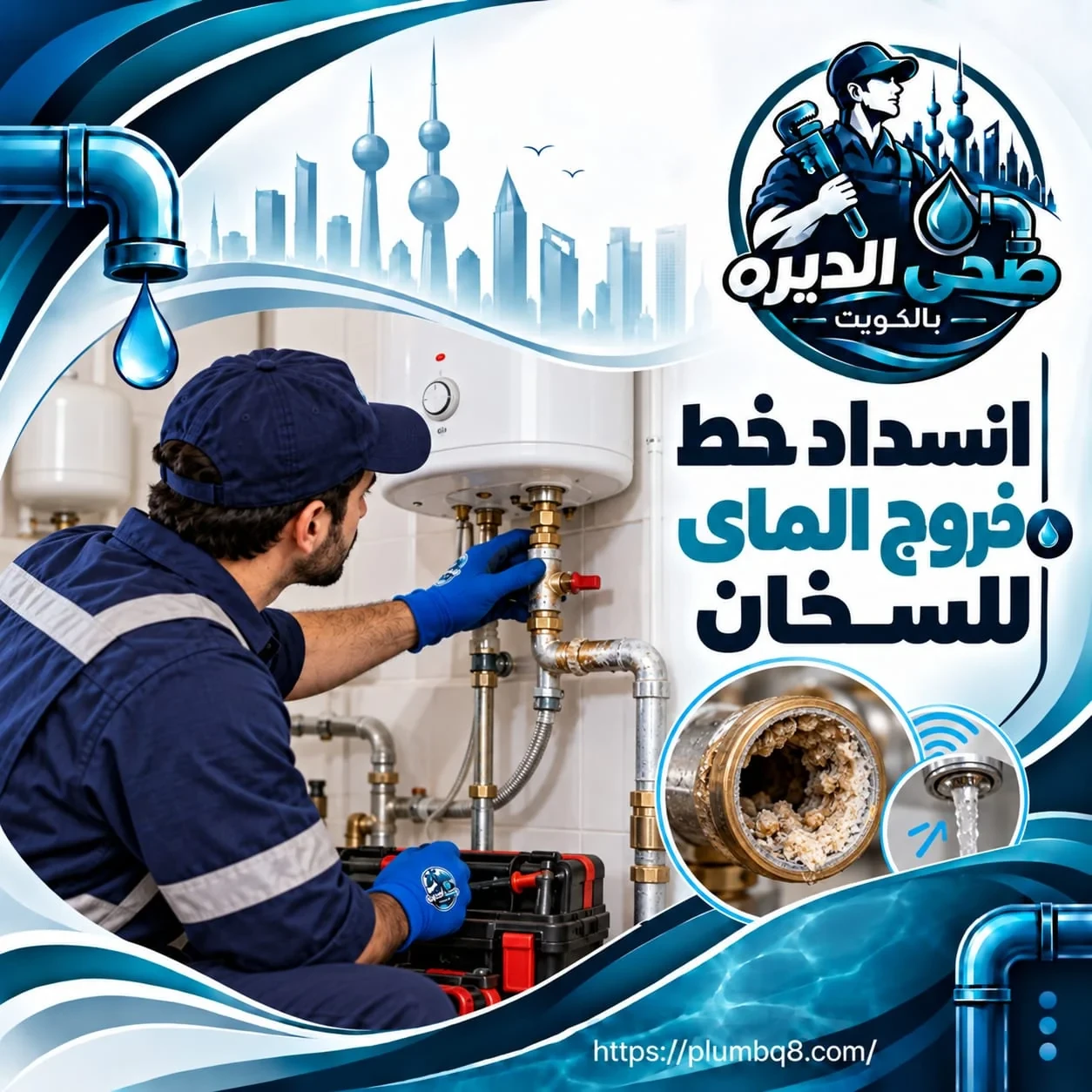
The situation where the water heater is on but the water is cold can be confusing because the homeowner sees an illuminated indicator or hears a sound from the appliance and assumes that heating is taking place. However, an indicator light or another visible sign of operation does not necessarily mean that the water inside the heater has reached the required temperature.
The first thing to establish is what the homeowner means by saying the heater is working. Is it simply connected to electricity? Is the heating indicator illuminated? Did the appliance previously deliver hot water before the problem appeared? These details distinguish an appliance receiving electrical power from one that is actually producing heat, especially because indicator functions vary between models.
In some heaters, the control circuit may display an operating status while the heating element is not functioning because of a fault. In other situations, the water inside the tank may be hot, but the water reaching the user is cold or lukewarm because of a mixing or distribution problem.
Consider a heater installed in a utility room that supplies two bathrooms. The homeowner notices that the indicator light is illuminated, but the first bathroom shower produces cold water while the second bathroom sink provides hot water. In this situation, the presence of hot water at one outlet makes it reasonable to inspect the affected bathroom's mixer or water distribution before assuming that the heater has stopped heating.
If every outlet connected to the appliance produces cold water after an appropriate operating period, the investigation should focus on heating performance and the control and protective components according to the appliance's design. Nevertheless, the color of an indicator light or a sound coming from the heater cannot identify the defective component by itself.
Some water heaters also require time to heat the water stored inside the tank, particularly after a large amount of hot water has been consumed or the appliance has just been switched on again. However, simply waiting is not an appropriate solution if the problem continues abnormally.
Do not attempt to check tank temperature by touching metal components or disconnecting fittings. Certain surfaces and water inside the appliance may be hot even when cold water is coming from the faucet. Internal inspection must be performed by a qualified technician after the appliance has been made safe.
-
If the heater indicator is illuminated but the water is cold, do not treat the light as proof that the heating element is functional because it may indicate electrical supply or a particular operating status depending on the appliance's design.
-
If hot water is available at one faucet but another produces cold water, the affected mixer and water distribution route should be examined because the heater may still be generating heat normally.
-
If a large volume of hot water was consumed before the problem appeared, the recovery time appropriate to the heater's capacity should be considered before treating a temporary temperature reduction as a confirmed fault.
-
If the water remains cold at every outlet after a suitable heating period, the technician needs to evaluate the heating and control circuits rather than relying on the fact that the appliance appears to receive electricity.
-
If the heater shows unusual operating signs while the water remains cold, do not open its cover or touch its connections because some electrical faults require specialized testing and appropriate safety procedures.
Diagnosing Water Heating Problems
Diagnosing water heating problems depends on arranging tests according to the symptoms rather than beginning by replacing the components that fail most frequently. A heater may stop producing heat because of an electrical supply problem, a control malfunction, a defective heating element, or a protective system. Each possibility requires evidence that distinguishes it from the others.
The basic principle of diagnosis is to treat the appliance as an integrated system. Electrical energy must be available under suitable conditions, the control and protective components must permit safe operation, and the heating element must be capable of performing its function. If any part of this sequence fails, the result may be cold water even when the remaining components are working correctly.
Electrical tests must not be performed randomly or by someone without the necessary qualifications. Assessing circuits and components requires suitable instruments, knowledge of the heater's design, and procedures for isolation and verification that electrical power has been disconnected. Some tests may also require special precautions according to the manufacturer's instructions.
Suppose a heater stops producing hot water after a period during which the water temperature had gradually declined. This history helps the technician understand how the problem developed, but it does not identify the defective component by itself. The symptoms must be compared with actual test results to determine whether the problem concerns heating performance, temperature control, or usage conditions.
In another case, the heater stops suddenly without any previous warning signs. The technician may then need to examine protective devices and power supply conditions before moving on to internal heating components because sudden failure can have several causes.
Relying on a diagnosis provided over the phone as a final conclusion is another mistake. A description can help identify possibilities, but it cannot replace an appropriate physical inspection, particularly when repairs involve electricity or hot water.
The technician should also explain whether the diagnosis is confirmed or whether several possibilities remain under investigation. This clarity helps homeowners understand the reason for a repair and reduces disputes over components that were replaced without being responsible for the fault.
-
If a heater stops heating, the technician should begin by evaluating the operating sequence, electrical supply, and controls rather than immediately replacing the heating element.
-
If the problem recurs after particular operating periods, describe when the shutdown occurs and what conditions accompany it because this information may help determine which tests are most relevant.
-
If electrical measurements are necessary, they must be performed by a qualified professional using suitable instruments and proper isolation and safety procedures rather than experimenting with connections or components.
-
If the test results are inconclusive, the additional checks required should be explained instead of replacing several components in the hope that one of them solves the problem.
-
Once the fault has been identified, the affected component and reason for the repair should be documented in understandable terms so the homeowner knows what was corrected and what may require further attention.
Testing the Water Heater Element Before Replacing It
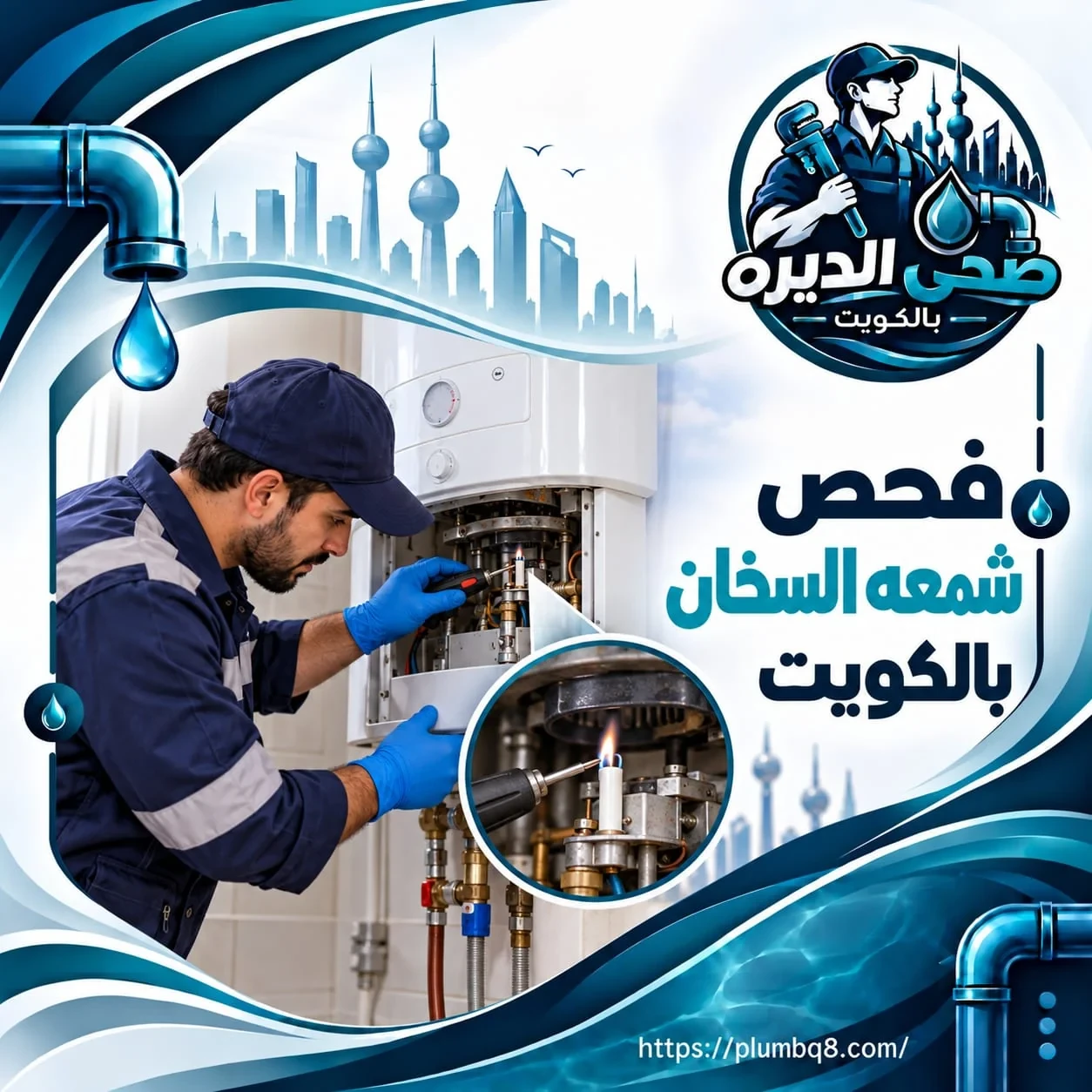
Testing the water heater element before replacing it is important because the heating element is often the first component homeowners suspect when the water becomes cold. However, the element may be perfectly functional while another fault prevents electrical power from reaching it. Replacing it without testing may therefore create an unnecessary expense without correcting the problem.
The heating element in an electric water heater converts electrical energy into heat, which is transferred to the water according to the appliance's design. If the element develops an internal fault or a condition affecting its ability to heat, performance may decline or stop entirely. However, these problems are not always visible from the outside, so appropriate testing is necessary to confirm its condition.
Some water heaters also contain more than one heating element, and the way those elements operate varies according to the appliance's design. Testing one element may therefore be insufficient to determine the condition of the entire heating system.
Suppose a homeowner purchases a new heating element after noticing that the water has become cold, but the problem remains after installation. This example illustrates why the technician must verify the conditions required for the element to operate and assess the control components before approving replacement. A new element cannot perform its function if another fault prevents it from operating.
If the element is confirmed defective, the replacement must match the heater's specifications. Electrical power rating, dimensions, mounting arrangement, and insulation requirements can differ between models. A component should not be selected merely because it resembles the old one.
Regarding costs, the price of the heating element itself does not necessarily represent the total repair expense. Depending on the heater's design, the work may involve draining water, removing appliance components, or replacing suitable sealing parts. After installation, the technician must verify the connections and check for leakage.
Most importantly, testing or replacing a heating element is not a simple household task. A water heater combines electricity, water, and heat, so this work should be performed by a qualified technician following the appliance's instructions and appropriate safety procedures.
-
If you suspect that the heating element has burned out, do not purchase a replacement before testing it because the loss of heating may result from a control or electrical supply problem.
-
If the heater contains multiple heating elements, their operating arrangement and the relevant components must be examined according to the appliance's design rather than assuming that one element explains every temperature problem.
-
If an element is confirmed defective, the replacement must be compatible with the heater model and its electrical and mechanical specifications because physical similarity does not guarantee suitability.
-
If replacement requires opening water-connected components, pressure, electricity, and heat must be safely addressed, and the connections must be properly sealed before the appliance is returned to service.
-
After a new heating element is installed, heating performance, connection integrity, and possible leakage should be checked rather than treating completion of installation as sufficient proof that the repair has succeeded.
Electric Water Heater Fault: No Hot Water
An electric water heater fault causing no hot water requires particular attention because the problem may involve electrical components operating close to water. Not every inspection is suitable for a homeowner to attempt, especially if the heater trips a circuit breaker, produces an unusual smell, or shows visible damage around its connections.
One important warning sign is a heater that previously operated normally but begins tripping the electrical supply when switched on. This symptom is different from simply receiving cold water because it may indicate an electrical problem requiring investigation before the appliance can be used again. Repeatedly resetting the breaker without establishing the cause is not a safe diagnostic method.
Unusual heating or discoloration around the heater switch or electrical connections also requires qualified inspection. However, the visible sign alone should not be used to identify the exact cause because more than one circuit component may be affected.
Suppose a heater stops producing hot water and its circuit breaker begins tripping after several minutes of operation. The immediate priority is not replacing the heating element. Instead, the appliance must be made safe and the cause of the electrical interruption investigated using appropriate procedures. Returning the heater to service before correcting the problem may expose users to danger.
Some water heaters also contain thermal protective devices that interrupt operation under abnormal conditions. The way these devices function varies between models. They must not be bypassed or disabled simply to restore heating temporarily.
If the fault involves a connection, the technician needs to evaluate its condition and the extent of any associated damage before repairing it. If an internal component is confirmed defective, the replacement must meet the appliance's requirements rather than using an unsuitable alternative.
The heater's location and connections must also be appropriate for the operating environment, especially in damp areas. Nevertheless, assessing installation safety requires an actual inspection; the appliance's location alone does not establish whether it is safe.
-
If the heater trips the circuit breaker when switched on, do not repeatedly reset it because the cause may be an electrical fault requiring qualified inspection before the appliance is used again.
-
If you notice a burning smell or discoloration around the switch or wiring connections, stop using the heater and make it safe rather than attempting to open the cover or repair the wiring yourself.
-
If heating stops because a protective device has operated, the reason for its activation must be identified before restarting the appliance, and safety components must never be bypassed to obtain temporary hot water.
-
If an electrical component is confirmed defective, a replacement compatible with the heater's specifications must be used because unsuitable parts can affect both operation and safety.
-
After repairs are completed, safe operation, protective functions, and electrical connections must be verified through appropriate checks rather than relying solely on the fact that the water becomes hot again.
Identifying Why a Water Heater Stopped Heating
Identifying why a water heater stopped heating depends heavily on understanding what changed before the problem appeared. A heater that suddenly stops working after years of normal operation is different from a newly installed heater that has never reached the expected temperature. Both are also different from an appliance that provides hot water briefly before turning cold.
It is important to establish whether the loss of heating is complete or partial. A complete loss means the water does not reach the expected temperature despite suitable operating conditions. A partial problem may appear as slow heating or a smaller amount of hot water than usual. This distinction helps direct the investigation, but it does not independently identify the defective component.
Suppose a homeowner installs a new heater and notices that the water does not become sufficiently hot after switching it on. Before concluding that the appliance is defective, the technician should review the installation, operating conditions, and settings according to the model's instructions. They should also confirm that water is reaching the outlets through the intended route.
In another situation, an older heater that had been operating normally suddenly stops after an electrical interruption. The inspection should then review power supply and protective conditions before moving on to replacing heating components.
It is also useful to know whether the problem appears at a particular time or after a large amount of hot water has been consumed. Some storage heaters require time to reheat the tank after use, and performance may vary according to tank capacity, incoming water temperature, and consumption rate.
If hot water reaches some outlets while others remain cold, the technician may need to examine the distribution system or mixers instead of restricting the inspection to the heater. Identifying the source requires establishing whether the fault concerns heat production or the delivery of hot water to the user.
Choosing a repair solely according to the appliance's age is another mistake. An old heater does not automatically require complete replacement, and a new heater is not necessarily free from defects. The decision should reflect inspection findings, component condition, and the practicality of repair.
-
If the heater suddenly stops heating after normal operation, record when the problem began and any electrical changes or maintenance work that preceded it because these details help organize the inspection.
-
If a newly installed heater does not produce adequate hot water, operating requirements, installation conditions, and settings should be reviewed before assuming that an internal component is defective.
-
If the heater produces hot water but it becomes cold after substantial use, tank capacity, reheating time, and consumption conditions should be evaluated rather than treating every temporary temperature reduction as a malfunction.
-
If hot water is available at only some outlets, the technician may need to examine distribution and mixing arrangements because the problem does not necessarily involve the heater's ability to produce heat.
-
If the heater is old, its overall condition and the cost of repairing the confirmed fault should be assessed before deciding on complete replacement because age alone does not determine whether repair is worthwhile.
Water Heater Repair Without Unnecessary Parts Replacement
Water heater repair without unnecessary parts replacement means that every repair decision is connected to a fault that has been verified. It does not mean replacing the heating element, then the thermostat, and then additional components until the appliance eventually starts working. That trial-and-error approach can increase costs, waste time, and, more importantly, leave the original cause unresolved.
Proper repair begins by identifying the component responsible for the loss of heating and then evaluating whether it can be repaired appropriately or requires replacement. Some problems involve electrical connections or control components, while others concern the heating element itself. No component should be declared defective simply because it is commonly associated with heater failures.
The technician should also distinguish between components that have actually failed and additional parts recommended because of the appliance's condition. If more than one component requires attention, each proposed action should have a clear justification rather than being an unnecessary precautionary replacement.
Suppose a homeowner pays to replace a heating element, but the problem returns two days later. This does not necessarily mean that the new element is defective. The original fault may involve another component or operating conditions that were not adequately evaluated. Diagnosis before repair and appropriate testing afterward are therefore important for reducing the likelihood of repeated problems.
Regarding prices, repair quotations should be compared according to the work included, not simply by selecting the lowest figure. A quotation covering fault diagnosis, a compatible replacement component, installation, and post-repair testing differs from one that only covers replacing a part selected by the homeowner without diagnosis.
If the repair cost is high because of the heater's condition or several faults, it may be more sensible to discuss the value of repairing it compared with replacing the appliance. However, that decision should be based on an assessment of the actual condition and repair costs, not the assumption that every old heater must be replaced.
With Sehi Al Deira, you can request an inspection of a water heater that is not heating and discuss the reason for the loss of heat before selecting replacement parts. The main advantage of this approach is that repair decisions are based on diagnostic findings and the appliance's condition rather than purchasing components that may not be responsible for the problem.
-
When requesting repair for a water heater that does not heat, the fault should be identified before replacement parts are purchased because changing the heating element or thermostat through guesswork can increase costs without solving the problem.
-
If the appliance requires more than one replacement component, ask why each part needs changing and which inspection result supports that decision rather than approving several replacements without an explanation.
-
When comparing maintenance quotations, review whether the price includes diagnosis, the replacement component, installation, and operating tests because the cheapest quotation may not cover the same work.
-
If the fault returns after an earlier repair, the original diagnosis and repair results should be reviewed rather than immediately assuming that the newly installed component has failed.
-
If the heater's overall condition has deteriorated, comparing the value of repair and replacement based on actual inspection findings and costs is more appropriate than making the decision solely according to the appliance's age.
Conclusion
If your water heater is not heating water, it does not necessarily mean that the heating element has burned out or that the entire appliance needs replacement. The cause may involve the electrical supply, thermostat, or a protective device. Sometimes the heater is still producing heat, but the problem lies in delivering hot water to the faucet.
For this reason, it is better not to begin by purchasing replacement components or attempting to open the heater yourself. Establish what changed in its operation, whether the water is cold at every outlet or only some, and whether the circuit breaker trips or unusual warning signs appear. This information helps the technician select the appropriate inspection before beginning repairs.
With Sehi Al Deira, you can request an inspection of a water heater that is not heating in Kuwait and identify the likely cause before replacing the heating element, thermostat, or any other component. The objective is to base the repair on a clearly identified fault while considering the safety of the appliance and its connections, rather than paying for parts that are not needed.
Frequently Asked Questions About Water Heaters Not Heating
Why is my water heater not heating even though it worked normally before?
Possible causes include a problem with the electrical supply, control components, heating element, or one of the protective systems. Identifying the cause requires reviewing the symptoms and inspecting the appliance appropriately rather than immediately assuming that the heating element has failed.
Does an illuminated water heater indicator mean the heating element is working?
No. The indicator's function varies according to the model. It may show that electrical power is available or indicate a particular operating condition without proving that the heating element is functioning normally.
Do I need to replace the heating element if the water is cold?
Not necessarily. The element must be tested, and the conditions required for its operation must be verified before replacement. The problem may involve the thermostat, electrical supply circuit, or another component.
What is the difference between a faulty heating element and a faulty thermostat?
The heating element produces heat, while the thermostat regulates heating according to the water temperature. A failure in either component can affect hot water production, but distinguishing between them requires appropriate testing.
Why is my water heater on but the bathroom water is cold?
If hot water is available normally at other outlets connected to the same heater, the problem may involve the bathroom mixer or water distribution. The outlets should be compared before concluding that the heater has stopped producing heat.
Can a tripping circuit breaker cause the water heater to stop heating?
Yes. Repeated breaker tripping may indicate an electrical problem requiring qualified inspection. Do not repeatedly reset the breaker before the cause is identified, especially if it trips whenever the heater is switched on.
Can a newly installed water heater fail to heat because of installation problems?
Yes. Some problems involve connections, operating conditions, or unsuitable settings. The installation and model requirements should therefore be reviewed before concluding that the appliance itself is defective.
How much does it cost to repair a water heater that does not heat in Kuwait?
The cost varies according to the heater type, confirmed fault, required parts, and labor. Investigating an electrical supply problem differs from replacing a heating element or repairing internal components. The cause should therefore be established before requesting a final repair price.
Can I test the water heater element myself?
Opening the heater or testing its electrical components without appropriate qualifications is not recommended because the appliance combines electricity, water, and heat. Internal inspection requires suitable instruments and safety procedures performed by a qualified professional.
When is replacing the water heater better than repairing it?
The decision depends on the appliance's overall condition, the nature of the fault, repair costs, and the availability of compatible replacement parts. Not every old heater needs replacement, but if several faults exist or repair is no longer practical, replacement may be worth considering.
Need help from a plumber?
Related articles
 ♨️ Water Heater Repair & Service
Hot Water Flow Is Weak but Cold Water Is Fine? Where to Start
♨️ Water Heater Repair & Service
Water Heater Maintenance Before Winter: What Does It Include?
 ♨️ Water Heater Leak Repair