Hot Water Flow Is Weak but Cold Water Is Fine? Where to Start
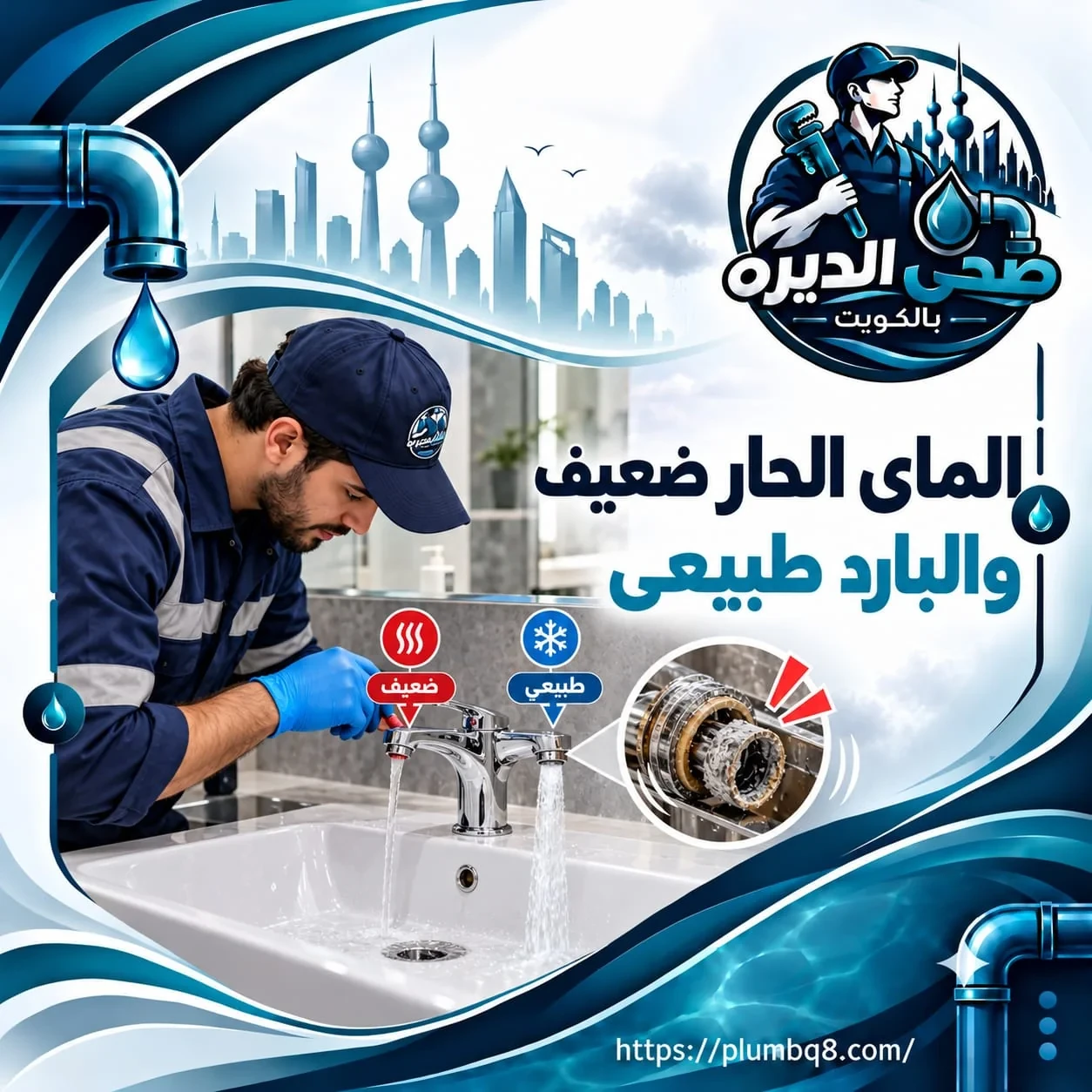
You turn on the bathroom faucet, and cold water flows strongly. But as soon as you switch to hot water, the flow becomes noticeably weaker. Does this mean the water heater is faulty? Not necessarily. The difference between hot and cold water flow may indicate a restriction somewhere in the hot water supply line, a problem with a valve, a faucet, or one of the water heater connections. More importantly, weak water flow is different from water that does not heat sufficiently. Before replacing the heater or installing a new booster pump, you need to establish whether the problem affects just one faucet or every hot water outlet. This article explains where the inspection should begin, how to distinguish between possible causes, and when a plumbing technician should examine the system before choosing a repair.
Hot Water Flow Is Weak but Cold Water Is Strong

If hot water flow is weak but cold water is strong, the first step is not to assume that the water heater is defective. Instead, compare the flow from the same faucet when it is set to hot and cold. This comparison matters because the two water supplies follow different routes before reaching the outlet. The main water pressure may be adequate while hot water flow is restricted by an obstruction in a particular part of the system.
Start by checking whether the problem occurs in more than one location. Test the bathroom sink faucet, shower, and kitchen faucet if they are connected to the same hot water system. If hot water flow is weak at all these outlets, the inspection should focus on shared components, such as the heater's inlet supply, outlet connection, or main hot water distribution line. However, if the problem affects only one faucet, the components serving that particular outlet should be examined before moving on to the heater.
Consider a practical example: hot water flows slowly from the bathroom shower, but the nearby sink faucet provides normal hot water flow. In this situation, it would be incorrect to assume that the heater is directly responsible because it can deliver hot water normally to another outlet. The inspection should focus on the shower mixer and its local supply route while accounting for differences between the two fixtures.
A common mistake is installing a more powerful booster pump as soon as weak hot water flow becomes noticeable. If the actual cause is a restriction or a valve that is not fully open, increasing the supply pressure will not address the underlying problem. It may also place additional stress on components if they are not suitable for the higher pressure.
You should also observe whether the problem appeared suddenly or developed gradually. A sudden change following maintenance or valve operation makes it important to inspect the components that were recently handled. A gradual reduction, on the other hand, may direct attention toward deposits or restrictions that develop over time.
It is equally important to distinguish between water quantity and temperature. Hot water may flow slowly while still reaching its normal temperature. In that case, the main issue concerns flow. If the amount of water is normal but its temperature is too low, a different diagnostic approach is required.
-
If hot water flow is weak at every faucet while cold water flow remains normal, the inspection should begin with shared components of the hot water network rather than replacing several faucets without evidence that they are defective.
-
If the problem affects only one shower, compare its hot water flow with the nearby bathroom sink because differences between the two outlets can help determine whether the fault is local or related to their shared supply.
-
If the weakness appeared immediately after water heater maintenance or a valve was closed, check the valves and connections involved in that work before assuming that an old blockage exists inside the pipes.
-
If hot water flow is weak but its temperature is normal, do not confuse a water flow problem with a heating problem because changing temperature settings will not remove an obstruction inside the supply line.
-
If you are considering installing a booster pump to increase flow, the cause of the weak hot water supply should be established first because a restriction or blockage requires an appropriate repair rather than simply applying additional pressure.
Low Hot Water Pressure
Many homeowners use the expression low hot water pressure when they notice that less water than usual is coming out of a faucet. Technically, however, pressure and flow are different. Pressure is the force available to move water through the plumbing system, while flow is the volume of water passing through it over a particular period. Pressure may still be present inside a pipe even when flow is weak because a component is restricting the water's passage.
This distinction matters because the inspection methods are different. If hot water flow is weak, the problem is not necessarily inadequate pressure at the supply source. Sometimes excessive resistance develops inside a valve, fitting, or section of the distribution line, reducing the volume of water reaching the faucet even though the main supply conditions are adequate.
One useful observation is whether hot water flow changes when several hot water outlets are used simultaneously. For example, if the flow is acceptable from one faucet but becomes much weaker when another shower is opened, the technician may need to assess the system's capacity to deliver the required volume and inspect shared components through which the water passes.
However, this observation alone does not prove that a blockage exists. Pipe diameter, pipe length, distribution layout, and the number of outlets operating simultaneously all influence the available flow, particularly when the system was designed to serve a particular number of fixtures.
Suppose a homeowner complains that hot water flow is weak when two bathrooms are used at the same time, but each bathroom performs better when used independently. The inspection should assess the shared distribution network and establish whether the reduced flow is consistent with the system's design or caused by an unusual restriction in one of its components.
Some faucets also contain mechanisms that regulate flow or mix hot and cold water, and their condition may affect the amount of water delivered. Measuring pressure at an appropriate point, when the plumbing arrangement permits it, may therefore help the technician distinguish between inadequate pressure and flow resistance. The measurement must still be interpreted in relation to the operating conditions.
Regarding costs, there is no fixed price for correcting weak hot water flow before the cause is identified. Inspecting a faucet or valve is different from repairing a restriction in a concealed pipe or replacing part of the distribution system. It is therefore better to agree on the inspection steps before deciding on the repair.
-
If someone in the household describes the problem as low pressure, clarify whether they mean a reduced volume of water or a change in the strength of the stream because this detail helps the technician select the appropriate inspection method.
-
If hot water flow becomes significantly weaker when several faucets are opened, the technician should assess the shared distribution route and compare flow under different usage conditions rather than relying on a single-outlet test.
-
If the measured pressure is adequate but the volume of water coming out is low, there may be a restriction or excessive resistance somewhere in the route, requiring its location to be identified rather than increasing system pressure randomly.
-
If the system contains faucets that regulate water volume, their effect must be considered when comparing flow because differences in faucet design may create a misleading impression of the pipes' condition.
-
If you request a repair quotation, establish whether the cost covers pressure and flow diagnosis only or also includes replacement of particular components because the actual fault determines the work required.
Causes of Weak Hot Water Flow From the Water Heater
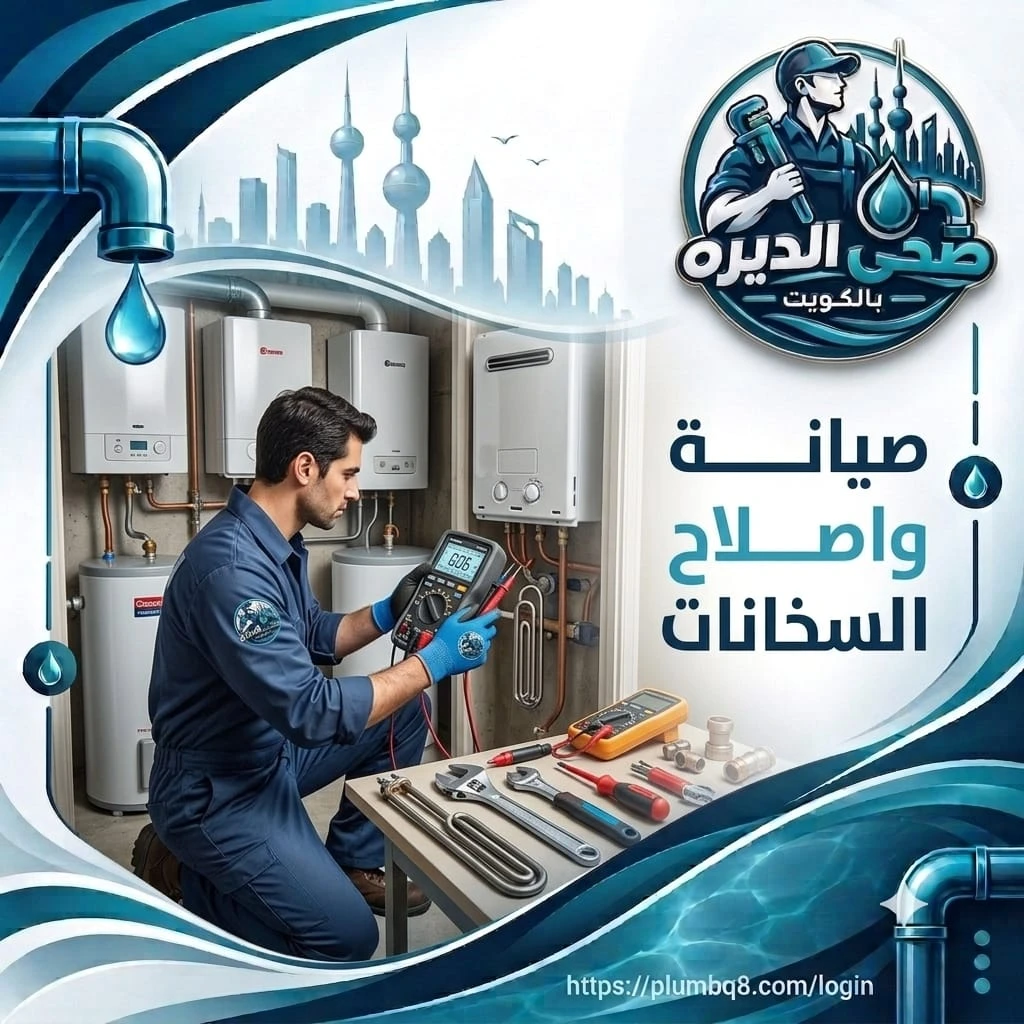
When investigating the causes of weak hot water flow from the water heater, it is important to distinguish between a fault inside the heater and a problem with the connected pipes and valves. The heater forms part of the hot water route, but it is not the only component responsible for the volume of water reaching the faucets. Sometimes the problem lies in the inlet or outlet connection while the heating unit itself is operating normally.
In storage-type water heaters, cold water enters the appliance and hot water leaves through a designated outlet. If a connection becomes restricted or the supply valve develops a problem, flow through the system may decrease. However, identifying the location of the restriction requires an appropriate inspection rather than assuming that the heater tank itself is blocked.
Tankless water heaters have different operating requirements and may contain components that control water movement or respond to flow rate. For this reason, the same diagnostic procedure used for a storage heater should not automatically be applied to every type of water heater.
One situation worth investigating is when weak hot water flow begins after the heater has been replaced or maintenance has been carried out nearby. The technician should review connection compatibility, valve positions, and the installation of components along the water route because the problem may relate to the installation rather than a failure of the heating unit.
Suppose the heater produces water at an appropriate temperature, but the volume coming from all connected faucets is low. This observation indicates that the shared water route needs evaluation, but it does not prove that the blockage is inside the heater. The restriction could be in a valve, fitting, or outlet line, and the affected point must be identified through inspection.
A common mistake is attempting to disconnect heater fittings without considering heat, pressure, and electricity. Hot water can cause burns, and some heaters contain electrical connections or protective systems that require appropriate technical handling. Any inspection involving disconnection or access to internal components must therefore be performed only after the system has been made safe according to the heater's requirements.
Replacing the heater should not be the first response to weak flow. If the actual problem is an external valve or a connected pipe, the same weakness may continue even after a new appliance has been installed.
-
If the heater produces hot water at a normal temperature but flow is weak at every connected outlet, the inlet, outlet, and distribution routes should be inspected before concluding that the heating unit itself is defective.
-
If the problem began after a new heater was installed, connection compatibility, valve positions, and installation methods should be reviewed because replacing the appliance does not prevent a restriction from occurring in its associated components.
-
If the heater is tankless, the technician must consider the model's flow-rate requirements and control components rather than applying diagnostic steps intended for a storage-type heater.
-
If the inspection requires work on heater connections, the electricity supply and water system must be made safe, with heat and pressure properly addressed before disassembly to prevent burns or electrical hazards.
-
If someone recommends replacing the heater because of weak hot water flow, ask what confirmed defect has been found inside the appliance because an external pipe problem may continue to affect flow even after replacement.
Inspecting the Hot Water Supply Line
Inspecting the hot water supply line becomes necessary when weak flow is not limited to a single faucet, especially if several outlets connected to the same heater are receiving insufficient hot water. In this situation, the technician needs to understand how the supply line is distributed throughout the property because water may pass through several fittings, valves, and branches before reaching a bathroom or kitchen.
One important detail is whether the line supplies a single floor or several floors. Some homes have independent distribution lines serving different groups of bathrooms, while others use a shared line with multiple branches. This difference changes the inspection approach. If weak flow occurs on one floor but not another, the branch serving the affected floor may need attention before the entire network is investigated.
The technician should also establish whether the pipes are exposed or concealed inside walls and floors. Exposed installations generally make it easier to inspect fittings and valves, while concealed pipes require their routes to be identified and appropriate tests performed before any finishing materials are removed.
Consider a home where hot water flow is weak in the upstairs bathrooms but acceptable on the ground floor. This difference makes it reasonable to examine the distribution layout, elevation differences, and supply conditions. However, it does not directly prove that an upstairs pipe is blocked. Additional resistance in a particular branch or differences in system design may also contribute.
The technician may compare flow at successive accessible points, provided this can be done safely. If flow is adequate before a particular section but becomes unusually weak afterward, the comparison may help narrow down the investigation. Operating conditions must be taken into account so that the measurements are meaningful.
Pipe age and material are also useful details, particularly when the plumbing has been modified previously. Not every reduction in flow is caused by deposits, so recommendations to clean or replace a line should be supported by actual inspection findings.
-
If weak hot water flow occurs on one floor but not throughout the property, the branches serving that floor should be reviewed and compared with those supplying other floors before recommending replacement of the main line.
-
If the pipes are concealed inside walls, their routes and available access points must be established before opening anything because weak flow alone does not identify where a restriction is located.
-
If the line supplies several bathrooms, comparing flow at different outlets may help identify the affected shared section rather than treating each faucet as a separate problem.
-
If the plumbing network is old, deposits should not automatically be assumed to exist throughout every pipe because pipe condition varies according to material, water characteristics, and usage.
-
If the technician recommends replacing part of the hot water line, ask which inspection findings identify that specific section so that undamaged plumbing is not replaced unnecessarily.
Cold Water Is Strong but Hot Water Is Weak
Noticing that cold water is strong but hot water is weak helps guide the inspection, but the comparison must be performed correctly to avoid blaming a component that is working normally. Some faucets mix hot and cold water inside a single body, and differences in output may result from the faucet's internal components rather than inadequate supply from the water heater.
An important detail is the type of faucet installed. A conventional mixer differs from one containing an internal cartridge that regulates mixing, and both differ from certain shower mixers equipped with temperature-control mechanisms. If an internal component becomes damaged or restricted, hot water may be affected more than cold water.
Suppose a bathroom sink faucet delivers a strong cold water stream, but hot water flows very slowly. At the same time, another faucet connected to the same heater provides normal hot water flow. This comparison makes inspecting the bathroom sink faucet and its local connections a logical step before moving on to the heater's main supply line.
Another possible cause is a restriction in the flexible supply hose beneath the sink, if the installation uses this type of connection. The hose may be sharply bent or affected by an internal problem, but its condition should be confirmed before replacement.
Some faucets also have an aerator or strainer at the outlet. If this becomes blocked, it generally affects water flow from the faucet regardless of whether hot or cold water is selected, although the symptoms may vary with operating conditions. It should therefore not automatically be treated as the main cause when only hot water is noticeably weak without making a suitable comparison.
Replacing the entire faucet before confirming that it is defective is another common mistake. Sometimes the technician only needs to inspect a local connection or valve, while other situations involve a damaged internal faucet component. Identifying the cause helps determine an appropriate repair instead of purchasing unnecessary parts.
-
If cold water is strong but hot water is weak at only one faucet, the faucet's internal components and local supply route should be inspected before moving on to the heater or main distribution line.
-
If the shower mixer automatically regulates water temperature, its internal components must be considered because a fault may restrict hot water flow differently from a conventional mixer.
-
If the sink has a flexible hot water supply hose, check whether it is severely bent or visibly damaged in a way that could affect flow before deciding to replace the entire faucet.
-
If both hot and cold water flow are weak, the outlet aerator or other shared components may need inspection, whereas weakness limited to hot water requires a broader comparison before identifying the cause.
-
If complete faucet replacement is recommended, establish whether the problem lies in the faucet body or a repairable component because replacing the entire fixture is not always necessary.
Technician for Diagnosing Weak Hot Water Flow
When you need a technician for diagnosing weak hot water flow, it is better to choose a service that begins by identifying the extent of the problem rather than offering a ready-made diagnosis during the first phone call. Weak hot water flow may affect one fixture, several bathrooms, or the entire property, and each situation requires a different inspection sequence.
The technician generally begins by collecting information about the heater type, the number of affected outlets, and when the problem started. They also need to know whether flow is consistently weak or changes when multiple faucets are used, and whether any recent plumbing or valve modifications have taken place. These details reduce the likelihood of replacing components unrelated to the fault.
One indication of a structured diagnosis is that the technician explains the difference between a local problem and one affecting shared components. If hot water is weak only in the kitchen, it would not be reasonable to immediately recommend replacing the entire hot water line before examining the kitchen outlet. If every outlet is affected, focusing on one faucet as the confirmed cause would be equally inappropriate.
Suppose a homeowner reports weak hot water flow in three bathrooms. During inspection, it becomes clear that two bathrooms share one supply line while the third receives water through a different route. This distribution layout helps organize the tests, but the actual connections must be verified before conclusions are drawn.
The technician should also explain when pressure measurements, flow comparisons, or inspections of valves and connections are necessary. Not every situation requires disconnecting the heater or opening a wall. Some problems can be identified through existing access points.
Regarding costs, the inspection fee may differ from the repair cost. Checking an exposed valve or fitting is different from repairing a concealed pipe or replacing a faucet component. It is therefore better to request a clear explanation of the required work after diagnosis rather than approving an overall amount without understanding what it covers.
With Sehi Al Deira, you can request an inspection of weak hot water flow and discuss the problem according to the number of affected outlets, heater type, and supply arrangement. The repair decision should begin with a likely cause supported by inspection rather than replacing components randomly.
-
When contacting a plumbing technician about weak hot water flow, explain how many faucets are affected and whether cold water flow remains normal at those outlets because this information helps define the inspection scope from the beginning.
-
If the weakness occurs when several outlets are operating simultaneously, explain those conditions so the technician can compare flow during individual and simultaneous use rather than relying on one test.
-
If the technician recommends replacing a component, ask which inspection result demonstrates its effect on water flow because simply being part of the plumbing route does not mean it is defective.
-
If the work requires opening a concealed pipe installation, establish why that access point has been selected and whether additional tests could reduce unnecessary demolition.
-
If you are comparing maintenance quotations, clarify what is included in diagnosis and repair and whether replacement parts and restoration work are charged separately so the overall cost is understandable.
Blockage in the Water Heater Outlet Line
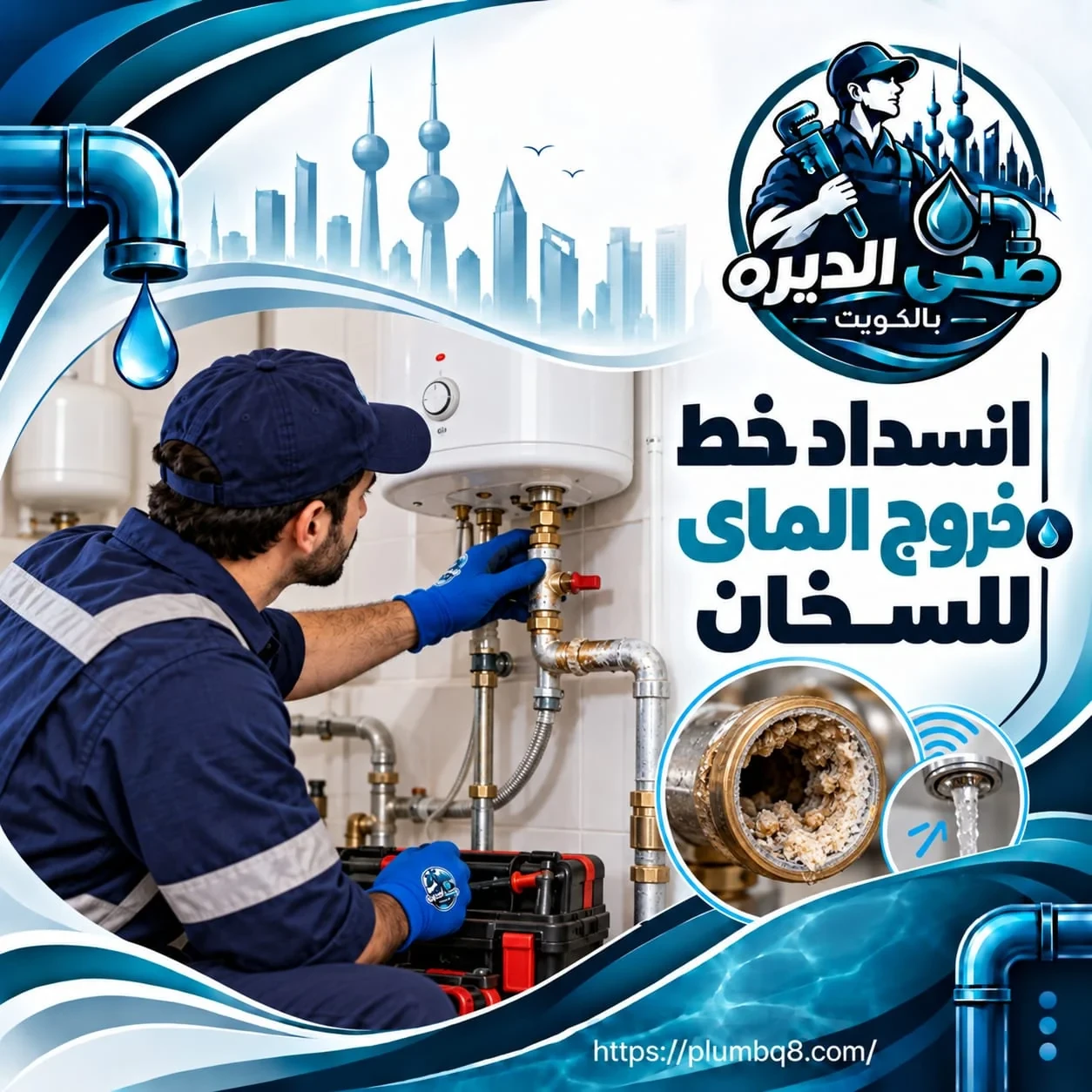
A blockage in the water heater outlet line is one possibility worth investigating when hot water flow is weak at several outlets connected to the same appliance. However, a blockage does not necessarily mean the pipe is completely closed. A partial restriction in a fitting, outlet, or other component may reduce the volume of water passing through without stopping it entirely.
In some situations, mineral deposits or suspended particles may accumulate at narrow points along the water route, particularly around certain fittings or components, depending on the system and water conditions. However, deposits are not responsible for every flow problem. The location of the resistance should be established before recommending cleaning or replacement.
It is also important to distinguish between the heater outlet itself and the pipe extending beyond it. If the restriction is located in a fitting close to the appliance, the repair may be very different from one involving a long distribution pipe supplying several bathrooms.
Suppose hot water flow gradually decreases at every faucet while cold water remains normal. This observation places the shared hot water route among the inspection priorities, but it does not prove that the heater outlet is blocked. The technician needs to evaluate the valves, fittings, and water route to identify the restriction.
One mistake is attempting to insert tools or cleaning chemicals into the heater outlet without knowing the appliance type and its components. Unsuitable methods may damage fittings or protective parts or leave substances that are inappropriate for the water supply.
Disconnecting the heater outlet is also not a simple procedure when the water is hot or the pipe remains pressurized. The electricity or other energy supply must be made safe according to the appliance type, and the water supply and pressure must be addressed appropriately before any fittings are disconnected.
If a damaged or obstructed component is confirmed, the repair method depends on its material, condition, and whether it can be cleaned safely or needs replacement. The objective is not merely to improve flow temporarily, but to address the cause without damaging components that are still functioning properly.
-
If weak hot water flow affects every outlet connected to the heater, the appliance outlet or shared supply line may need inspection, but the restriction must be identified through appropriate testing before disassembly.
-
If mineral deposits are suspected, their location and the nature of the affected component should be established instead of using cleaning chemicals indiscriminately because some substances may be unsuitable for heater components or the water supply.
-
If the restriction is in a fitting close to the heater, the repair may differ from a blockage inside a long pipe, so identifying the location allows a more accurate decision about cleaning or replacement.
-
If the technician needs to disconnect the heater outlet line, the energy supply and water system must be made safe, with heat and pressure addressed before work begins to avoid burns or sudden water discharge.
-
If flow improves after a particular component is repaired, the outlets connected to the heater should be tested under appropriate operating conditions to confirm that the original problem has been resolved.
Weak Hot Water Flow in the Bathroom
Weak hot water flow in the bathroom requires an inspection that accounts for the bathroom's different outlets, including the shower, sink faucet, and sometimes a bathtub mixer. Weak flow from the shower alone is different from weak hot water flow at every bathroom outlet, even though homeowners may describe both situations in similar terms.
The first useful comparison is between hot water flow from the sink and the shower. If hot water is normal at the sink but weak in the shower, the shower mixer's components and local supply line should be inspected first. If hot water is weak at both outlets, the technician may need to review the shared line serving the bathroom.
Some showerheads contain flow-regulating components or openings that can be affected by deposits. However, these problems generally require comparing hot and cold water flow through the same outlet. If both are weak, the investigation will follow a different direction from a situation where only hot water is affected.
Suppose a homeowner notices that hot water comes out slowly from the shower while cold water is strong, and the nearby sink receives hot water normally. The technician may need to inspect the shower mixer and its internal components, particularly if it is a temperature-regulating model, rather than immediately moving on to the water heater.
In another situation, hot water is weak at both the shower and bathroom sink, but kitchen flow is normal. This comparison may direct attention toward the shared bathroom branch, provided the outlets are confirmed to be connected to the same hot water system.
It is also important to recognize that some users describe temperature changes as weak water flow. For example, if the shower produces lukewarm water when the flow is increased, that is not the same problem as a reduced volume of water coming out. The symptoms must therefore be described accurately before a repair is selected.
Cleaning the showerhead or replacing the mixer is not a guaranteed solution in every case. It is better to establish whether the problem lies in the outlet itself or its supply route, because buying new components without making a comparison may add expense without improving the result.
-
If hot water flow is weak only in the shower, compare it with the bathroom sink before inspecting the heater because the problem may involve the shower mixer or its local supply.
-
If hot water is weak at every bathroom outlet while kitchen flow remains normal, the technician may need to review the shared bathroom branch rather than treating each fixture as an independent fault.
-
If both hot and cold water flow are weak through the showerhead, its openings and flow-regulating components should be examined because the problem may not be related specifically to the hot water line.
-
If the volume of water is normal but its temperature changes during showering, explain this distinction to the technician because unstable temperature requires a different diagnosis from reduced flow.
-
If you are considering replacing the shower mixer, its internal components and supply should be checked first because a new mixer will not correct a restriction in the pipe feeding it.
Inspecting the Water Heater Valve When Flow Is Weak
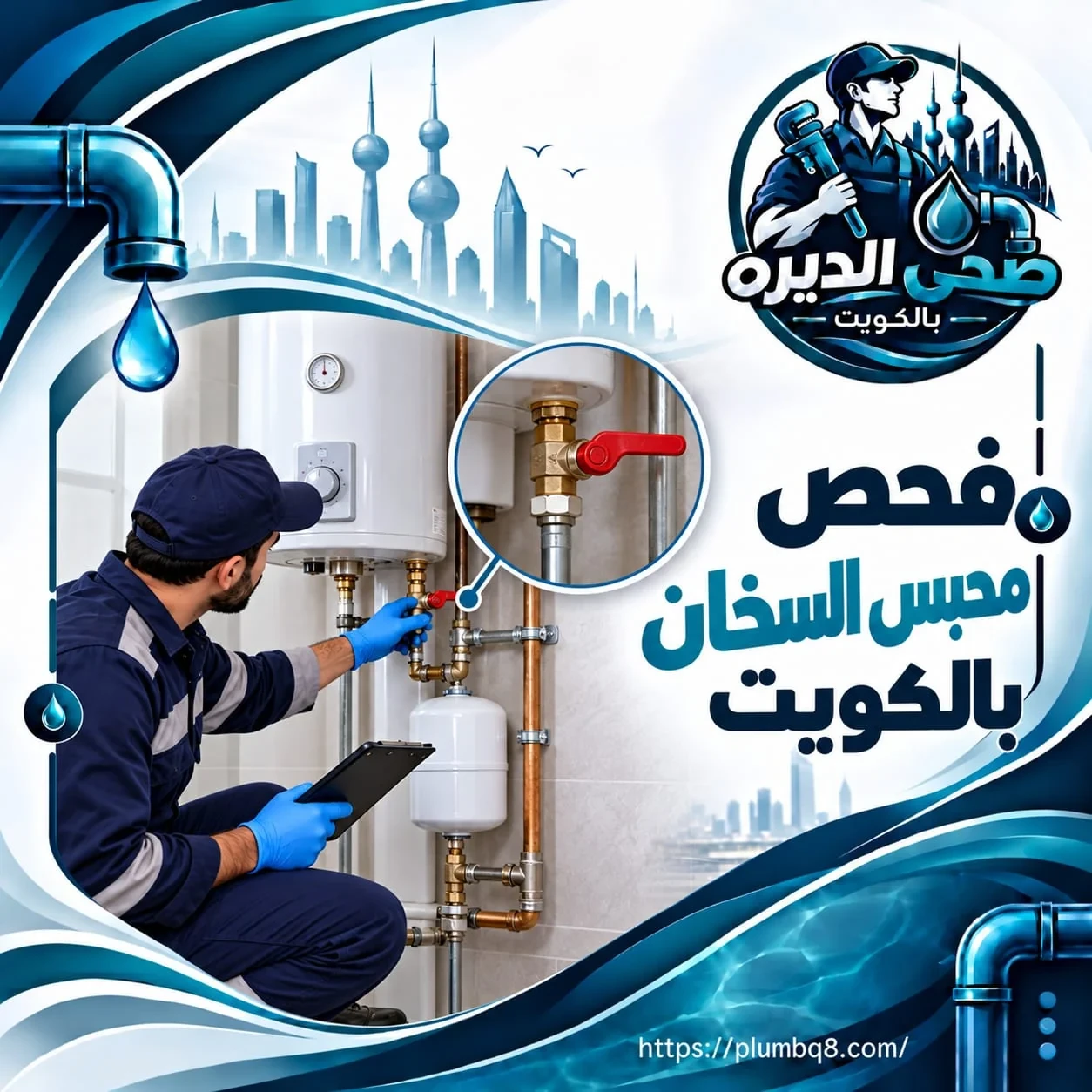
Inspecting the water heater valve when flow is weak is an important step, especially if the problem began after maintenance or after the property's water supply was shut off. A valve controls water movement through part of the network. If it is not fully open or has an internal defect, it may affect the volume of water passing through the heater, depending on the plumbing arrangement.
However, the position of the valve handle does not always confirm the condition of the internal mechanism. Some valves can develop faults in their operating parts or internal restrictions, so looking at the handle alone is not enough to make a final diagnosis.
The valve's location and purpose must also be established. Some installations include a valve controlling the cold water supply to the heater, while other valves may be fitted to additional connections depending on the system design. The inspection should identify the valve actually associated with the affected water route rather than randomly opening and closing nearby valves.
Suppose hot water flow becomes weak after a connection near the heater has been replaced. Before assuming that the pipes are blocked, the technician should review the valves operated during the maintenance and confirm that they are in a suitable working condition. Even if a valve appears open, additional inspection may be necessary to establish whether it has an internal problem.
One mistake is forcing an old valve to turn when it is stuck. This may damage the valve or cause leakage from its body or connections, especially if it has deteriorated. Stuck valves should therefore be handled by a technician rather than operated with excessive force or improvised tools.
It is also important to distinguish between ordinary shutoff valves and safety valves or other protective heater components. Not every component resembling a valve is intended for manual flow adjustment, and improper handling of safety devices can create hazards.
If the valve is confirmed to be restricting water flow, the technician can determine whether an appropriate repair is possible or whether it should be replaced with a component compatible with the plumbing system and its operating conditions. Afterward, the connections should be checked for leaks and the hot water flow reassessed.
-
If weak hot water flow began after the water supply was shut off for maintenance, the valves operated during that work should be reviewed before assuming that the heater has an internal problem.
-
If the valve handle appears to be in the open position but flow remains weak, an internal defect should still be considered because handle position alone does not prove that the water passage is fully open.
-
If the valve is old or stuck, do not attempt to force it with heavy tools because this could damage the valve body or cause leakage around its connections.
-
If several valves are located near the heater, their individual functions must be identified before they are operated because some components provide safety protection rather than routine flow control.
-
If a damaged valve is replaced, hot water flow and connection integrity should be checked after operation resumes rather than treating installation of the new part as the end of the diagnosis.
How to Fix Low Hot Water Pressure
Fixing low hot water pressure begins by identifying what is reducing the volume of water reaching the outlets, not by selecting a replacement part before inspection. The solution depends on whether the problem involves a single faucet, a valve, a shared supply line, or a connection associated with the water heater. Each possibility requires a different repair method and involves different costs.
If the problem is confirmed to be limited to one faucet, the repair may involve an internal component or its local supply connection. If weak flow affects several outlets, the technician may need to repair a shared part of the network after identifying where excessive resistance or restriction occurs.
In some cases, the cause is related to the plumbing layout or whether the pipe diameters are suitable for the required usage. This is particularly relevant when the problem has existed since installation or appears when several outlets operate simultaneously. Cleaning the pipes should not automatically be treated as the solution because the underlying issue may involve the distribution system's design.
Suppose a homeowner notices weak hot water flow after adding a new bathroom to the plumbing network. If the problem occurs when both bathrooms are used simultaneously, the technician may need to evaluate whether the shared pipes can adequately serve the additional fixtures rather than replacing the heater or installing a booster pump without reviewing the system design.
If the weakness appears suddenly after a long period of normal operation, it may be more appropriate to focus on recent changes and the condition of valves, fittings, and components that may develop restrictions. Distinguishing between a longstanding problem and a new one helps establish the appropriate inspection route.
Regarding prices, there is no single cost applicable to every weak hot water flow problem. Repairing an exposed valve is different from replacing a mixer or repairing a concealed section of hot water piping. It is therefore better to establish the cause, work plan, and required components before agreeing on the price.
With Sehi Al Deira, you can request an inspection of weak hot water flow in your home, whether the problem affects the bathroom, kitchen, or several outlets. The important thing is to begin with a clear diagnosis that distinguishes a flow problem from a heating problem and identifies the affected component before replacing parts.
-
If the weakness is limited to one outlet, the local cause should be repaired after inspecting the faucet and its supply rather than making unnecessary changes to the entire plumbing network.
-
If flow has been weak during simultaneous use of several outlets since the pipes were installed, the technician may need to evaluate the distribution design and its capacity to serve the required usage instead of automatically assuming that a blockage exists.
-
If the weakness appears suddenly after a long period of normal operation, valves, connections, and recent changes should be reviewed because identifying when the problem began helps narrow down the possibilities.
-
If the repair requires replacing part of the hot water line, the reason for selecting that section and the costs of opening, installation, and restoration should be explained before work begins.
-
After repairs are completed, hot and cold water flow should be compared at the previously affected outlets, with simultaneous-use testing when necessary, to confirm that the improvement is appropriate for normal operating conditions.
Conclusion
If hot water flow is weak while cold water is normal, it does not necessarily mean that the water heater is defective or that the property needs a more powerful booster pump. Sometimes the problem involves a single faucet, valve, or fitting. In other cases, the shared hot water supply line needs inspection to identify where flow is being restricted.
The best starting point is to compare hot and cold water flow at several outlets and establish whether the problem appeared suddenly or developed gradually. An appropriate inspection can then be arranged instead of replacing components through guesswork.
With Sehi Al Deira, you can request a plumbing technician to inspect weak hot water flow in Kuwait and identify the likely cause before selecting a repair, whether it involves the heater valve, a faucet, or hot water piping. The objective is to address the component actually responsible without unnecessary expenses or replacements.
Frequently Asked Questions About Weak Hot Water Flow
Why is my hot water weak while cold water is strong?
Possible causes include a restriction in the hot water line, a valve that is not fully open, a faucet problem, or a water heater connection. Identifying the cause depends on whether the weakness affects one outlet or every hot water fixture.
Does weak hot water flow mean my water heater is broken?
Not necessarily. If the heater produces water at a normal temperature but the flow is low, the problem may involve the supply route, valves, or connections. The cause should be inspected before deciding to replace the heater.
How can I tell whether the problem is in the faucet or hot water line?
Compare hot water flow from several faucets connected to the same system. If only one faucet is affected, its components and connections should be inspected first. If several outlets are affected, the problem may involve a shared part of the network.
Will installing a stronger booster pump fix weak hot water flow?
Not always. If there is a restriction, blockage, or damaged valve, increasing pressure does not address the underlying cause. It is better to identify the source of reduced flow and confirm system compatibility before changing the pressure.
Can a blocked water heater outlet reduce hot water flow?
Yes. A restriction in the heater outlet or one of its associated fittings can reduce flow. However, the location must be confirmed through inspection because another part of the water route may be responsible.
Why is hot water flow weak only in my shower?
The problem may involve the shower mixer, its internal components, or its local supply connection. If hot water flow is normal at the bathroom sink, this helps direct the inspection toward the shower rather than immediately blaming the heater.
Can the water heater valve cause weak hot water flow?
Yes, if it is not fully open or has an internal defect restricting water movement. However, the valve's purpose and condition should be identified before attempting to operate or replace it.
Are mineral deposits responsible for low hot water pressure?
Mineral deposits are one possibility, but they are not the only cause. A restriction in a fitting, a faulty faucet or valve, or a distribution problem may also affect flow. Pipe cleaning should therefore not begin without a diagnosis.
How much does weak hot water flow repair cost in Kuwait?
The cost depends on the cause and type of repair. Inspecting a valve or faucet is different from repairing a concealed hot water pipe or replacing a connection. The required work should be established after inspection.
When should I call a plumber about weak hot water flow?
If weak hot water flow continues, affects several faucets, or begins after maintenance or plumbing modifications, arranging an inspection is appropriate. If you notice leaks or problems around heater connections, avoid disconnecting them yourself because of the risks associated with hot water, pressure, and electricity.
Need help from a plumber?
Related articles
 ♨️ Water Heater Repair & Service
Water Heater Not Heating? Diagnose the Fault Before Replacing Parts
♨️ Water Heater Repair & Service
Water Heater Maintenance Before Winter: What Does It Include?
 ♨️ Water Heater Leak Repair