Water Heater Maintenance Before Winter: What Does It Include?
As winter approaches in Kuwait, water heater use increases, especially in the early morning and at night. Before relying on your heater every day, however, it is better to make sure that its condition allows safe operation. A water heater may still operate and produce hot water while showing signs that require inspection, such as moisture around connections, unusual changes in water temperature, or noises during heating. This raises an important question: what does water heater maintenance before winter actually include, and how is a routine inspection different from repairs requiring replacement parts? Understanding the service details before booking helps you know what the technician should do and whether you need a preventive inspection or repairs for an existing fault, rather than agreeing to maintenance without understanding its scope.
Water Heater Maintenance Before Winter

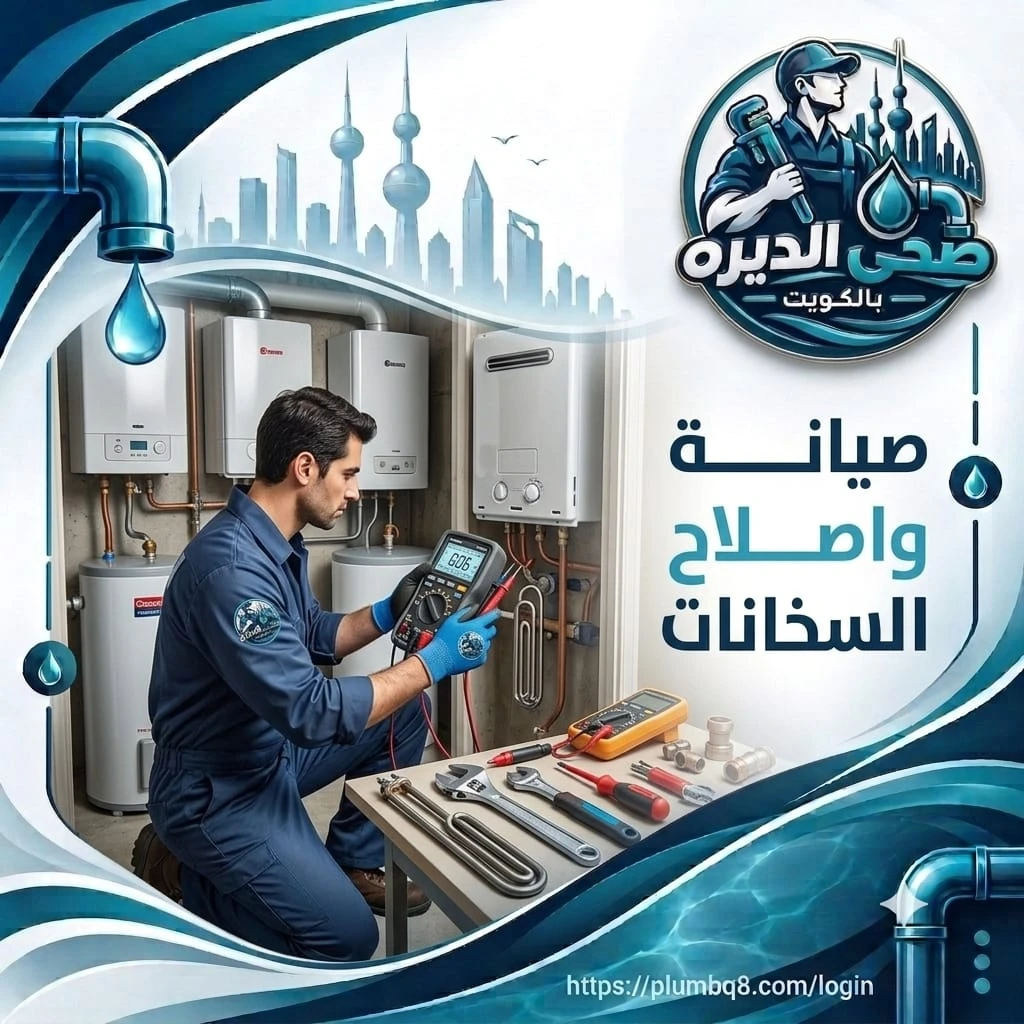
Water heater maintenance before winter aims to assess the heater's condition before a period of frequent use, rather than simply switching it on and confirming that the water becomes hot. An electric water heater contains several components, including heating elements, temperature controls, electrical connections, and water connections. Each component requires evaluation according to the heater's condition and type, particularly if the unit has been unused for a long period or operated only occasionally during summer.
It is important to distinguish between preventive maintenance and fault repairs. Preventive maintenance begins by examining the heater's condition and looking for indications of problems before usage increases. However, if the heater does not produce hot water, repeatedly shuts off, or has a visible leak, it requires fault diagnosis and may need separate repairs. Not every maintenance visit involves replacing parts, and an older heater does not automatically need replacement simply because it has been used for several years.
Consider a practical example: you have an electric water heater that operates normally, but recently you have noticed that the water takes longer to heat up. This observation deserves attention, but it does not prove that the heating element is defective. The technician needs to review the heater's performance, control system, and operating conditions before determining the cause. If you notice a burning smell or unusual signs of overheating around the electrical connections, however, you should stop using the heater and request a qualified inspection instead of repeatedly trying to operate it.
Before booking, ask which procedures are included in the inspection, whether the heater's condition will be explained afterward, and what work requires your approval if a fault is discovered. This approach helps distinguish preventive inspection services from additional repairs and prevents unnecessary replacement of components without a clear diagnosis.
-
If the heater has remained unused for a long period, it is better to inspect its condition before returning to daily operation because the absence of noticeable problems during summer does not necessarily mean every component is ready for frequent use.
-
If the heater still produces hot water but its performance has changed, the reason should be identified through inspection rather than assuming that the heating element needs replacement simply because heating takes longer.
-
If a burning smell or unusual signs of overheating appear around electrical connections, stop using the heater and do not attempt to remove electrical covers or examine wiring without a qualified professional.
-
If the visit is intended only for preventive maintenance, clarify whether it includes inspection, appropriate cleaning, and operational testing, or whether certain procedures require a separate agreement depending on the heater's condition.
-
If the technician discovers a component requiring repair, the reason for the recommendation and the condition of the part should be explained before replacement so that the decision is based on an identified fault rather than the heater's age alone.
Inspecting a Water Heater Before Winter
Inspecting a water heater before winter requires an organized approach because the objective is not simply to confirm that electricity reaches the heater or that hot water comes out of a faucet. A useful inspection reviews visible signs on the heater body, water connections, and components that can be assessed safely. It then proceeds to performance testing according to the heater's type and the manufacturer's instructions. This sequence helps identify obvious problems before operating the heater for longer periods.
The technician first needs to establish whether the heater is an electric storage model or another type, because inspection procedures differ according to its design. With an electric storage heater, it is important to examine the condition of the tank body, external connections, and signs of leakage, as well as heating performance and temperature control. Central water heaters and larger systems may have different components and configurations, so the same inspection checklist should not be applied to every heater without considering its design.
Consider a practical example: a homeowner notices that hot water flows normally in one bathroom but cools quickly in another. It would be incorrect to immediately conclude that the water heater itself is underperforming. Differences in hot water performance between two outlets may be related to the distribution pipework, a mixing faucet, or how the water is being used. The technician needs to establish whether the problem affects every hot water outlet or is limited to one location before deciding whether to begin inspecting the heater or the connected distribution system.
Knowing the heater's age and maintenance history, when available, can also be useful, but age alone should not determine its condition. A heater that has been operating for several years may need inspection and assessment, while a newer heater may develop problems because of unsuitable installation or a faulty component. The assessment should depend on the actual condition and inspection findings.
It is also helpful to clarify whether the inspection includes operational testing afterward, because visually examining the heater alone is not sufficient to evaluate its performance. Any inspection of internal electrical components must be carried out by a qualified person after isolating the electrical supply and verifying that appropriate safety procedures are in place.
-
Identifying the heater's type and model before inspection helps determine the appropriate procedures because the components of an electric storage heater differ from those of central systems or heaters with different designs.
-
If the hot water problem appears in only one bathroom, the other outlets should be compared before treating the heater as the cause, because the mixing faucet or distribution route may be responsible.
-
Inspecting the heater body and external connections helps identify moisture or unusual changes that require assessment, but the source of any leakage must be established before choosing a repair.
-
Knowing the history of previous faults and maintenance helps the technician understand the heater's condition, but it does not replace a current inspection or mean that parts must be changed simply because a certain period has passed.
-
Testing the heater after inspection should follow procedures appropriate to its type, with internal electrical examinations left to a qualified professional and operation avoided whenever warning signs indicate a potential hazard.
Water Heater Maintenance in Kuwait Before Cold Weather
Requesting water heater maintenance in Kuwait before cold weather requires you to define the service you need before agreeing with a technician. The term maintenance may refer to a preventive inspection, cleaning certain components, or repairing an existing fault. This distinction matters because it affects the cost, time required, and type of work performed inside your home.
Before booking, it is useful to prepare basic information about the heater. Is it an electric storage model? What is its capacity, if stated on the identification label? Is there an existing problem, or do you simply want it inspected before usage increases? Is it installed in an easily accessible location or inside a confined space? These details help clarify the request, although they do not replace an inspection when a fault requires diagnosis.
Regarding prices, there is no single maintenance cost that applies to every water heater. Inspecting a heater that operates normally differs from a visit involving diagnosis of electrical tripping, treatment of a leak, or dismantling and cleaning a component. The cost of replacement parts, if needed, is also different from the inspection and labor charges. It is therefore better to ask about the inspection price, what it includes, and whether you will be informed of additional repair costs before the work is performed.
Imagine that you request maintenance before winter and the inspection shows that the heater needs cleaning appropriate to its condition, but no components require replacement. In that situation, the work and its purpose should be clearly explained. In another case, the inspection may reveal a problem with a control component or connection requiring repair, which changes the nature and cost of the service compared with preventive maintenance.
When choosing a technician, do not rely solely on the lowest price. What matters more is whether the technician can work with your heater type, explain the scope of the inspection, and distinguish preventive procedures from necessary repairs. Safety procedures must also be an essential part of the work, particularly when dealing with electricity and water within the same appliance.
-
When requesting water heater maintenance before cold weather, explain whether you need a preventive inspection or have a specific fault, because the type of request affects the inspection procedures and expected working time.
-
Knowing the heater's type, capacity, and installation location helps describe the situation before the visit, but selecting replacement parts or determining the appropriate repair must depend on examining the actual appliance.
-
When asking about the price, clarify whether the amount covers inspection only or includes specified cleaning and testing procedures, and whether replacement parts and additional repairs are charged separately.
-
If the technician recommends replacing a component, you should understand the reason for replacement and the problem identified during inspection rather than agreeing to change parts merely in preparation for winter.
-
Choosing an appropriate maintenance service depends on a clear scope of work, safe handling of the heater, and an explanation of inspection findings, rather than a low quoted price that does not explain what is actually included.
What Does Water Heater Maintenance Include?
When you ask what does water heater maintenance include, it is important to understand that the service is not a fixed checklist that applies to every appliance. There is a difference between inspecting an electric heater that is operating normally and maintaining a heater showing signs of a fault. The visit should therefore begin with an assessment of the appliance's condition. The technician can then determine what needs inspection, cleaning, or repair while explaining which procedures are included in the agreed maintenance service and which require additional charges.
An inspection generally involves reviewing the heater's external condition, checking for visible signs of damage around the appliance body or water connections, and assessing heating performance and temperature control according to the heater type. The technician may also need to evaluate internal components if the symptoms justify further investigation. However, opening electrical compartments or dismantling components is not necessary during every visit and should only be performed by a qualified professional after appropriate safety precautions have been taken.
It is important to distinguish inspection, cleaning, and repair. Inspection establishes the heater's condition and identifies existing concerns. Cleaning addresses specific accumulations when there is a demonstrated need and the procedure is suitable for the appliance's design. Repair, on the other hand, addresses a particular fault, such as a damaged component or leakage requiring correction. Confusing these services may lead homeowners to assume that the maintenance charge covers everything, only to discover that additional work is required.
For example, if the heater produces hot water normally and shows no leakage or unusual signs, the inspection may conclude that no components need replacement. If poor performance or a temperature-control fault is discovered, however, more specialized examination may be necessary to determine the cause. Good maintenance is not measured by how many parts are replaced but by whether every procedure has a clear technical justification.
Before the visit ends, ask for an explanation of the heater's condition, the work completed, and any issues requiring follow-up. This helps you understand whether the appliance is ready for use or requires repairs before regular operation.
-
Inspecting the heater's external condition helps identify damage or moisture around the body and connections, but any finding requires assessment to establish its source before a repair decision is made.
-
Heating performance and temperature-control assessment should be appropriate to the appliance's design because changes in heating time or water temperature do not independently prove that a particular component is defective.
-
Internal cleaning is not automatically required during every maintenance visit and depends on the heater's type, condition, manufacturer's instructions, and whether the procedure can be performed safely.
-
If a component requires replacement, the repair cost should be distinguished from the preventive inspection charge, and the reason for replacement explained before work begins.
-
After maintenance, it is preferable to receive a clear explanation of the completed procedures, operational test results, and any issues requiring follow-up rather than simply being told that the heater is ready.
Technician to Inspect a Heater Before Winter Use
Choosing a technician to inspect a heater before winter use depends on the person's ability to diagnose the appliance's condition and handle its components safely, not simply on their ability to remove and reinstall a heater. Electric water heaters combine electricity and water, and unsuitable inspection methods may expose someone to electric shock or damage the appliance. Electrical connections and internal components should therefore be handled only by a qualified professional.
The technician first needs to understand the nature of the problem or the reason for requesting an inspection. Has the heater been unused for a while? Have you noticed changes in water temperature? Does it make a new noise during operation? Or do you simply want a preventive inspection before winter? This information helps establish inspection priorities, especially if there are warning signs that make it necessary to avoid operating the heater until its safety has been assessed.
One important warning sign to report is a circuit breaker that repeatedly trips when the heater is switched on. This should not be treated as a minor inconvenience that can be resolved by resetting the breaker each time. Repeated tripping may indicate an electrical fault requiring diagnosis. If the breaker trips repeatedly, stop using the heater and do not bypass protective devices or replace the breaker with a higher-rated one without an appropriate electrical assessment.
The technician should also explain the difference between a fault inside the heater and a problem with the electrical supply or external connections. A heater that does not operate does not necessarily have a defective heating element, and a change in water temperature does not automatically mean that the thermostat needs replacement. Diagnosis should be based on symptoms and inspection results rather than guesswork.
If the heater is installed in a confined or elevated location, safe access must be arranged before work begins. Attempting to inspect an appliance that is difficult to reach without suitable equipment can increase the risks, even when the fault itself is relatively simple.
-
If the circuit breaker trips every time the heater operates, the appliance should remain unused until a qualified professional identifies the cause instead of repeatedly resetting the breaker or bypassing electrical protection.
-
If the heater has been unused for a long period, the technician should be informed before the visit so that suitable inspection procedures can be planned instead of immediately operating the appliance without assessing its condition.
-
If water temperature changes unusually, explain when the change occurs and whether it affects every hot water outlet so that functioning components are not replaced because of an incomplete diagnosis.
-
If the heater is installed in a high or confined location, selecting a safe method of access is part of the inspection requirements, and safety should not be compromised simply to complete the visit quickly.
-
A suitable technician explains the reason for any proposed repair and establishes whether the problem lies within the heater or its connected services rather than replacing components through trial and error.
Cleaning and Inspecting a Water Heater
Cleaning and inspecting a water heater are related services, but not every heater requires internal cleaning during every visit. With use, sediment may accumulate inside certain types of storage heaters depending on water characteristics and operating conditions. In some circumstances, these deposits can affect performance. However, noises during heating or slower temperature increases are not enough on their own to confirm that sediment is responsible, so inspection should come before deciding to clean the appliance.
The appropriate cleaning procedure depends on the heater's design and the manufacturer's instructions. Some appliances allow specific tank maintenance procedures, while others require different steps or should not have certain components removed without a clear reason. Appropriate safety precautions must also be taken before any work, including correctly isolating the electrical supply, verifying safe conditions, and handling hot water and internal pressure according to suitable procedures.
Imagine a homeowner notices faint clicking noises during heating and requests cleaning because they believe sediment has accumulated inside the tank. The technician should not assume that the cause is known from the sound alone, because noises may have several explanations. The inspection should begin by evaluating the appliance's condition, type, and symptoms before determining whether sediment removal is appropriate or another component requires examination.
It is also important not to confuse external cleaning with cleaning the tank or its internal components. Removing dust from accessible exterior surfaces is entirely different from opening the tank or handling the heating element. Internal work requires knowledge of the appliance's design, correct reassembly procedures, and appropriate safety testing.
Using cleaning agents or descaling chemicals indiscriminately inside the heater is not recommended because certain substances may be incompatible with the appliance's components or construction materials. If sediment treatment is required, the method must be consistent with the manufacturer's instructions.
-
If unusual noises appear during heating, the cause should be assessed before deciding to clean the tank because sound alone does not establish that sediment deposits need removal.
-
If the appliance is a storage heater, its internal cleaning procedures depend on its design and maintenance instructions, and the same cleaning method should not be applied to every model.
-
Handling hot water, internal pressure, and electrical connections requires appropriate safety procedures before opening any part of the appliance, even when the work is intended only for cleaning.
-
Using descaling chemicals without confirming their compatibility may damage certain components, so the cleaning method must be based on the heater's type and actual condition.
-
After internal cleaning that requires components to be dismantled, correct reassembly, the absence of leakage, and appropriate operational testing should be verified before the heater returns to service.
Checking the Water Heater Safety Valve Before Winter
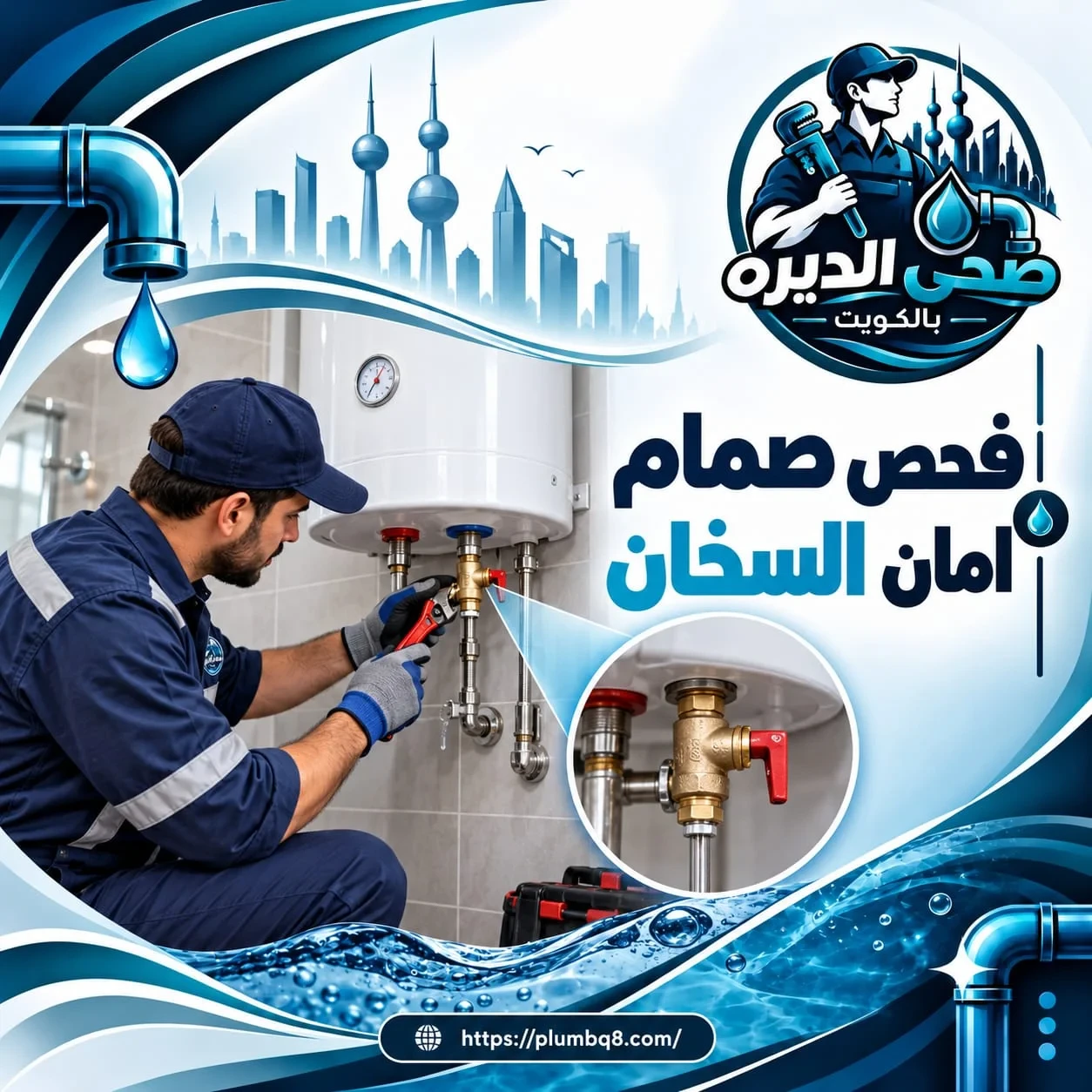
Checking the water heater safety valve before winter is an important part of assessing the safety of certain storage water heaters. A valve designed to protect against excessive pressure and temperature serves a different purpose from ordinary shutoff valves installed on water lines. However, valve design, location, and testing requirements vary according to the heater type, so every appliance should not be treated in the same way.
The first thing to understand is that a safety valve is not a component that should be closed or have its discharge outlet blocked simply to stop water from coming out. If you notice water discharging from the valve outlet, the situation requires assessment to determine whether it is associated with operating conditions, pressure, temperature, or the valve's condition. Blocking the outlet or disabling the valve may remove an important protective function and create serious hazards.
It is also important to distinguish water droplets coming from the valve outlet from leakage at a nearby connection. Water may escape from a higher point and travel along the pipe, making it appear that the valve itself is leaking. The technician should establish the actual point where water emerges before recommending valve replacement or connection repairs.
Consider a homeowner who notices moisture below the heater after it has been operating for a while and assumes the safety valve is defective. During inspection, the technician must determine whether the moisture originates from the valve outlet, a nearby water connection, or another part of the appliance. The source changes the appropriate treatment, so replacing the valve without identifying the cause is not a suitable decision.
You should not randomly operate the valve lever or attempt to remove the valve if you are unfamiliar with the appliance instructions and testing procedures. Water may be hot and pressurized. Any testing should be carried out by a qualified professional in accordance with the manufacturer's instructions and safety requirements.
-
If water is discharged from the safety valve outlet, the reason should be identified before replacing the valve because the problem may involve pressure conditions, temperature, or the condition of another system component.
-
If moisture appears around the valve, the actual leakage point should be established because water may originate from an adjacent connection and travel along the pipe rather than coming from the valve itself.
-
The safety valve outlet must never be blocked or disabled to stop water discharge because doing so may prevent the protective function for which it was designed and create a hazard.
-
Valve testing should follow the manufacturer's instructions and be performed by a qualified professional because improper handling of hot, pressurized water may cause injury or leakage.
-
If inspection confirms that the valve needs replacement, the new component must be compatible with the heater's specifications and pressure and temperature requirements, rather than simply resembling the old valve.
Routine Water Heater Maintenance in Kuwait
Routine water heater maintenance in Kuwait helps homeowners monitor the appliance's condition at appropriate intervals instead of waiting until heating stops or an obvious problem appears. However, routine maintenance does not mean that every component must be replaced after a fixed number of months. Maintenance requirements vary according to the heater's type, age, operating conditions, and the manufacturer's instructions.
It is useful to begin by monitoring changes that appear during normal use. For example, if you notice that heating takes longer than usual, the circuit breaker trips, or moisture appears around a connection, these symptoms require attention and should not be postponed until the next scheduled maintenance visit. If the heater operates normally, preventive maintenance provides an opportunity to review its condition according to the recommendations appropriate for that appliance.
Keeping a simple maintenance record helps you understand what was done during previous visits. If the heating element was replaced, a connection repaired, or a temperature-control problem addressed, retaining the date and reason for the repair can be useful. This information helps the technician understand the appliance's history during a future visit, but it does not mean that the same fault will recur or that the previously replaced component needs to be changed again.
The maintenance requirements of a heater used every day may also differ from those of an appliance installed in a bathroom that is rarely used. Limited use, however, is not a reason to ignore inspection entirely, particularly if the heater has been switched off for an extended period. Maintenance decisions should be connected to manufacturer recommendations, the appliance's condition, and actual symptoms rather than an arbitrary schedule that ignores differences between models.
Regarding cost, monitoring the heater's condition may help identify problems requiring attention before they become more serious, but it does not guarantee that future faults will never occur. It is better to understand the inspection charge and included procedures and retain records of completed repairs so that unnecessary work is not repeated.
-
Routine maintenance intervals should reflect the manufacturer's instructions, the heater type, and operating conditions instead of applying the same fixed period to every appliance without distinction.
-
Keeping records of previous faults and repairs helps explain the appliance's condition to the technician, particularly if similar symptoms appear and need to be compared with current inspection findings.
-
If repeated electrical tripping or visible leakage occurs between scheduled maintenance visits, the problem should be addressed promptly rather than waiting until the next routine appointment.
-
A heater used infrequently may require assessment before returning to regular operation, but limited use alone does not establish that a fault exists or that internal components require replacement.
-
Useful routine maintenance is based on evaluating component condition and documenting necessary work rather than automatically replacing functioning parts during every visit.
Preparing Your Water Heater for the Winter Season
Preparing your water heater for the winter season means making sure that the appliance is suitable for the expected level of use during the period when demand for hot water increases. Readiness involves more than heating performance. It also includes safe operation, consistent performance, and determining whether the heater needs attention before the household relies on it every day.
One factor to consider is how the household uses hot water. If several people use hot water within a short period, you may notice that the available supply does not last as long as expected. This does not necessarily indicate a fault, because storage capacity, water consumption, and reheating time all affect the result. Before considering heater replacement or increasing the temperature setting, it is better to assess household requirements and the appliance's specifications.
Some homeowners also raise the heater temperature considerably when cold weather begins, assuming this will solve problems with insufficient hot water. However, unsuitable temperature settings can increase the risk of scalding, particularly for children and older adults. It is better to follow the manufacturer's instructions and use appropriate temperature controls and protective measures rather than adjusting settings randomly.
Consider a practical example: a family notices that hot water is sufficient for the first shower but becomes lukewarm when another bathroom is used afterward. Before concluding that a new heating element is required, the storage tank capacity, reheating period, and rate of consumption should be considered. If the performance is consistent with the appliance's limitations, the situation differs from a heater that cannot reach its intended temperature under normal operating conditions.
Before the season begins, it is important to check for warning signs that require operation to stop, such as a burning smell, suspected electrical leakage, or repeated circuit breaker tripping. A technical assessment can then establish whether repairs are necessary or whether appropriate adjustment according to the appliance's specifications is sufficient.
-
If household hot water consumption increases during winter, the expected demand should be compared with the heater's storage capacity and reheating time before treating the depletion of hot water as evidence of a fault.
-
Raising the heater temperature indiscriminately is not an appropriate solution for every problem and may increase the risk of scalding, so settings should follow the appliance's instructions and relevant safety requirements.
-
If hot water runs out quickly during consecutive use, it is important to distinguish the storage tank's capacity limitations from poor heating performance because each situation requires a different assessment.
-
If the heater has remained unused for a long period, it is better to inspect its condition before relying on it regularly rather than immediately operating it and ignoring unusual warning signs.
-
Preparing the heater for winter includes confirming safe operation and assessing expected performance, not simply increasing the temperature or replacing components without a clear technical reason.
Booking Water Heater Maintenance Before Cold Weather
When considering booking water heater maintenance before cold weather, the most important step is to understand what service you need and explain it before the appointment. There is a difference between a homeowner requesting an inspection of a heater that works normally and someone whose heater repeatedly shuts off, fails to heat water, or shows moisture around its body. Defining the problem from the beginning helps clarify the inspection scope and reduces the likelihood of booking a service that does not match the actual situation.
Before booking, prepare information about the heater type, installation location, and symptoms you have noticed. If the appliance model or specifications are visible on its identification label, those details may help identify the type. However, you should not remove covers or touch connections to obtain this information. If you notice a burning smell or an electrical problem, do not operate the heater again merely to test it before the professional arrives.
It is also preferable to ask about the inspection charge separately from potential repair costs. If the technician needs to replace a component, carry out internal cleaning, or repair a connection, it should be clear whether that work is included in the quoted price or requires your approval for an additional charge. This transparency matters because the cost of an inspection visit does not necessarily cover every maintenance and repair procedure.
Ask how the inspection results will be explained. You should understand whether the heater is ready for use or requires repairs before operation, which components were examined, and whether any issues require follow-up. A complicated report is not necessary, but you should receive a clear explanation that helps you understand why particular work was carried out in your home.
With Sehi Al Deira, you can request a water heater inspection before the cold season and explain whether you need preventive maintenance or diagnosis of an existing problem. Providing the heater type and symptoms before the visit helps direct the inspection toward the relevant components, while allowing the necessary work to be explained before any additional repairs are performed.
-
When booking, explain whether the heater operates normally and you want a preventive inspection or whether it has a specific fault requiring diagnosis, because the service requirements differ between these situations.
-
Mention the heater type, installation location, and symptoms you have noticed without attempting to remove covers or handle electrical connections to obtain additional information.
-
Before agreeing to the service, ask about the inspection charge, what it includes, and how replacement parts and additional repairs are priced so that the work details are clear from the beginning.
-
If the heater trips the circuit breaker or produces a burning smell, stop using it and inform the technician when booking instead of continuing to operate it until the appointment.
-
After the inspection, request an explanation of the heater's condition, completed work, and any repairs necessary before use so that you understand whether the appliance is suitable for operation or requires further attention.
Conclusion
Water heater maintenance before winter does not mean automatically replacing the heating element or cleaning the storage tank. It begins with understanding the appliance's condition and identifying the work it actually requires. Some heaters may need only a preventive inspection and appropriate testing, while others show problems that require diagnosis and repair before usage increases. Understanding this difference helps prevent unnecessary spending on components or procedures while ensuring that warning signs affecting operational safety are not ignored.
If you want to prepare your home's water heater for the cold season, you can request an inspection from Sehi Al Deira and clarify the maintenance scope before work begins. Explain the appliance type and any concerns you have noticed, and ask about the inspection cost and additional repairs if they become necessary. The most important consideration is that maintenance decisions should be based on the heater's actual condition and inspection results, rather than assuming every appliance requires the same procedures before winter.
Frequently Asked Questions About Water Heater Maintenance Before Winter
Do I need to service my water heater before every winter?
Reviewing the heater's condition before a period of frequent use is beneficial, but maintenance intervals and required procedures depend on the appliance type, the manufacturer's instructions, and operating conditions. Not every visit requires dismantling components or replacing parts because the purpose is to assess the actual condition and address any issues discovered during inspection.
What does water heater maintenance before cold weather include?
It may include inspecting the external condition and connections, reviewing heating performance and temperature control, and testing operation according to the heater type. Internal cleaning, component replacement, and leak repairs are determined after diagnosis. It should also be clarified whether these procedures are included in the service or charged separately.
Should I replace the heating element before winter?
No, not simply because winter is approaching. The heating element should be replaced when a fault requiring replacement has been confirmed. Slow heating alone is insufficient evidence of a defective element because performance may be affected by several factors that require assessment.
Is internal water heater cleaning necessary during every service?
Not necessarily. Certain heaters may require cleaning according to their condition, type, and maintenance instructions, while others do not need to be opened internally during every visit. The cleaning decision should be based on an actual need and a method appropriate to the appliance's design.
Why does my water heater take longer to heat water before winter?
Slow heating may be related to operating conditions, appliance capacity, or heating and control components. The cause cannot be established from this symptom alone. It is better to inspect the heater's performance and compare it with its specifications before selecting a repair.
Does water coming from the heater safety valve mean it is defective?
Not always. Water discharge may be related to pressure or temperature conditions or the valve's own condition. The cause must be established by a qualified professional, and the safety valve outlet must never be blocked or disabled in an attempt to stop the water.
What should I do if the circuit breaker trips when the heater is switched on?
Stop using the heater and request an inspection by a qualified professional. Do not repeatedly reset the breaker or bypass electrical protection, because repeated tripping may indicate a problem that requires diagnosis before operation resumes.
Does preventive maintenance include replacing spare parts?
Not necessarily. Preventive maintenance aims to assess the appliance's condition, while parts should be replaced when a clear technical need has been identified. It is preferable to clarify the cost of any component and the reason for replacing it before approving the repair.
What determines the cost of water heater maintenance in Kuwait?
The cost depends on the heater type, its condition, the inspection scope, the nature of the work required, and whether additional repairs or replacement parts are necessary. It is therefore important to establish what the inspection price includes and whether cleaning or repairs are charged separately.
How can I tell if my water heater is ready to use after maintenance?
After the work is completed, the technician should explain the heater's condition, inspection results, and repairs performed, along with carrying out an appropriate operational test if the appliance's condition permits. If a safety concern remains or additional repairs are required, those issues must be addressed before the heater is relied upon for daily use.