Toilet Clogged? Is the Blockage in the Toilet or Drain Pipe?

When you flush the toilet and notice the water rising inside the bowl instead of draining away, your first thought is usually that the toilet is clogged and needs to be unblocked. However, not every blockage is inside the toilet itself. Sometimes the problem is in the drain pipe that carries wastewater away from the toilet, especially if similar symptoms appear in another bathroom drain. This distinction matters because the inspection and clearing methods depend on where the blockage is located. Repeatedly flushing without understanding the cause can also increase the risk of overflowing. This guide explains how to distinguish a toilet blockage from a drain pipe obstruction, when direct clearing may be appropriate, and when a technician needs to identify the location before dismantling or repairing anything.
Clogged Toilet in Kuwait

If you have a clogged toilet in Kuwait, the first thing to observe is how the water behaves inside the bowl after flushing. Does it rise quickly and then drain slowly? Does it remain standing without draining? Or do you hear gurgling from a nearby floor drain? These details can help determine whether the problem is limited to the toilet's internal passage or whether there may be a blockage in the connected drainage pipe.
A common mistake is flushing repeatedly in the hope that the water pressure will clear the obstruction. If the passage is almost completely blocked, the water level may rise further and spill over the toilet bowl, especially when the cistern releases more water before the existing water has drained. It is better to stop using the toilet temporarily and observe the symptoms without repeatedly flushing.
Suppose the toilet suddenly stops draining after use, but the sink and shower in the same bathroom continue working normally, with no wastewater backing up from other drains. This situation may indicate a blockage close to the toilet, but it does not conclusively establish the location. However, if using the sink causes the water level in the toilet to move or produces sounds from the floor drain, the technician may need to examine how the drainage lines are connected rather than focusing exclusively on the toilet.
It is also important to understand that a blockage may initially be partial. Water continues draining, but more slowly than usual. Over time, the drainage becomes weaker or stops completely. Ignoring these early signs may allow the problem to develop when the bathroom is being used regularly.
If you notice wastewater coming out of a floor drain or more than one fixture, it is better to stop using the fixtures connected to the suspected line until it has been inspected. Adding more water could increase the amount of wastewater backing up.
-
If the water rises inside the toilet after flushing, do not flush again immediately because adding more water may cause an overflow and contaminate the bathroom floor.
-
If only the toilet is affected while the other drains work normally, the blockage may be close to the toilet, but an inspection is still needed to establish its location rather than relying on this sign alone.
-
If you hear gurgling from the floor drain while using the toilet, inform the technician because the sound may help assess whether there is a problem in a shared drainage line.
-
If drainage was slow for some time before stopping completely, explain when the symptoms began because the progression of the problem may help identify the nature of the obstruction.
-
If wastewater appears from more than one drain, reduce water use in the fixtures connected to the affected line until the blockage has been located and treated appropriately.
Toilet Bowl Unblocking
Toilet bowl unblocking is appropriate when the inspection suggests that the obstruction is inside the toilet's internal passage or close to its outlet, rather than farther along the drainage network. The distinction between clearing the toilet itself and clearing the main drainage line is important because the tools and access methods differ depending on the location and type of blockage.
A toilet contains a curved internal passage that maintains a water seal to prevent sewer odors from entering the bathroom under normal conditions. However, foreign objects can become trapped in this passage, and materials that do not break down easily may accumulate there. Not everything that enters the toilet can pass through its bends, even if it disappears from the bowl when flushed.
Possible examples include a small plastic object falling into the toilet or an excessive amount of unsuitable wipes being flushed. In these situations, the obstruction may be close to the internal passage, and the technician must choose a suitable method of removing it without damaging the toilet surface or pushing the object into a more difficult location.
If the water level is high inside the bowl, you should not use random tools or insert sharp wires because they may scratch the surface or damage internal components. Similarly, using strong chemical products without proper consideration may expose the homeowner or technician to danger, especially if different cleaning products are mixed or the chemicals remain in standing water.
Suppose a child drops a small toy into the toilet, after which the water starts rising whenever it is flushed. It is important to tell the technician that a solid object may be present because removing a trapped object requires a different approach from clearing a blockage caused by materials that can break apart. Trying to push the toy forcefully may move it farther into the drainage system instead of removing it.
After clearing the obstruction, it is not enough for the water to drain successfully just once. The technician should verify that normal drainage has returned and that there are no signs of a partial obstruction remaining inside the passage.
-
If the blockage was caused by a known solid object, tell the technician what the object is whenever possible because removing it may require a different method from clearing accumulated materials.
-
If a tool needs to be inserted into the toilet, it should be specifically suitable for use with toilets so that it does not scratch the surface or damage the internal passage.
-
If water is standing inside the bowl, avoid adding random chemical products because chemicals remaining in the water may increase exposure risks during inspection and clearing.
-
If drainage returns after the first attempt but remains weak, do not assume the problem has been resolved because the obstruction may have moved only partially and may still be restricting the passage.
-
If the obstruction is confirmed to be inside the toilet passage and can be reached with a suitable tool, clearing may be possible without removing the toilet, but the decision depends on the type of blockage and inspection findings.
Toilet Drain Pipe Blockage
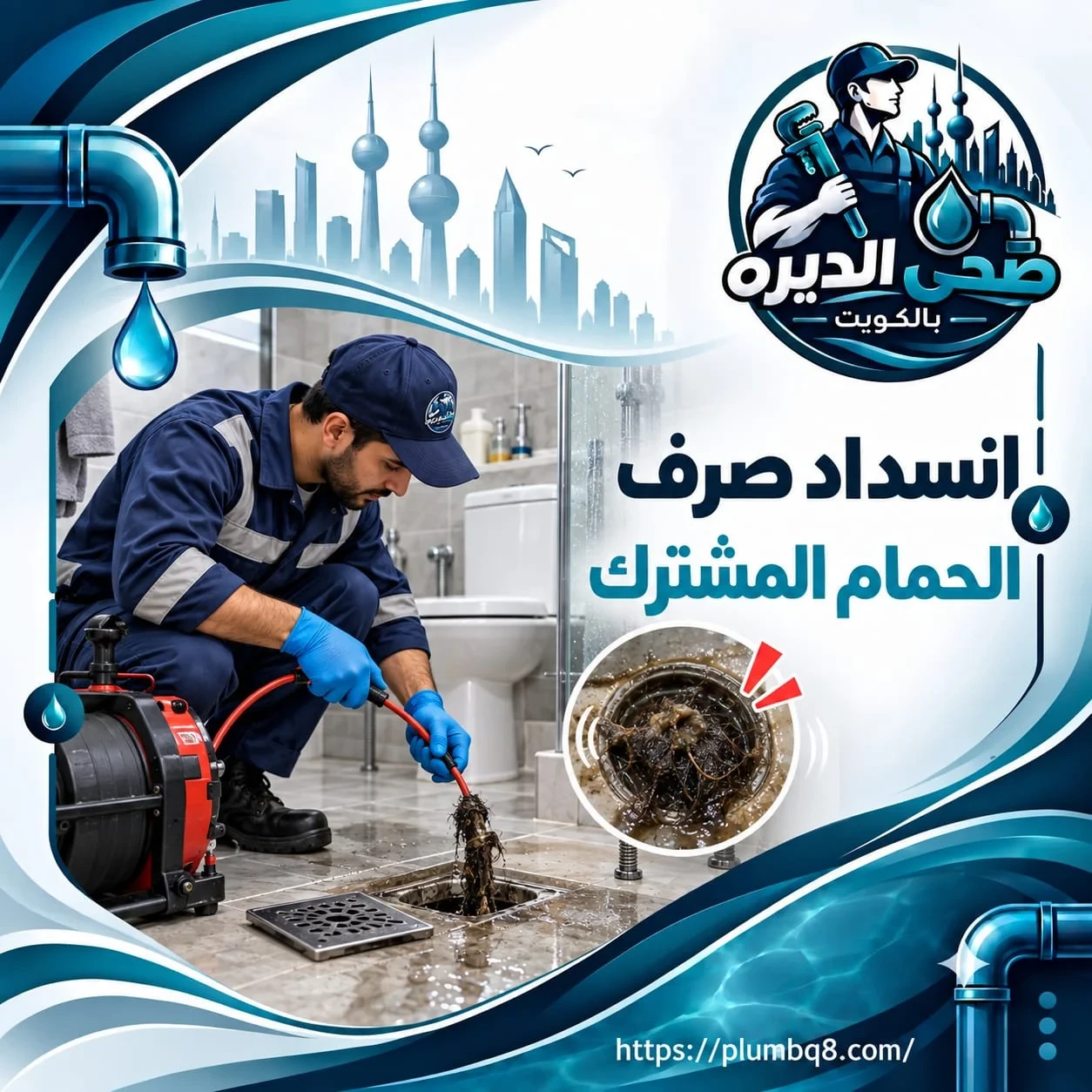
A toilet drain pipe blockage differs from an obstruction inside the toilet bowl because the problem occurs in the pipe that receives wastewater after it leaves the toilet. Depending on the property's drainage layout, this pipe may be connected to other fixtures. As a result, symptoms may appear in more than one location even if the problem initially becomes noticeable at the toilet.
If the pipe carries wastewater from both the toilet and another fixture, you may notice that using one affects the other. For example, running water through a fixture connected to the same drainage route may produce gurgling or cause the water level in the toilet to change. However, these signs only help guide the inspection and cannot independently establish the exact location of the obstruction.
Drainage pipes are designed to carry wastewater toward the designated drainage network, and an obstruction inside the pipe can reduce its ability to handle the flow. Sometimes the blockage is close to the toilet connection, while in other cases it is farther along a branch or shared drainage line. The appropriate access method depends on the obstruction's location and whether suitable cleaning access points are available.
Consider an example: the toilet drains slowly, and after some time wastewater begins emerging from the floor drain when the toilet is used. It would be inappropriate to assume that the problem is limited to the toilet bowl because wastewater backing up from another location may indicate an obstruction in a shared drainage route. The technician needs to understand how the drains connect and identify the affected section before choosing a clearing method.
It is important not to apply excessive force or use unsuitable equipment inside the drainage network. Some older pipes and connections may already be damaged or may not tolerate aggressive procedures. A technician should select the clearing method according to the pipe's condition and accessibility rather than simply attempting to push the obstruction with as much force as possible.
Regarding cost, clearing a toilet drain pipe may differ from clearing the toilet itself because of the length of the drainage route, access requirements, and nature of the obstruction. It is therefore better to establish the scope of work after inspection rather than treating every clogged toilet as an identical service.
-
If more than one drain is affected when the toilet is used, it is important to investigate a possible obstruction in a shared line instead of repeatedly attempting to clear the blockage from inside the toilet alone.
-
If wastewater emerges from the floor drain, stop adding water through fixtures connected to the suspected line to avoid increasing the amount of wastewater backing up into the bathroom.
-
If the obstruction is farther from the toilet outlet, the technician may need to use a suitable drain cleanout rather than attempting to push equipment a long distance through the toilet bowl.
-
If the pipes are old or their condition is unknown, the clearing method should be selected to suit the drainage network so that aggressive treatment does not damage connections or make the problem worse.
-
Once the drainage pipe has been cleared, it is important to test drainage from the affected fixtures and monitor for wastewater backing up to verify that the obstruction causing the problem has been appropriately addressed.
Technician for Unblocking a Clogged Toilet
When you need a technician for unblocking a clogged toilet, your goal should not simply be to make the water disappear from the bowl by any means available. The technician should identify the nature of the obstruction and choose an appropriate clearing method without damaging the toilet or pushing the blockage into a more difficult part of the drainage network. This distinction is particularly important if you have already tried to unblock the toilet yourself without success.
The first thing the technician needs to know is what happened before the blockage appeared. Did the problem begin suddenly after a particular use? Is there a possibility that a foreign object entered the toilet? Had the drainage been gradually slowing down? These details help identify possible causes, but they do not replace inspecting the toilet and any connected drains.
If the obstruction is close to the toilet's internal passage, tools specifically designed for toilet clearing may be appropriate. However, if the symptoms suggest a blockage farther along the drainage line, attempting to clear it from inside the toilet alone may not be sufficient. The technician needs to choose an access method that suits the location rather than using the same tool for every situation.
You should also tell the technician if you have already poured a chemical product into the toilet. Some chemicals may remain in the standing water and create a hazard when clearing tools are used or connections are dismantled. Do not add another cleaning product before the technician arrives, especially if you are unsure what chemicals are already present.
Suppose the toilet became blocked after a small object fell inside, and someone in the household tried to push it through using a long tool. Afterward, the water started draining slowly instead of remaining completely stationary. This does not necessarily mean the problem has been resolved, because the object may simply have moved to another location. Explain exactly what happened so the technician can select the appropriate inspection method.
After the toilet has been unblocked, you should understand what caused the obstruction if the cause can be established, and whether the obstruction was removed, broken apart, or moved from its original position. This information helps you understand whether the problem could return and which materials should not be flushed in the future.
-
If the blockage appeared after a foreign object fell into the toilet, mention the type of object and any previous attempts to remove it because this information may change the clearing method and help prevent the obstruction from being pushed farther into the drainage system.
-
If you used a chemical product before requesting a technician, tell them its name if you know it and when it was used so they can assess the risks associated with handling the water inside the toilet.
-
If the technician proposes using a clearing tool, ask whether it is suitable for the toilet passage and the type of obstruction because unsuitable equipment may scratch the surface or damage internal components.
-
If the problem is recurring, explain how often the blockage has happened and how it was treated previously so the visit does not become another temporary procedure without evaluating the underlying cause.
-
Once the clearing is complete, request an appropriate drainage test and confirmation that no related symptoms appear in nearby drains rather than relying on the water draining successfully just once.
Locating a Toilet Blockage

Locating a toilet blockage is the step that distinguishes a targeted repair from work that may continue without producing a result. The word blockage can describe several possible locations, from the toilet's internal passage to the connected drain pipe or another part of the drainage network. The more accurately the obstruction is located, the easier it becomes to select an appropriate treatment method.
The technician generally begins by reviewing the symptoms and identifying which fixtures are affected. If only the toilet is draining abnormally, the inspection approach differs from a situation where both the toilet and floor drain are affected. The timing of the problem is also important because some obstructions become apparent immediately after flushing, while others appear when a larger volume of water passes through the network.
It is important to remember that the place where wastewater appears is not necessarily the location of the blockage. If water backs up from a floor drain, the obstruction may be farther along the drainage pipe rather than inside that floor drain. It would therefore be inappropriate to open the nearest drain and start clearing it without understanding how it connects to the rest of the network.
Consider a hypothetical situation: the toilet on the ground floor drains slowly, but the problem becomes worse when another bathroom connected to the same drainage network is used. This observation may direct the technician's attention toward a shared section of the drainage system, but it is not enough to establish the obstruction's exact location. The drainage routes need to be understood and tested using an appropriate method.
If the network has a dedicated cleanout that can be accessed safely, it may help the technician inspect or clear part of the pipe without removing the toilet. If the cleanout is unavailable or positioned in a way that does not provide suitable access, the technician must select another method according to the drainage layout and connection conditions.
If the initial inspection cannot establish the blockage location, an additional diagnostic method may be required depending on site conditions. Any further procedure should have a clear purpose rather than involving unnecessary dismantling of bathroom components through trial and error.
-
If only the toilet is affected, this information directs attention toward its nearby drainage route, but it does not prove that the obstruction is inside the toilet without evaluating the other symptoms.
-
If the water level in the toilet changes when another fixture is used, it is important to determine whether the two fixtures share a drainage route before choosing where to begin clearing.
-
If wastewater appears from a drain located away from the toilet, do not assume that the outlet is the blockage location because backed-up water may emerge from a lower point in the drainage network.
-
If a drainage cleanout is available, it may provide a suitable access point in some cases, but its use depends on the pipe direction, obstruction location, and whether it can be accessed safely.
-
If the technician needs additional testing to locate the blockage, ask which section they are trying to assess so that the procedure is connected to a clear diagnostic purpose rather than unnecessary dismantling.
Toilet Bowl Not Draining Water
If your toilet bowl is not draining water, you need to distinguish between two situations. The first is when water rises and remains inside the bowl because an obstruction prevents it from leaving. The second is when the flush itself is weak, even though a blockage in the passage has not been established. This distinction matters because poor flushing performance can make a toilet seem blocked when the problem may actually involve the amount of water released from the cistern or how that water enters the bowl.
With an actual blockage, you will often notice that the water level rises after flushing and then falls slowly or fails to return to normal. However, if the water level does not rise unusually but the flushing action is weak, the technician may need to inspect the cistern mechanism and the volume of water released, taking into account the toilet's type and design.
One mistake is trying to treat every drainage problem by pouring large amounts of water into the bowl. If the passage is genuinely blocked, this may cause an overflow. If the problem involves the flushing mechanism, adding water will not repair the component responsible for operating the flush. It is better to observe the nature of the problem before attempting anything.
Suppose the toilet previously worked normally, but after the cistern was repaired, it began requiring more than one flush to clear waste. In this situation, it makes sense to inspect the flushing mechanism and water level before assuming that the drainage pipe became blocked at the same time. However, if the water rises inside the bowl and remains standing, the diagnostic focus shifts toward assessing the drainage passage.
You should also pay attention to unusual sounds. Some gurgling noises may be related to the movement of air and water inside the drainage system, but they cannot independently identify the cause. The important thing is to consider the symptoms together rather than relying on one sound or the appearance of the water alone.
If the toilet does not drain at all, stop using it and avoid adding more water until it has been inspected, especially when the water level is close to the rim.
-
If water rises inside the bowl and remains there for a long time, do not flush again because the problem may involve an obstruction in the drainage passage and additional water increases the risk of overflowing.
-
If flushing is weak without an unusual rise in water level, the technician may need to assess the cistern mechanism and available flushing volume before assuming that the drainage pipe is blocked.
-
If the problem appeared after the cistern mechanism was repaired or adjusted, mention this timing because the recent change may help direct the inspection toward the flushing system.
-
If the toilet requires several flushes even though water drains normally, do not treat this symptom alone as proof of a blocked drainage pipe because flushing performance depends on several factors.
-
If the toilet has stopped draining completely, it is better to prevent further use and direct household members to another bathroom if one is available rather than risking an overflow of contaminated water.
Unblocking a Toilet Without Removing It
Many homeowners prefer unblocking a toilet without removing it, which is understandable because removing the toilet may require additional time and reassembling certain connections. However, not every blockage can be cleared without removal, and not every situation requires the toilet to be dismantled. The decision depends on the obstruction's location, its nature, and whether it can be reached with a suitable tool.
If the blockage is close to the internal passage and can be approached through the toilet opening, a technician may be able to clear it using a purpose-designed tool without removing the toilet. However, if a solid object is trapped in a difficult location, forcing it farther into the passage may be inappropriate, and the technician may need to assess a safer way of removing it.
It is important to understand that removing a toilet does not necessarily mean the technician lacks the skills to clear it. Sometimes removal is the most suitable way to access a trapped object or inspect a particular connection, but there should be a clear reason for doing so. Conversely, insisting on clearing every blockage without removal can cause additional damage or move the obstruction farther into the drainage pipe.
Consider an example: a child drops a plastic cap into the toilet, after which drainage stops. If the cap becomes trapped in the internal passage and cannot be safely removed using an appropriate tool, the technician may need to remove the toilet to reach it from another direction. However, if the object can be safely retrieved through the opening, removal is unnecessary simply because the toilet is blocked.
In terms of cost, clearing a blockage without removing the toilet may be less complicated in some situations, but the price depends on the type of obstruction, the time required, and the access method. Removing and reinstalling the toilet may involve additional work, particularly if seals or connection components need replacement according to their condition.
After any removal and reinstallation, the toilet should be checked for stability, proper connections, and leakage during use. The two options should therefore be compared according to technical necessity and the desired outcome rather than price alone.
-
If the obstruction is nearby and can be reached with a purpose-designed tool, clearing it without removing the toilet may be appropriate and reduce the need to disturb its connections and base.
-
If a solid object is trapped, do not force it farther into the drainage system simply to avoid removing the toilet because moving it into the pipe may make retrieval more difficult.
-
If the technician recommends removing the toilet, ask why removal is necessary and where the obstruction is suspected so you understand why direct access methods are insufficient.
-
If the toilet is removed, the condition of its seals and connections should be assessed during reinstallation to avoid creating a new leakage problem after clearing the obstruction.
-
If the blockage is cleared without removal, normal water flow should still be tested because success cannot be judged solely by the water level dropping once.
Difference Between a Toilet Blockage and a Drain Pipe Blockage
Understanding the difference between a toilet blockage and a drain pipe blockage helps explain why a technician might begin with a clearing tool inside the toilet in one situation but inspect a pipe or cleanout in another. The fundamental difference is that a toilet blockage occurs within its internal passage or close to its outlet, while a drain pipe blockage occurs farther along the pipework after wastewater leaves the toilet.
However, distinguishing the two based only on symptoms is not always easy. If only the toilet is affected, the obstruction may be nearby. If several drains connected to the same line are affected, a problem in a shared section becomes more likely. Nevertheless, the arrangement of drainage connections differs between properties, so the technician needs to relate the symptoms to the actual network layout.
The causes may also differ. A foreign object may become trapped inside the toilet's curved passage, while accumulated materials or other obstructions may restrict a more distant section of the drain pipe. In some situations, a problem with the pipe's condition or alignment may require further assessment. Not every recurring blockage is therefore caused by the same material or occurs in the same location.
The treatment method also depends on this distinction. A nearby toilet obstruction may be suitable for clearing through the bowl, while a pipe blockage may require access through a cleanout or another appropriate point. Choosing the wrong approach may cause the technician to spend time working on a clear section while the actual obstruction remains elsewhere.
Consider two hypothetical cases. In the first, the toilet stops draining after a small object falls into it, while all other drains work normally. Inspecting the internal passage would be a logical priority. In the second, the toilet overflows at the same time that wastewater backs up from a floor drain connected to the same network. Evaluating the shared drainage line becomes more important before attempting to clear the problem solely through the toilet.
Regarding prices, the difference is not simply the name of the service. Costs are affected by the obstruction's location, access requirements, pipe length, and whether fixtures need to be removed or additional inspection is necessary. The appropriate price can therefore be determined only after establishing what the work actually involves.
-
If the obstruction is inside the toilet's curved passage, a purpose-designed toilet clearing tool may be appropriate, while a blockage farther along the pipe may require a different access point.
-
If several drains are affected, it is worth investigating how the drainage lines connect because the problem may involve a shared section rather than independent blockages at every fixture.
-
If a solid object previously fell into the toilet, the obstruction may be close to the bowl, but its final location cannot be established without inspection, especially if someone has already attempted to push it through.
-
If the drainage pipe needs to be cleared through a cleanout, the pipe direction and affected section should be established before inserting equipment so that the work targets the appropriate location.
-
If the cost of clearing the toilet differs from clearing the drain pipe, ask for an explanation of the work involved because the real difference lies in the inspection scope, access requirements, and method of removing the obstruction.
How to Fix Slow Toilet Drainage
Fixing slow toilet drainage begins before a complete blockage develops because water draining slowly may be an early sign of a restricted passage or poor flushing performance. The mistake is waiting until the toilet stops draining altogether, particularly if the problem is gradually becoming worse or requires several flushes.
The first step is to establish what kind of slow drainage is occurring. Does the water rise after flushing and then fall gradually? Or does the cistern release too little water to create an effective flush? The first situation may indicate resistance in the drainage passage, while the second calls for an assessment of the flushing mechanism. Sometimes more than one problem is present, so a conclusion should not be based on a single symptom.
It is also important to review what is being flushed. Disposing of unsuitable wipes or materials that do not break down easily may increase the risk of blockage. However, if the toilet is being used normally and the slow drainage continues, the problem requires inspection rather than simply changing household habits.
Consider a hypothetical situation: the toilet drains normally most of the time, but after several uses close together, the water level begins rising and falling slowly. This pattern may indicate that the passage cannot handle the flow at the required rate, but an inspection is needed to determine whether the cause is a partial obstruction or another problem in the drainage network.
Another mistake is relying on strong drain-cleaning chemicals whenever the toilet begins draining more slowly. Some products may be unsuitable for toilets or hazardous to the homeowner and technician, particularly if they remain in the water. Avoid mixing cleaning products or attempting to treat the problem with unidentified chemicals.
After slow drainage has been treated, monitor whether the toilet returns to its normal performance during everyday use. If the problem returns shortly afterward, it is better to reassess the cause rather than repeatedly using the same treatment without understanding why the problem persists.
-
If water rises and then falls slowly, the drainage passage deserves inspection because the problem may involve a partial obstruction that becomes more severe over time.
-
If the cistern releases a weak volume of water, the technician may need to assess the flushing mechanism before assuming that a pipe blockage is responsible.
-
If slow drainage appeared after unsuitable materials were flushed, mention this information because it may help identify the obstruction's nature and the appropriate way to deal with it.
-
If you frequently use drain-clearing chemicals, stop mixing them or adding new products and tell the technician what has been used so the situation can be handled safely.
-
If drainage improves after clearing but becomes slow again shortly afterward, it is important to investigate whether a partial obstruction remains or another cause is present rather than automatically repeating the same procedure.
Toilet Blockage Removal in Kuwait
When requesting toilet blockage removal in Kuwait, it is better to explain exactly what you need the service to address. Is water standing inside the toilet? Is wastewater backing up from the floor drain? Does the blockage return after every clearing attempt? These details distinguish a straightforward clearing request from a situation requiring an inspection to identify the obstruction's location first.
Before booking, describe the bathroom's condition without performing experiments that could make the problem worse. If the water level is high, do not flush again. If wastewater has escaped outside the toilet, avoid contact with it as much as possible and keep children away until appropriate treatment and cleaning have been completed. If a chemical product has already been used, tell the technician before work begins.
It is also important to ask what the price includes. Does it cover an inspection of the blockage, clearing the toilet only, or examining the drainage line if the problem is found farther away? Not every situation requires the same tools or amount of time, so a clear agreement helps prevent differences in expectations after the technician arrives.
If the toilet needs to be removed, ask why removal is necessary, how much it will cost, and which reinstallation tasks are required before agreeing. If the blockage can be cleared through a drain cleanout, ask why that access point was chosen instead of working through the toilet. The objective is not to interfere with every technical step but to understand what will be done and why.
With Sehi Al Deira, you can request an inspection of a clogged toilet to determine whether the problem involves the toilet's internal passage or the connected drainage line, based on the symptoms and inspection findings. When contacting the service, explain whether the blockage is complete or partial and whether other drains are affected so that the visit focuses on the actual problem.
After the blockage is cleared, do not simply ask whether the work is finished. Make sure drainage has been tested and ask whether anything requires further attention, particularly if the blockage is recurring or associated with a shared drainage line.
-
When requesting the service, explain whether the toilet has stopped draining completely or whether the water level falls slowly because the nature of the problem helps determine the inspection approach.
-
If wastewater is backing up from another drain, mention where and when it occurs so that a possible blockage in a shared line can be evaluated rather than treating the toilet as an isolated problem.
-
If clearing tools or chemical products have already been used, inform the technician of the available details because previous attempts may affect the obstruction's location or the safety of inspection procedures.
-
Before approving the work, ask whether the price covers clearing the toilet, inspecting the drainage line, and any removal or reinstallation tasks so that the service cost is clear.
-
Once the work is complete, request verification of drainage at the affected fixtures and ask about any observations related to recurring blockages rather than treating water draining once as sufficient proof that the problem has ended.
Conclusion
When a toilet is clogged, the most important step is not using the strongest clearing tool or flushing repeatedly. It is establishing whether the obstruction is inside the toilet or in the connected drain pipe. The location changes the access and clearing method and may determine whether removing the toilet is necessary or whether the problem can be treated from another access point.
If water rises inside the toilet or backs up from a floor drain, stop adding water through the affected fixtures and request an appropriate inspection. With Sehi Al Deira, you can request an assessment to identify the source of the blockage and select a suitable treatment method according to the condition of the toilet and drainage network, with the scope of work explained before repairs and drainage tested afterward.
Frequently Asked Questions About Clogged Toilets and Drainage
How can I tell whether the blockage is inside the toilet or the drain pipe?
If only the toilet is affected while other drains work normally, the obstruction may be close to the toilet. However, if other drains are affected or wastewater backs up from them, the problem may be in a shared drainage line. An inspection is still required because symptoms alone cannot conclusively establish the obstruction's location.
Can I flush repeatedly to clear a toilet blockage?
It is not recommended, particularly if the water level is already high. Repeated flushing may add more water than the passage can drain and cause an overflow. It is better to stop using the toilet until the problem has been identified.
Does every clogged toilet need to be removed?
No. Some blockages can be treated using suitable tools through the toilet opening, while others may require removal to reach a trapped object or inspect a particular connection. The decision depends on the obstruction's location and nature.
Why does water back up from the floor drain when I flush?
This may indicate an obstruction in part of the drainage line connected to both the toilet and floor drain, especially if they share the same route. The technician needs to examine how the pipes connect before determining the blockage location and clearing method.
Can wipes cause a toilet blockage?
Yes. Some types of wipes and other materials unsuitable for flushing may accumulate or become trapped in the passage and contribute to blockages. It is better not to dispose of them in the toilet, even if they disappear from the bowl after flushing.
Are drain-cleaning chemicals suitable for toilets?
Not all products are suitable for toilets, and some may create hazards during use or when a technician handles standing water. Do not mix cleaning products or add unidentified chemicals, and review the product instructions if considering a cleaner specifically intended for this purpose.
Why does my toilet drain slowly even though the water eventually goes down?
There may be a partial obstruction in the drainage passage, weak flushing performance, or another cause requiring evaluation. How the water rises and falls helps guide the inspection, but it is not enough by itself to identify the cause.
How much does toilet unblocking cost in Kuwait?
The cost depends on the obstruction's location and nature, the access method, and whether the toilet must be removed or the drainage pipe inspected. It is better to clarify what the inspection and clearing price includes, along with any additional work, before starting.
What should I do if a toy falls into the toilet?
Do not try to force it through or repeatedly flush, because the object may move into a more difficult section of the drainage system or cause a complete blockage. Tell the technician what the object is, as accurately as possible, so they can choose an appropriate method of handling it.
When should I call a technician to unblock a toilet?
If the toilet does not drain, the water level rises, the blockage keeps returning, or wastewater appears from another drain, requesting a professional inspection is appropriate. Explain all the symptoms before booking so that the toilet and connected drainage line can be assessed according to the situation.
Need help from a plumber?
Related articles
🪠 Bathroom & Toilet Drain Unclogging
Water Backing Up From the Bathroom Drain? Check the Shared Line
 🪠 Kitchen Drain Unclogging
Kitchen Sink Blocked and Water Standing? Locate the Clog First
 🚨 24/7 Plumbing Emergency