Toilet Keeps Running? Fix the Float Valve or Flush Seal

If you keep hearing the toilet cistern refilling or notice a constant stream of water running into the bowl, the problem is not automatically the float valve as many people assume. Sometimes the float or fill valve fails to stop incoming water, while in other cases the tank fills normally but the flush seal does not close tightly, allowing water to leak into the bowl and forcing the cistern to refill again. The difference can usually be understood by watching how the water behaves inside the tank before replacing any part. Proper diagnosis looks at whether the water level rises into the overflow, whether the tank slowly loses water after filling, and whether the fill valve stays open continuously or only starts again from time to time.
Toilet keeps running continuously

When the toilet keeps running continuously, the first step is not to remove the float valve or immediately buy a new flush seal. You first need to determine where the water is going and why the normal cycle does not stop after the cistern fills. The same visible symptom can be caused by more than one component inside the tank.
If the cistern lid is easy to remove without disturbing hidden components, observe the water level. If the water continues rising until it flows into the overflow tube, the problem is more likely related to the fill system or float adjustment. The float may be set too high, the fill valve may not shut completely, or sediment inside the valve may prevent proper closure.
If the tank reaches its normal level, the fill valve stops, and then after a while you hear it start again by itself, internal leakage from the flush side becomes more likely. Water is slowly escaping from the tank into the bowl. Once the level drops far enough, the float opens the fill valve again to replace the lost water.
In some cases, the chain or flush-button mechanism is the real issue. If the chain is too tight or the button mechanism does not fully return, the flush seal may remain slightly lifted and fail to close the outlet completely.
Deposits on the seal or flush-valve seating surface can also prevent proper closure even when the rubber itself is still usable. This is why diagnosis should come before replacement.
In newer cisterns, the flush mechanism may use a cylindrical valve instead of the traditional flapper-style seal, but the principle remains the same: after flushing, the discharge mechanism must return to its seat and close the outlet completely.
-
If the water level keeps rising until it reaches the overflow tube start by checking the float and fill valve before blaming the flush seal
-
If the tank fills becomes quiet and then the fill valve starts again later without anyone using the toilet internal leakage from the flush outlet is a strong possibility
-
A visible stream of water inside the bowl does not identify the failed part by itself because both fill-system faults and flush-seal faults can create similar symptoms
-
A chain or flush-button mechanism that keeps the seal slightly lifted can cause constant water loss even when the seal itself is not torn
-
Observing the water movement for the first few minutes can prevent replacing good parts and makes the repair based on actual behavior rather than guesswork
Toilet float valve does not stop water
When the toilet float valve does not stop water, watch what happens as the cistern reaches its usual filling level. The float is connected to the fill valve system. As water rises, the float moves upward according to its design until the valve should stop the incoming supply.
If the tank reaches its normal level but water continues entering and rises toward the overflow tube, this is a strong sign that the fill system requires inspection. Sometimes the issue is only an incorrect shutoff level. In other cases, sediment or debris inside the fill valve prevents it from closing fully, or the valve itself may be worn.
Older float systems often use a ball on an arm, while newer fill valves commonly have a float that moves vertically along the valve body. Adjustment methods are different, so turning random screws without understanding the design is not a reliable repair.
It is also important to distinguish between a float that moves normally while the valve still fails to close and a float that is physically stuck and cannot rise. In the first situation, the problem may be inside the fill valve. In the second, the float movement or interference from another component may be responsible.
If the valve runs constantly and water is clearly entering the overflow, leaving the problem for several days means water continues to be wasted without providing any benefit.
However, if the float shuts the water off completely, there is no overflow, and then the tank starts refilling again ten minutes later, do not immediately replace the float. In that case, water has probably escaped somewhere else and the float is simply responding correctly by refilling the tank.
This distinction is very important: hearing the float system operate does not prove that the float is faulty. Sometimes it is the final component responding to another leak rather than the original cause.
-
Water continuing to rise after the normal level has been reached points more strongly toward the float or fill valve system
-
A float that moves freely while water continues entering is different from a float that is stuck because the likely failure point changes between the two situations
-
A fill valve starting again after being quiet for several minutes does not by itself prove that it is defective because a leaking flush seal can lower the water level and force it to reopen
-
Float-level adjustment should follow the design of the valve because setting it too high or too low can cause overflow or weak flushing
-
Replacing the fill valve makes sense when the shutoff mechanism itself is confirmed to be failing rather than simply because refill noise is heard inside the bathroom
Toilet flush seal leaks water

If the toilet flush seal leaks water, the cistern is often able to fill normally, but the problem begins after the flush outlet should already be closed. The seal or sealing ring is designed to prevent stored water from flowing into the bowl until the flush button or lever is operated.
Over time, the rubber seal can harden, distort, or collect mineral deposits that prevent it from sitting tightly against the valve seat. The seal may also be in good condition while the chain is too tight and keeps one side slightly lifted.
One of the most useful signs is a water level that gradually falls after the tank has filled even though nobody has used the toilet. Once the level drops enough, the float activates the fill valve and the cistern begins refilling again. This is why users often hear the toilet running periodically and assume the float valve is defective when it is actually replacing water that leaked out through the flush outlet.
A simple diagnostic approach is to observe the water level after filling and temporarily close the toilet’s water supply if the isolation valve is known and easy to use. If the water level continues to fall without any external leakage around the tank or floor, the flush side becomes the main area to inspect.
The sealing surface should also be checked. Replacing the rubber alone may not solve the issue if the valve seat itself has rough deposits or damage that prevents the new seal from closing tightly.
In cylindrical flush systems, the seal may be a circular ring at the bottom of the flush tower instead of a traditional flapper. Using a replacement that does not match the exact diameter or shape can allow leakage to continue even though the part is new.
Adhesives and temporary patching are not a good solution for a flush seal because the part is designed to move and close repeatedly. Once the seal is confirmed to be worn, the correct matching replacement should be installed.
-
A falling tank level after the fill valve has stopped is one of the clearest signs separating flush-side leakage from a float problem that sends water into the overflow
-
A seal may look intact but still leak because hardened rubber slight distortion or deposits prevent it from sitting tightly on the valve seat
-
An overly tight chain can keep the seal lifted so the mechanism should be checked before buying a replacement part
-
A new seal must match the flush-valve design because a similar-looking part does not guarantee a watertight closure
-
Cleaning and inspecting the sealing surface matters when replacing the seal because sometimes the problem is where the seal sits rather than the rubber itself
Reason toilet water keeps running
Identifying the reason toilet water keeps running is easier when you watch one complete cycle from the moment the flush button is pressed until filling should stop. This prevents several possible faults from being mixed together.
After flushing, the cistern level falls and the float opens the fill valve. Water begins entering while the flush outlet should close completely. If water continues entering after the tank is full, attention goes to the fill side. If filling stops and then restarts later, attention moves to water escaping from the tank.
The water level may simply be adjusted too high, allowing water to reach the overflow tube before the fill valve shuts off. In this situation, the valve itself may still be functional, but its shutoff setting is incorrect.
Another possibility is a fill valve that cannot close properly because of internal debris, sediment, or worn components.
On the other side, water may be escaping through the flush seal, the flush-valve seat, or the button and chain mechanism.
There can also be an external leak from tank bolts, washers, or the seal between the cistern and toilet bowl. This is a different situation because water appears outside the toilet rather than only running internally into the bowl.
If the cistern is concealed inside the wall, diagnosis is different from a visible tank because internal parts are normally reached through the service opening behind the flush plate. The system should be identified before unnecessary dismantling is attempted.
The phrase “the toilet is leaking” is therefore not specific enough. You need to know whether the leak is internal or external, whether the tank is overflowing from the top, or whether it is losing water through the bottom.
-
Continuous incoming water above the normal shutoff level points to a completely different fault path from a tank that loses water after filling has stopped
-
A water level adjusted above the overflow height can create constant running even when the flush mechanism itself is functioning correctly
-
External water around the tank or floor requires inspection of connections washers and seals rather than treating it as an internal flush-seal problem
-
A concealed cistern should be accessed through its designed service opening rather than starting with unnecessary wall removal
-
Watching one full flush and refill cycle usually provides more useful diagnostic information than replacing parts based only on the sound of running water
Repairing the cistern float valve

Repairing the cistern float valve first depends on identifying the type of fill mechanism. Older ball-and-arm systems operate differently from modern vertical float valves, so inspection and adjustment methods are not identical in every toilet.
If the float rises but the water does not stop, check whether the fill valve responds to the float movement. If light manual movement toward the shutoff position stops the water but normal float movement does not reach the correct closing point, adjustment may be required according to the valve design.
If water continues to pass even after the float mechanism reaches its full shutoff position, internal wear or contamination within the fill valve becomes more likely.
Small particles and mineral deposits entering with the water supply can interfere with internal sealing surfaces in some valves. However, cleaning methods depend on the specific design, and unknown parts should not be forced apart simply to experiment.
The small refill tube should also be checked to make sure it is positioned correctly according to the cistern design and is not arranged in a way that causes abnormal siphoning or flow behavior.
The float itself may rub against the tank wall or another internal component and fail to move freely. Correcting its position or removing the obstruction can sometimes solve the problem without replacing the complete fill valve.
If the plastic body is cracked, the shutoff mechanism is worn, or the valve still cannot control water after appropriate adjustment and cleaning, replacement becomes more reasonable than repeated temporary repair.
After the work is complete, several flush cycles should be tested and the water level checked each time. One successful fill cycle is not enough to confirm that the fault has been solved.
-
Float repair begins by identifying the fill-valve design because adjustment procedures differ between traditional arm systems and modern vertical mechanisms
-
The float needs free movement without rubbing against the tank wall or flush mechanism so it can reach the correct shutoff position
-
If the float reaches the top of its movement but water still passes through the valve the fault may be inside the fill valve rather than in adjustment alone
-
Sediment should be cleaned according to the valve design because random dismantling can turn a simple issue into the need for complete replacement
-
Several test cycles should be performed after repair because the water level needs to stop consistently at the same point rather than working correctly only once
Replacing the toilet flush seal
Replacing the toilet flush seal is the correct decision when it has been confirmed that water is passing through the flush outlet even though the mechanism has returned to the closed position. Before installing a new seal, however, the valve type and required part must be identified.
Some toilets use a rubber flapper that lifts on a chain. Other models use a circular seal beneath a cylindrical flush tower. Buying a generic “toilet seal” without matching the size and mechanism can result in installing a part that never closes correctly.
After removing the old seal, inspect its condition. Hardened, warped, or cracked rubber supports the decision to replace it. Even if the seal looks normal, the valve-seat surface should still be checked for mineral buildup or rough areas that prevent proper closure.
One common mistake is installing a new seal on a dirty valve seat and then assuming the replacement part is poor quality when the leak continues. The contact surface must be clean and in usable condition.
If the toilet uses a chain, it should be adjusted so it fully lifts the seal during flushing but still leaves enough slack for the seal to sit completely after the flush. A chain that is too short keeps the seal lifted, while one that is excessively long can become tangled in certain mechanisms.
After installation, the tank should be filled and the water level observed. It should then be left for a period to confirm that the fill valve does not restart by itself.
If leakage continues despite a correctly matched seal and clean seating surface, the flush valve body or its tank seal may need further inspection depending on where water is being lost.
-
The seal should be replaced only after identifying the flush-valve type because a cylindrical valve uses a different seal from a traditional flapper mechanism
-
Hardened distorted or cracked rubber supports replacement but leakage can also occur because the sealing surface is contaminated
-
The flush-valve seat should be clean and reasonably smooth before the new seal is installed so it can close properly
-
Chain adjustment is part of the repair because a new seal cannot work if the mechanism keeps holding it away from its seat
-
Continued water loss after installing the correct seal directs attention toward the flush valve or related tank seals rather than replacing the same part again
Plumber to repair a leaking toilet in Kuwait
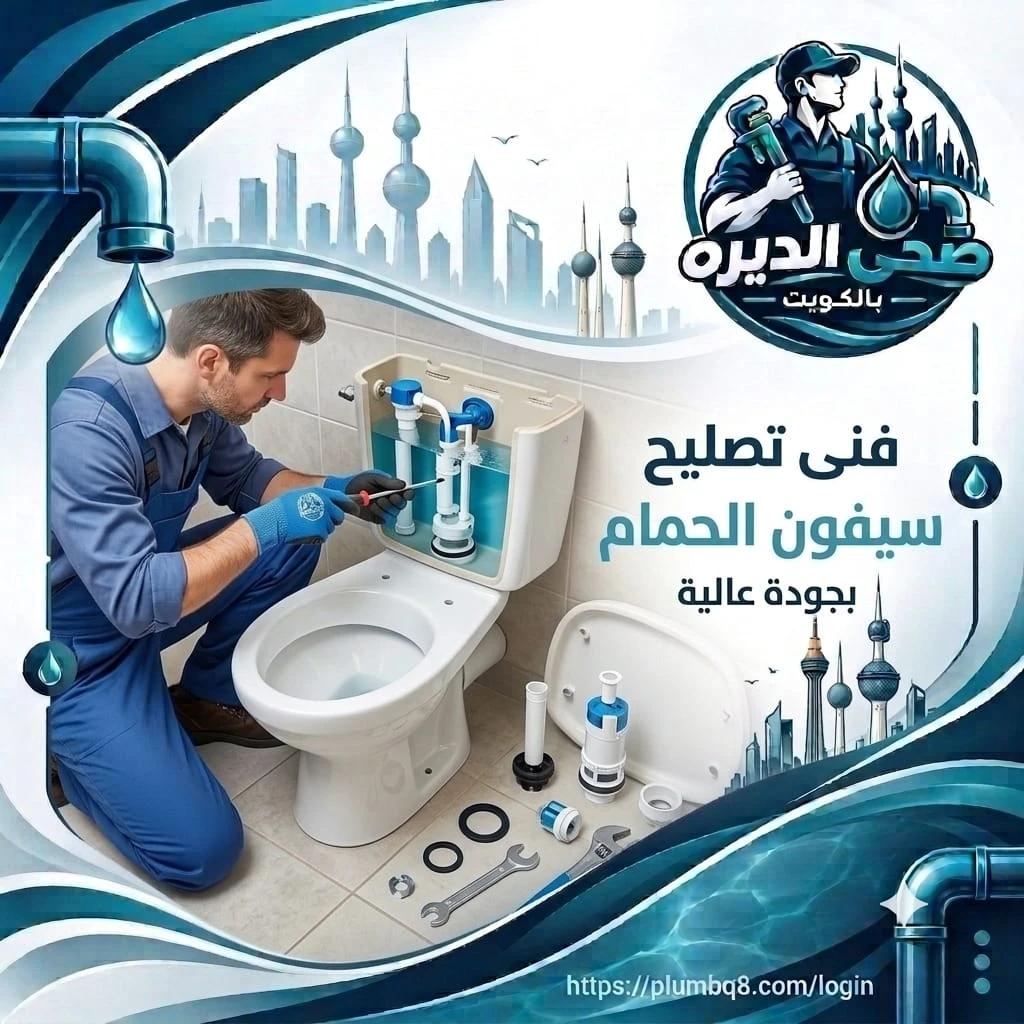
The need for a plumber to repair a leaking toilet in Kuwait becomes clearer when leakage continues after simple observation, when the cistern is concealed, when the flush mechanism is unfamiliar, or when water appears outside the tank.
A good plumber should not begin with a prepared list of parts to replace. The first step is to run a complete flush cycle and watch filling, shutoff, overflow level, and water loss. This shows whether the water is being lost through the fill side or the flush side.
If the problem is related to the float, the technician checks its movement, the fill valve, and shutoff level. If the problem is on the discharge side, the seal, valve seat, chain, or button mechanism should be inspected.
More than one fault can exist at the same time. An older cistern may have both a weak fill valve and a worn flush seal. Repairing only one part may reduce the symptoms without eliminating them, which is why post-repair testing is important.
The technician also needs to identify the valve design and part size before replacement because toilet cistern components are not universally interchangeable.
With concealed cisterns inside a wall, proper access through the service opening behind the flush plate is particularly important. A simple internal repair should not turn into unnecessary wall damage.
From a cost perspective, one fixed repair price cannot be given accurately without knowing the cistern type, the failed component, and whether the job requires adjustment or complete part replacement. Proper pricing should follow diagnosis.
The main advantage of professional inspection is that it separates fill faults from discharge faults and internal leaks from external leaks instead of replacing one component after another by trial and error.
-
A plumber should begin by observing a full flush cycle because the sequence of water movement usually reveals the fault before many parts are removed
-
The type and size of replacement components should be confirmed before installation so a temporary close-enough part does not create another leak
-
Two faults can exist in the same cistern especially in older systems so both filling and discharge should be tested after repair
-
A concealed cistern should be reached through the designed service opening rather than assuming that every problem requires opening the wall
-
Repair cost depends on the failed part system type and scope of work so diagnosis should come before judging the price of the component or service
Toilet cistern keeps filling and draining
When the toilet cistern keeps filling and draining without anyone pressing the flush button, that is a strong sign that water is leaving the tank and the fill system is replacing it. The key question is whether the tank is losing water through the flush outlet or whether the water level is simply rising into the overflow.
If you hear a clear cycle where the tank fills, becomes quiet for a period, and then starts filling again, water is probably leaking during the quiet period. In this case, the flush seal or flush valve should be inspected.
If there is no quiet period and water keeps entering continuously while flowing into the overflow tube, attention moves toward the float, fill valve, and shutoff level.
The problem can also be mixed. A slow flush-seal leak may cause the fill valve to run for only a few seconds every so often instead of running continuously. The pattern of the sound itself therefore provides useful information.
Constant movement of water inside the toilet bowl without a flush is another indication that water is entering the bowl. However, determining whether that water is coming from the overflow or leaking beneath the flush seal requires looking inside the cistern.
If the tank loses a large amount of water quickly after every refill, the flush seal may not be closing at all because of an obstruction, chain tension, or incorrect position.
A very slow leak may be difficult to see directly but becomes obvious through repeated refill cycles over the course of the day.
Leaving the problem unrepaired wastes water and makes the fill components operate far more often than necessary.
-
Repeated refill cycles separated by quiet periods usually indicate water leaving the cistern rather than a fill valve that is continuously open
-
Continuous incoming water combined with overflow directs diagnosis toward the float fill valve or level adjustment
-
The speed at which the tank loses water helps show whether the flush outlet is significantly open or whether the leak is slow at the sealing surface
-
Watching the bowl and cistern together helps distinguish overflow water from leakage beneath the flush valve
-
Continuous cycling throughout the day is not just an annoying sound because it also means unnecessary water use and repeated operation of the fill mechanism
Identifying a toilet float valve fault
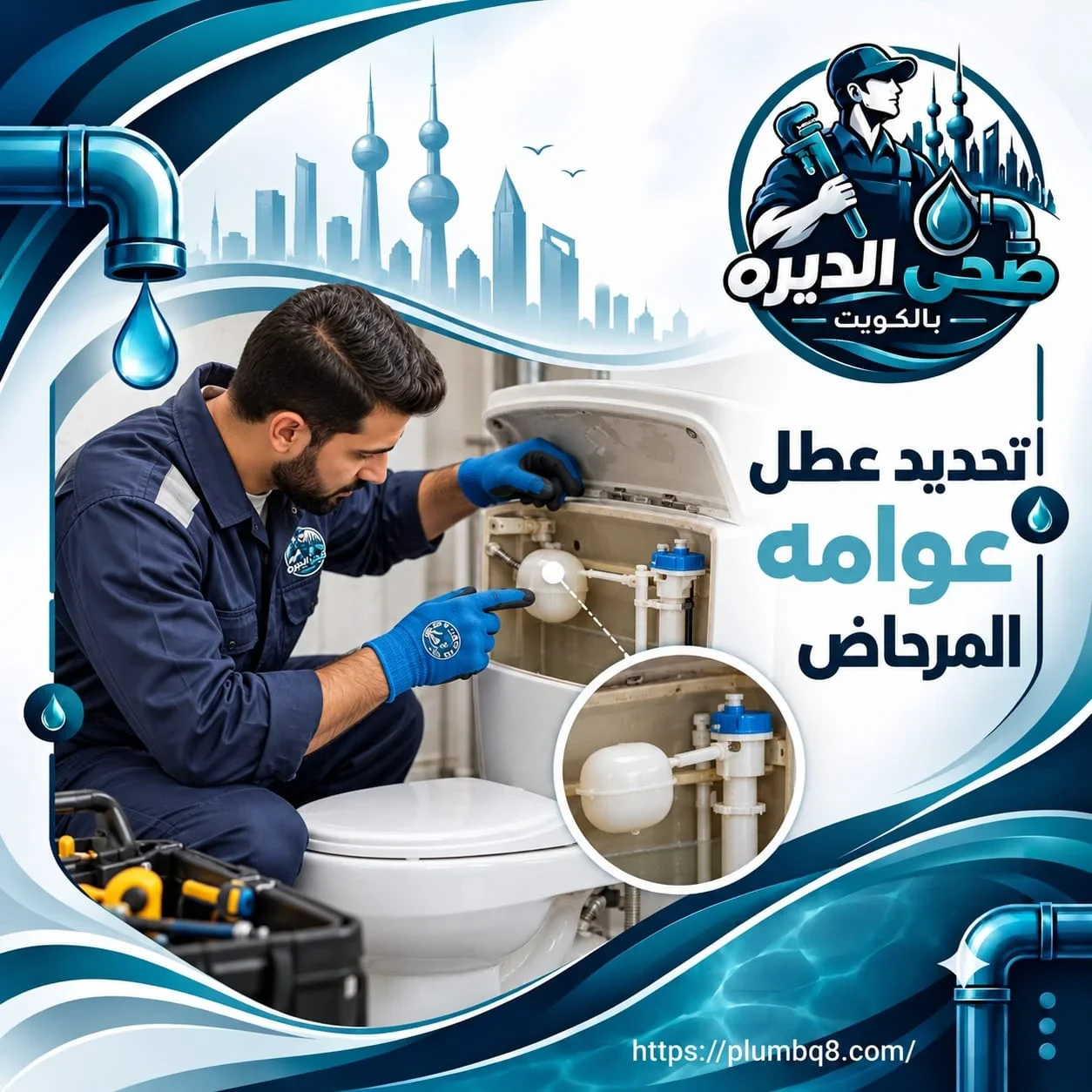
Identifying a toilet float valve fault requires more than simply seeing the float move. The important question is whether that movement produces the correct response from the fill valve.
After flushing, the float remains low and the valve allows water into the cistern. As the water level rises, the float should move progressively until the valve closes before the water reaches an unsuitable level.
If the float reaches the normal closing position but water continues flowing, a fault inside the fill valve becomes more likely. If the float never reaches that position because it is stuck or touching another component, the problem may be movement or adjustment rather than the internal valve.
If the shutoff level is set too high and water reaches the overflow before the valve closes, the water level should be adjusted to the correct range for the mechanism.
It is equally important to check what happens after the valve shuts. If the water level then falls, the float is not causing the refill cycle; it is merely responding correctly to water lost through the flush side.
Some people tie the float down or hold it in a fixed position to silence the water temporarily. This is not a repair and can prevent the filling system from working normally.
Randomly bending arms, cutting components, or adding improvised ties is also not recommended when the valve has a proper adjustment mechanism. Incorrect modification can prevent the tank from reaching the correct operating water level.
A proper float diagnosis should identify the actual issue: restricted movement, incorrect level adjustment, a valve that does not respond, or a leak elsewhere that keeps activating the float.
-
Float movement alone does not prove the system is healthy because the important question is whether the fill valve closes reliably at the correct water level
-
A float that reaches the shutoff position while water continues flowing is different from one that cannot move freely
-
Water reaching the overflow before shutoff suggests a fill or adjustment problem while water dropping after shutoff points more toward the flush side
-
Holding the float in place to stop the noise treats the symptom temporarily but prevents normal filling operation
-
Accurate diagnosis distinguishes between adjustment cleaning valve replacement and a completely separate leak rather than calling every problem a float fault
Repairing an internal toilet leak
Repairing an internal toilet leak starts by identifying the route water takes from the cistern into the bowl. An internal leak means water is being lost into the toilet itself without appearing on the bathroom floor, so it can continue for a long time before anyone notices anything other than repeated refill noise.
The first possible route is through the overflow tube because the fill valve continues operating or the water level is set too high. The repair then focuses on why the fill valve does not stop correctly or on correcting the level adjustment.
The second route is through the bottom of the tank at the flush seal or flush valve. In this case, the cistern fills normally, but water escapes into the bowl until the level drops and the fill valve opens again.
The third route can involve the flush-button mechanism or chain if it prevents the discharge valve from returning fully to its closed position.
Once the route is identified, only the component responsible should be repaired, followed by proper system testing. Good testing means more than pressing the flush button once and leaving. Several cycles should be performed, then the cistern should be left undisturbed to see whether the water level remains stable and whether the fill valve starts again by itself.
If the flush side is repaired but water still reaches the overflow, there may be a separate fault on the fill side. The opposite can also happen: the float may be adjusted correctly while the tank continues refilling because the flush seal still leaks.
In some older cisterns, replacing the complete fill or flush mechanism can be more practical than chasing several worn internal pieces, but that decision depends on the condition of the system and availability of correctly matched parts.
The goal of repair is not only to silence the sound. The cistern should return to a normal cycle: empty during flushing, refill once, shut off, and then maintain a stable water level.
-
Repair begins by identifying whether water reaches the bowl through the overflow or through the flush valve because each path involves different components
-
Leaving the tank undisturbed after repair helps reveal slow leakage that may not be visible during the first minute of operation
-
Continued symptoms after repairing one component can indicate a second fault rather than automatically meaning that the new part is defective
-
The flush button and chain should be included in the inspection because they can hold the discharge valve open even when the seal itself is still usable
-
A successful repair restores the normal cycle so the tank fills once after flushing then maintains a stable level without repeated refilling
Conclusion
When the toilet keeps running, do not begin by buying a new float valve or flush seal before watching how the water behaves inside the cistern. If the level rises into the overflow and filling does not stop, the most likely path involves the float, fill valve, or water-level adjustment. If the cistern fills normally, then slowly loses water and starts refilling by itself, attention should move toward the flush seal, valve seat, or flush mechanism.
This simple distinction prevents unnecessary part replacement and makes the repair faster and more accurate. If the cistern is concealed, the leak continues after adjustment, water appears outside the tank, or several faults seem to be present at the same time, having a plumber inspect the system is safer and more practical than trying one part after another.
A toilet cistern is not as mysterious as it looks. It basically performs two jobs: it fills and shuts off, then opens and discharges when you flush. Once you identify which step of that cycle has failed, you know where to begin instead of putting every component inside the tank on trial.
Frequently Asked Questions
How do I know whether the problem is the float or the flush seal?
If the water keeps rising and enters the overflow tube, the problem is more likely related to the float or fill valve. If the tank fills and stops, then loses water and starts refilling again, the leak is more likely on the flush side.
Why does the toilet refill by itself when nobody uses it?
Usually because some of the stored water is leaking into the bowl, lowering the tank level and causing the float valve to open again to replace the lost water.
Does every continuous toilet-running sound mean the float valve is damaged?
No. Refill noise can be caused by a leaking flush seal that makes the float system operate normally to replace lost water.
Can a toilet flush seal leak even when it is not visibly torn?
Yes. The seal may harden, warp, or sit on mineral deposits that prevent full closure even when there is no obvious tear.
Can adjusting the float stop constant water flow?
It can solve the problem when the shutoff level is too high or the float does not close the fill valve at the correct level, but it will not repair water leaking through the flush seal.
Why does water enter the overflow tube?
The float level may be adjusted too high, or the fill valve may fail to close properly after the cistern reaches its normal level.
Should I replace the float valve and flush seal together?
Not necessarily. Both should be replaced only when diagnosis confirms a real problem in each component or when the overall condition of the cistern justifies doing so.
Can the chain cause a toilet leak?
Yes. If the chain is too tight, it can hold the flush seal slightly open. If it becomes tangled, it can also prevent the mechanism from returning to the closed position.
Does an internal toilet leak appear on the bathroom floor?
Usually not. Internal leakage moves from the cistern directly into the toilet bowl. If water appears outside the toilet, external seals, bolts, connections, and other leak points should be inspected.
When should I call a plumber to repair the toilet?
Call a plumber when you cannot identify the source, the leak continues after adjustment, the cistern is concealed, water appears outside the tank, or the fill or flush mechanism requires replacement and the correct part or procedure is unclear.
Need help from a plumber?
Related articles
 💧 Supply Line Leak Detection
Water Bill Suddenly Higher? Detect Water Loss Before Repairs
 🔧 Tap & Mixer Leak Repair
Water Dripping From the Ceiling? Find the Source Before Opening
 🪠 Bathroom & Toilet Drain Unclogging