Repair or Replace Your Water Pump? Decide After Inspection

Is your water pump making unusual noises, shutting off unexpectedly, or delivering less water pressure than before? Not every malfunction means you need to buy a new pump. At the same time, not every old pump is worth repairing. The right decision depends on the type of fault, the motor's condition, the availability of replacement parts, and the repair cost compared with replacement. Sometimes the problem is caused by a minor component outside the pump, while other situations involve serious internal damage that makes replacement more economical in the long run. This article explains how to distinguish between these situations, what a technician should inspect before recommending repairs or replacement, and how to choose the most suitable solution for your home without unnecessary expenses.
Repairing or Replacing a Water Pump

Choosing between repairing or replacing a water pump is not a decision that should be made simply because the pump has stopped working or the water pressure has become weaker than usual. A water pump is part of a larger system that includes the water supply, pipes, electrical connections, and control devices. A problem with any of these components can make the pump appear defective even when its motor is functioning correctly. That is why the first step is to identify the actual source of the fault before considering a new pump.
Consider a situation where a home's water pump starts switching on and off repeatedly. The homeowner might assume that the motor has reached the end of its service life. However, this symptom may be associated with a leak in the plumbing network, a pressure sensor problem, or an issue with the pressure tank if one is installed. In such a situation, replacing the entire pump will not solve the problem if the external cause remains. The technician needs to examine the operating conditions and determine whether the fault is inside the pump or in one of the connected components.
In another situation, the pump continues operating but begins producing a rough noise accompanied by unusual vibration. The technician should evaluate the mechanical components, mounting condition, and operating circumstances because noise alone does not prove that the entire motor is damaged. Some faults can be repaired if suitable replacement parts are available and the pump housing remains in a condition that allows continued operation.
However, if testing confirms extensive damage to the motor windings or serious deterioration of internal components, repairing the pump may involve considerable expense or work that cannot reliably restore the required performance. In this situation, comparing the repair cost with the price of a suitable replacement pump becomes reasonable, taking the equipment's age and overall condition into account.
A common mistake is purchasing a replacement pump with the same power rating printed on the old unit without confirming that it is suitable for the system. Pump selection depends on the required flow rate, pressure, pumping head, and suction conditions, not motor power alone.
The appropriate decision should follow an inspection that identifies the confirmed fault, required components, and expected costs. This allows you to understand whether repairing the existing pump is worthwhile or whether replacement offers better value.
-
If the pump stops suddenly, do not rush to purchase a new unit before checking the electrical supply, control devices, and water availability because the problem may be entirely outside the pump housing.
-
If the pump switches on and off rapidly, the pressure control system and possible leaks should be assessed before blaming the motor because replacing the pump will not correct a fault elsewhere in the plumbing network.
-
If unusual noises or vibrations appear, their source and the condition of the mechanical components should be identified before deciding on replacement because some problems can be repaired.
-
If repairing the pump requires expensive components or extensive internal work, compare the total expense with the pump's overall condition and the price of a suitable replacement instead of spending a large amount on deteriorating equipment.
-
If you decide to purchase a new pump, do not rely on motor power alone because proper selection requires considering operating pressure, flow rate, pumping head, and the requirements of the home's water supply network.
When Does a Water Pump Need Replacement?
Understanding when a water pump needs replacement depends on identifying clear signs that repairing it would no longer be practical or economical, rather than relying on its age alone. Some pumps operate for years and remain serviceable, while newer pumps may suffer serious damage because of unsuitable operating conditions. The technician should therefore examine the equipment's actual condition before recommending a replacement.
One situation worth considering is extensive damage to essential pump components, especially when the cost of repairing them is high compared with the pump's value and overall condition. For example, if motor winding damage is confirmed along with deterioration of important mechanical parts, repair may become complicated and expensive. However, an electrical fault by itself does not always mean that the entire pump needs replacement.
If the pump housing is damaged in a way that affects its integrity or ability to contain water, the technician should assess whether repair is possible according to the equipment's design. Leakage from an external connection is completely different from damage to the pump housing itself. The source of the water must therefore be identified before declaring the pump unsuitable for continued use.
Consider an older pump that has undergone several repairs within a short period, with a different component failing each time. In this situation, calculating only the cost of the next repair is not enough. It is better to review previous expenses, the pump's remaining condition, and the possibility that additional work may be needed. Replacement may sometimes be the better option, but the decision should be based on actual figures rather than assumptions.
Another situation arises when the existing pump is no longer suitable for the home's requirements after changes to the plumbing network or the addition of new water outlets. If its operating capacity does not match the required pressure and flow rate, repairing its components will not turn it into a suitable pump. The appropriate solution may be to select different equipment according to the system's requirements instead of continuing with repeated maintenance.
However, weak water pressure is not direct proof that replacement is necessary. The cause could be a clogged filter, a problem with the water source, leakage, or a control malfunction. These possibilities should be investigated before concluding that the pump needs replacement.
The replacement decision should ideally be based on inspection findings that explain which components are damaged, what can be repaired, and how much each option costs. This helps prevent spending money on an entirely new pump because of a limited fault.
-
If extensive motor damage is confirmed along with additional internal problems, replacement may be more economical than performing several expensive repairs.
-
If the pump housing itself is damaged in a way that affects safe operation or water containment, the possibility of repair must be professionally evaluated before the equipment continues operating.
-
If different components have failed repeatedly within a short period, previous and expected maintenance expenses should be calculated and compared with the price of a suitable replacement pump.
-
If the home's requirements have changed and the existing pump can no longer provide the required pressure and flow, replacing it with a model selected for the plumbing network may be more appropriate than repairing equipment that cannot meet current demand.
-
If weak water pressure is the only reason you are considering replacement, the water source, filters, connections, and control system should be checked first because low pressure alone is insufficient evidence of pump failure.
Can the Water Pump Be Repaired or Should It Be Replaced?

The question of whether a water pump can be repaired or should be replaced requires an answer based on the type of malfunction and how it may affect the equipment's remaining service life after repair. There is a difference between a pump that needs one specific component replaced and a pump with several damaged parts that make restoring normal performance difficult or expensive. The objective is not to choose repair automatically because it appears cheaper or replacement because it seems easier. The objective is to identify which option provides a suitable result for the money spent.
One of the first considerations is whether the problem involves a component that can be accessed and replaced independently. Depending on their design, some pumps contain serviceable components such as control parts, seals, or certain mechanical elements. However, replacement part availability and the possibility of correct installation vary between models. It would therefore be incorrect to assume that every pump supports the same repairs.
Consider a pump leaking a small amount of water near its housing. If the cause is a loose external connection, the repair may be relatively limited. However, if the leak originates from an internal mechanical seal, the technician needs to assess the seal, shaft condition, and surrounding components. If the pump housing itself is cracked, the situation is completely different and repair options may be limited.
The motor's condition is another important factor. If it operates normally and testing confirms that the fault is limited to a separate component, repair may be appropriate. However, if signs of serious electrical or mechanical damage appear, the extent of the problem and the cost of restoring safe operation must be assessed before making a decision.
It is important not to accept statements such as "the pump is finished" without a clear explanation. The technician should identify the damaged component, explain whether a replacement part is available, and establish whether repairing it makes economic sense compared with the equipment's value. The same fault may be worth repairing in one pump but not in another.
An older pump with a generally good condition and available replacement parts does not necessarily need replacement simply because it has been used for several years. Conversely, a relatively new pump may require replacement if it suffers serious damage that cannot be repaired economically.
Ultimately, the comparison should include parts, labor, the pump's expected condition after repair, and its suitability for the home's requirements, rather than merely comparing the price of one component with that of a new unit.
-
If the fault is limited to a replaceable component and the rest of the pump is in good condition, repair may be appropriate provided that a compatible part is available and operation can be tested after installation.
-
If water leaks from an external connection, it must be distinguished from an internal mechanical seal leak or damage to the pump housing because each situation requires a different treatment and affects the repair decision.
-
If signs of motor damage appear, the electrical or mechanical nature of the fault and the repair cost should be assessed instead of declaring the entire pump defective simply because it has stopped rotating.
-
If the technician recommends replacing the entire pump, you should understand which component is damaged and why repairing it is unsuitable so the purchasing decision is based on a clear reason.
-
If the pump is old but still meets the plumbing network's requirements and suitable parts remain available, age alone should not justify replacement before its actual condition and repair cost have been evaluated.
Water Pump Inspection Technician in Kuwait
When you request a water pump inspection technician in Kuwait, the visit should provide more information than simply listening to the pump and declaring that it needs replacement. A useful inspection identifies the actual source of the problem and establishes whether the fault is in the pump, electrical supply, control system, or connected plumbing. Purchasing a new pump without identifying the cause can lead to a significant expense while the same problem returns after installation.
The first thing the technician needs to understand is the pump type, operating method, and installation location. Is it a pressure booster pump serving the home? Is it used to transfer water from one tank to another? Does it operate directly or through a pressure control device? These details matter because the inspection procedure varies according to the pump's purpose and the system's design.
Consider a homeowner who reports that the pump operates only occasionally. Before concluding that the motor is damaged, the technician should review electrical supply conditions, operating signals, and protective devices, recognizing that some faults occur intermittently. It is also important to establish whether the problem happens when a particular faucet is opened or affects every water outlet. This information helps narrow down the fault.
Inspection may also involve observing visible leaks, unusual vibration, or signs of overheating. However, these observations alone are insufficient to identify the defective component. If electrical measurements or opening parts of the pump are necessary, the work must be performed by a qualified person after safely isolating energy sources and addressing water pressure.
The technician should not begin dismantling the motor before reviewing the available basic information. Sometimes a failure to operate is caused by an external control device. In that situation, dismantling the pump may add no value if the fault has already been identified in a separate component.
After the inspection, you should receive an explanation of what requires repair, the pump's general condition, and whether more than one option is available. If replacement is recommended, you should understand why repair is not worthwhile before agreeing to purchase a new unit.
-
When requesting a home water pump inspection, explain the pump's purpose and when the malfunction occurs because pressure booster pumps operate under different conditions from pumps that transfer water between storage tanks.
-
If the pump stops intermittently, describe when the shutdown occurs and how it relates to water usage so the control system and electrical supply can be evaluated instead of automatically assuming motor failure.
-
If the pump produces unusual noises, its mounting condition, mechanical components, and operating circumstances should be assessed before identifying the noise source or recommending equipment replacement.
-
If internal electrical inspection is necessary, measurements must follow appropriate safety procedures because the pump combines electricity and water, and the system may contain pressure that requires safe release.
-
If the inspection ends with a recommendation to purchase a new pump, request an explanation of the confirmed fault and possible repair costs so you can compare the options using actual information.
Assessing the Condition of a Home Water Pump
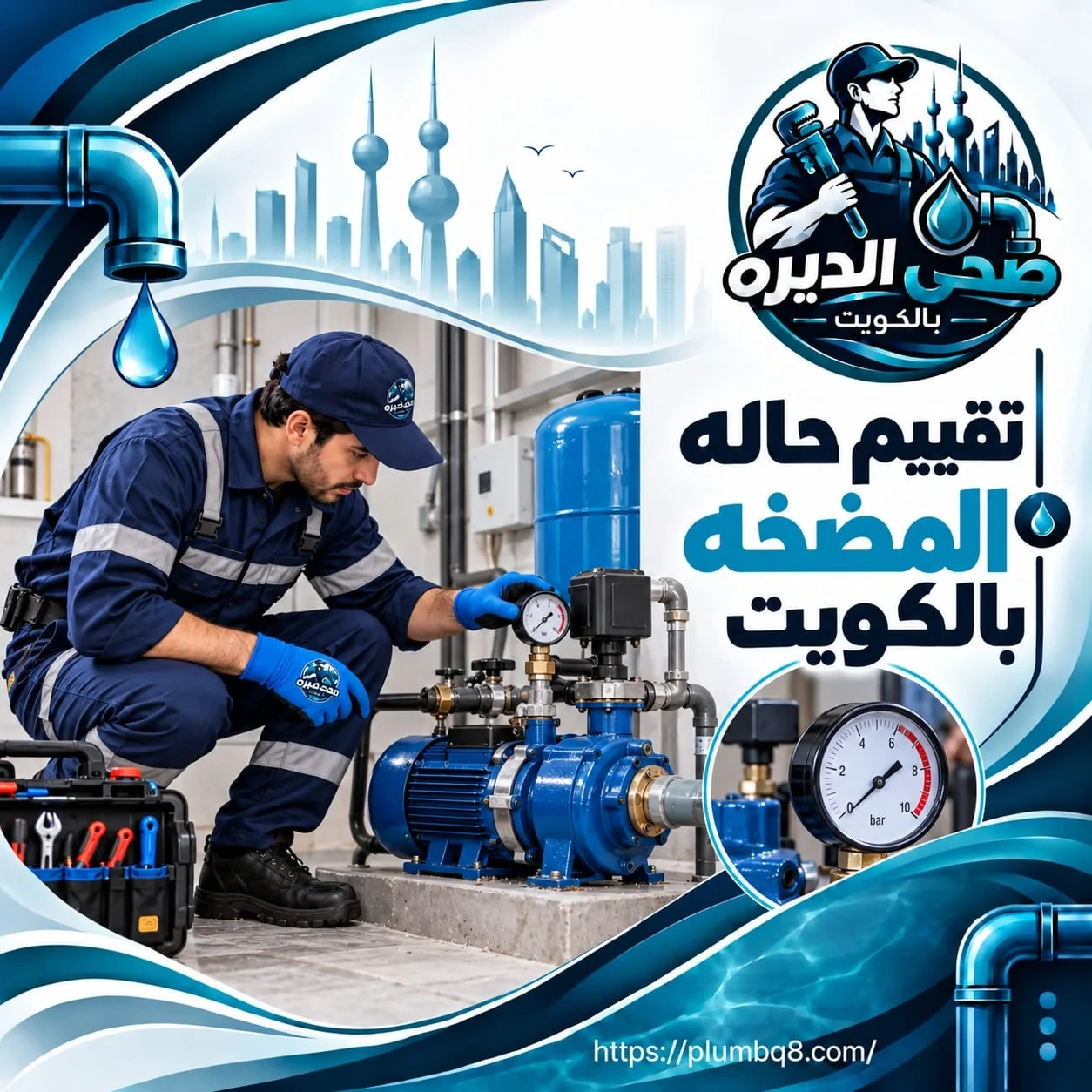
Assessing the condition of a home water pump is different from diagnosing its current malfunction. A pump may be repairable today while other components are deteriorating, making continued ownership increasingly expensive. The equipment should therefore be evaluated as a whole, particularly if it has been used for years or has undergone several previous repairs.
One of the first areas to examine is the external condition of the pump housing, mounting base, and nearby connections. Surface rust does not necessarily mean that the equipment is no longer usable, but severe corrosion or signs of persistent leakage may require closer evaluation. Vibration caused by unsuitable mounting can also affect operation, although it is not sufficient evidence of internal component damage.
The second consideration is actual performance compared with the plumbing network's requirements. If the pump operates but does not provide the necessary pressure or flow, the technician needs to establish whether performance has declined because of an internal fault or because the system's operating conditions have changed. For example, adding another floor or increasing the number of water outlets may make an older pump unsuitable even though it still operates.
Consider a pump that has been used for several years and has had some components replaced previously, but currently delivers acceptable performance without leakage or unusual noise. In this situation, age alone is not a sufficient reason for replacement. However, if repairs become increasingly frequent and several signs of deterioration appear, comparing continued maintenance with purchasing a replacement becomes more important.
The availability of suitable replacement parts is another factor. Some pumps can technically be repaired, but if the required component is unavailable or expensive to obtain, the economic value of repair may decrease.
It is also important to distinguish the pump's overall condition from the condition of external accessories. A defective pressure sensor or separate operating switch does not necessarily mean that the pump housing and motor require replacement, particularly when inspection confirms that they remain serviceable.
The final assessment should explain whether the pump can continue operating after a specific repair or whether its general condition makes replacement worth considering. It should not promise a guaranteed remaining service life that cannot be established through inspection alone.
-
If an older pump continues performing its function adequately, its actual condition should be assessed rather than deciding to replace it solely because of the number of years it has been used.
-
If corrosion or persistent leakage appears on the pump housing, the effect on operating safety and the possibility of repair should be determined instead of treating every sign of rust as proof that replacement is necessary.
-
If pump performance declines after household water consumption increases, the plumbing network's current requirements should be compared with the pump's specifications before concluding that an internal fault exists.
-
If several repairs have already been performed, reviewing the types of faults and their costs can help establish whether they were independent problems or signs of increasing equipment deterioration.
-
If the required replacement parts are unavailable or disproportionately expensive, choosing a replacement pump compatible with the plumbing system may be more practical than waiting for a repair with uncertain costs.
Water Pump Repair Cost Versus Replacement Cost
Comparing water pump repair cost versus replacement cost involves more than looking at the repair quotation and the price of a new pump. Each option has different expenses, and a sound financial decision should account for parts, labor, installation, and any necessary modifications. The pump's condition after repair and its suitability for continued use must also be considered.
Suppose the technician identifies a fault in a component that can be replaced independently, while the rest of the pump remains in good condition. In this situation, repair may cost less than purchasing and installing a new unit. However, if the pump needs several components and also has a problem with the motor or housing, the total repair cost may increase enough to make replacement worth considering.
One mistake is comparing the price of a replacement part alone with the price of a new pump. Repair may require dismantling components, reinstalling them, and testing operation. Replacement, meanwhile, may involve modifying connections, the mounting base, or certain accessories if the new pump differs from the existing one. The comparison should therefore consider the total cost of each option.
It would also be incorrect to assume that a new pump will always consume less electricity. Energy consumption depends on equipment efficiency, operating conditions, and how the pump is controlled. Results vary between models. If operating efficiency is part of the purchasing decision, reliable performance information should be compared for pumps designed to perform the same task.
The cost of being without a working pump can also influence the decision. In some homes, interrupted water pumping creates a significant inconvenience. However, the speed of repair or replacement depends on the availability of parts and suitable equipment, so neither option can automatically be described as faster.
Prices in Kuwait vary according to pump type, capacity, model, fault, and the work required. A fixed price should not be stated before inspection, especially when the cause of the problem is still unknown.
-
If the fault involves one replaceable component, compare the combined cost of the part, labor, and testing with the price of a suitable new pump rather than relying on the component's price alone.
-
If repair requires several parts or extensive internal work, request a clear total quotation and compare it with replacement so expenses do not gradually increase without a calculated decision.
-
If you choose a new pump, include installation costs and any necessary changes to connections or control devices because the equipment's purchase price is not always the final expense.
-
If electricity savings are one reason for replacement, compare performance and efficiency data for pumps suitable for the same operating conditions rather than assuming that every new model consumes less energy.
-
If pump downtime significantly affects the household, establish parts availability and the expected work involved for each option before deciding, without relying on unverified promises.
Water Pump Problems That May Require Replacement
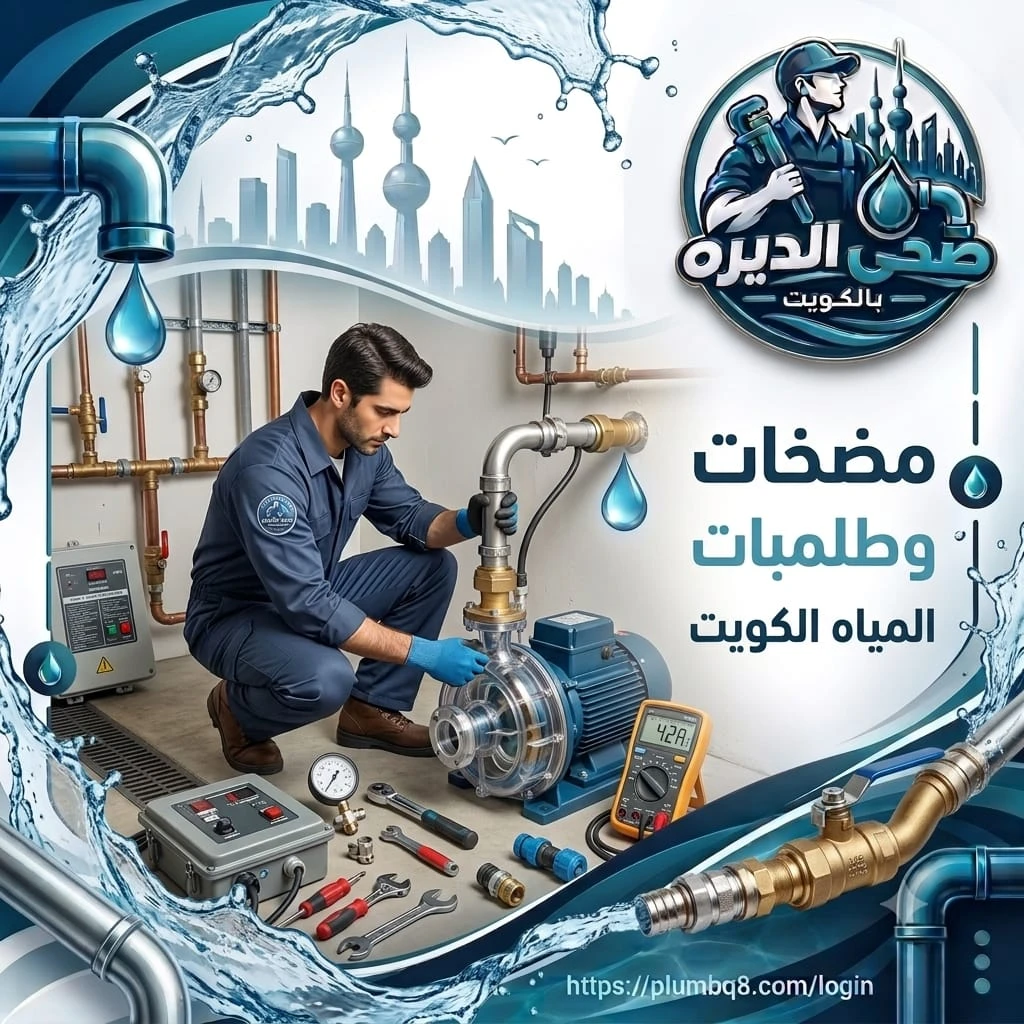
Not every malfunction that stops a pump belongs to the category of water pump problems that may require replacement. Some faults can be corrected by changing a specific component, while others involve extensive damage or repairs that are difficult to complete safely and economically. The difference cannot be determined from pump noise or shutdown alone. It requires inspection findings and an assessment of essential components.
One situation that may make replacement appropriate is serious damage to the motor windings, particularly when additional problems make repair uneconomical. However, if the fault is limited to a separate electrical component that can be replaced correctly, the entire pump may not need to be changed.
If the pump housing is cracked or damaged in a way that affects water containment or operating safety, the technician must assess the extent of the damage. Repairing a leak from a connection or seal is different from addressing damage to the pump housing itself, and some types of damage may make replacement the more appropriate option.
Consider a pump that has operated under unsuitable conditions for a long period, after which the motor no longer rotates normally and signs of overheating appear. In this situation, the internal damage must be assessed, along with the cause of the unsuitable operating conditions. Installing a new pump without correcting the cause could expose the replacement equipment to a similar problem.
Another important situation involves extensive mechanical damage affecting several major components. If the cost of parts and refurbishment is high compared with a suitable replacement, repair may offer limited value, particularly when additional deterioration is present.
However, genuine equipment damage must be distinguished from an external malfunction. A pump that stops because of a control switch or electrical protection device does not automatically have a damaged motor. Similarly, weak water flow may result from a suction problem, obstruction, or unsuitable operating conditions.
-
If serious motor damage is confirmed and repair would be expensive compared with the equipment's condition, replacement may be appropriate after establishing that the cause of the damage has been addressed.
-
If the pump housing is cracked or damaged in a way that affects safety, repair feasibility must be evaluated according to the equipment's design rather than continuing operation while leakage or damage remains.
-
If several essential mechanical components are damaged simultaneously, compare the cost of restoring them with the price of a suitable replacement pump instead of changing each part separately without calculating the total expense.
-
If the pump shuts down because a protective device operates, the reason for the shutdown must be identified before declaring the motor defective because protection may activate in response to unsuitable operating conditions or electrical supply problems.
-
If the pump is replaced because of recurring damage, suction conditions, pressure, and control arrangements should be reviewed so the same problem does not affect the new equipment.
Inspecting the Pump Motor Before Replacement
Inspecting the pump motor before replacement is important because failure to rotate or reduced performance does not necessarily mean the motor has burned out. Some problems involve the electrical supply, control devices, or mechanical components connected to the motor. The inspection must therefore distinguish between a missing operating signal and an internal motor fault.
The technician first needs to understand the nature of the malfunction. Does the motor fail to respond completely? Does it attempt to start but fail to continue? Does it operate for a period and then shut down? Each symptom suggests different possibilities, but none is sufficient on its own to identify the damaged component.
Signs of abnormal heat, a burning smell, or repeated operation of electrical protection devices also require attention. These symptoms call for stopping the equipment and having it assessed by a qualified person. Continuing to operate a damaged motor may worsen the fault or create electrical hazards.
Consider a pump that makes a noise when attempting to start, but its shaft does not rotate normally. The technician must distinguish between an electrical problem and mechanical resistance preventing movement, according to the pump's design. The motor windings should not automatically be declared burned out based on the sound alone.
Certain motor designs also contain starting components that vary according to the model. Inspecting these components requires knowledge of the equipment and suitable safety procedures. Unqualified individuals should not open electrical terminal boxes or handle capacitors because some components can retain an electrical charge even after the power supply has been disconnected.
If testing confirms that the motor requires repair, the feasibility, cost, and condition of the remaining pump components must be evaluated. Repairing the motor alone may not be a sensible decision if major mechanical components are also deteriorating.
-
If the pump motor does not operate at all, electrical supply and control signals should be assessed safely before concluding that an internal motor fault exists.
-
If the motor attempts to start but does not rotate, electrical causes and mechanical resistance must be distinguished according to the equipment's design rather than replacing the motor based on noise alone.
-
If a burning smell, unusual heat, or repeated protective shutdowns occur, operation should be stopped and a qualified inspection requested instead of making repeated starting attempts that could increase the damage.
-
If inspection involves internal electrical components or capacitors, isolation and verification procedures must be followed because some components may remain hazardous even after electricity has been disconnected.
-
If a motor fault is confirmed, the cost of repairing it should be compared with the pump's mechanical condition and parts availability before deciding whether to replace the motor or the entire unit.
Making the Decision to Replace a Water Pump
Making the decision to replace a water pump should be the final step in a clear evaluation process, not the first solution suggested when a problem appears. A new pump must address the reason for weak performance or interrupted operation and must suit the plumbing network's requirements. Otherwise, the same complaint may continue even after the replacement has been purchased and installed.
Before buying a replacement, one of the most important considerations is understanding the existing pump's purpose and the home's water requirements. Is the pump intended to boost pressure during use, lift water into a storage tank, or transfer it between tanks? Each function has different requirements, and the equipment must be selected according to the necessary flow rate, pumping head, pressure, and suction conditions.
Consider a homeowner who decides to replace an old pump because it no longer provides enough pressure after another bathroom is added. If the problem is that the network's requirements have changed, reassessing pumping demand may be more appropriate than buying a pump identical to the old one. However, if the real cause is an obstruction or leak, selecting a more powerful pump is not the correct solution.
The operating control arrangement must also be reviewed. Some systems use a pressure sensor, switch, or pressure tank. The replacement pump may need to be compatible with these existing components, or suitable modifications may be required. Installing incompatible equipment can cause unstable operation even if the motor has a high power rating.
Choosing a pump solely because it is the cheapest or has the highest power rating is another mistake. An unsuitable pump may expose parts of the plumbing network to excessive pressure or operate outside its appropriate conditions. The pressure limitations of the pipes and the home's actual requirements must therefore be considered.
Before replacement, the technician should also establish whether the cause of the old pump's failure was related to operating conditions. For example, if the previous pump was damaged because of insufficient water at the suction side, installing another pump without correcting those conditions may lead to repeated damage.
-
If pump replacement is approved, its purpose and required flow rate, pressure, and pumping head must be established before selecting a model instead of simply matching the old pump's printed motor power.
-
If replacement is being considered because performance became inadequate after household water usage increased, the network's new requirements should be assessed so the replacement is suitable rather than reproducing the same problem with different equipment.
-
If the system includes control devices or a pressure tank, their compatibility with the replacement pump must be confirmed, or the required modifications identified, before installation.
-
If the old pump was damaged because of unsuitable suction or operating conditions, the underlying cause should be corrected before the new equipment is started to reduce the likelihood of repeated failures.
-
When comparing several pumps, prioritize specifications suitable for the system, installation costs, and maintenance requirements rather than selecting the most powerful or least expensive option without a technical assessment.
Maintaining an Old Water Pump or Buying a New One
Choosing between maintaining an old water pump or buying a new one depends on the value of the existing pump after repair, not on the assumption that old equipment must be replaced or that new equipment is always better. Some older pumps remain suitable for use when they are in good condition and need only limited maintenance. Others develop recurring repair costs that make continued ownership less economical.
An important consideration is the pump's maintenance history. If it has experienced one clearly identified fault over a long period, repairing it may be reasonable. However, if it increasingly requires work on different components, previous expenses and the length of time it operated after each repair should be reviewed, without assuming that the next fault will be similar.
Consider an older pump that requires replacement of a minor component while the remaining parts are in good condition and suitable replacements are available. Purchasing a completely new pump is not necessarily the better financial choice. However, if the equipment suffers from corrosion, leakage, declining performance, and unavailable parts, replacement may be more practical.
The cost of purchasing a new pump does not end with the price of the equipment. Installation, connection modifications, or changes to certain accessories may be necessary depending on how the new pump differs from the existing one. The comparison must therefore include all expected work.
Regarding reliability, it would be inappropriate to promise that an older pump will operate for a specific number of years after repair or that a new pump will never malfunction. Service life depends on equipment quality, usage conditions, installation, and maintenance. It cannot be established with certainty from an inspection alone.
With Sehi Al Deira, you can request an assessment of your water pump's condition and discuss repair or replacement based on the fault, expected costs, and your home's plumbing requirements. The objective is to understand what you actually need before paying for parts or purchasing an entire new unit.
-
If the old pump requires only a limited repair and its remaining components are in good condition, continuing to use it may be appropriate instead of paying for new equipment and installation unnecessarily.
-
If faults have become frequent and maintenance expenses have increased, previous and expected costs should be added together and compared with replacement so the decision reflects the complete financial picture.
-
If suitable spare parts for the old model are difficult to obtain, this may affect the practicality of repair, particularly when pump downtime creates ongoing problems with household water usage.
-
If you choose to purchase a new pump, installation costs and necessary modifications must be included instead of comparing the equipment's purchase price alone with the cost of repairing the existing pump.
-
If you are uncertain whether to repair or buy, request an inspection that identifies the fault, assesses the motor and other components, and establishes whether the pump meets the plumbing network's requirements so the decision is not based on guesswork.
Conclusion
If your water pump has become weaker, stopped operating, or started making unusual noises, replacing the entire unit is not necessarily the solution. Some faults involve a specific component, control device, or connection and may be repairable once the cause is identified. However, if the damage is extensive or maintenance costs are high compared with the equipment's condition, replacement may be the better option.
The choice between repairing or replacing a water pump should be based on inspection findings, the cost of each option, and how well the equipment meets your home's requirements. Most importantly, do not purchase a new pump before establishing whether the problem is actually inside the pump or elsewhere in the water supply system.
With Sehi Al Deira, you can request a water pump inspection in Kuwait and discuss repair or replacement according to the equipment's condition. This approach helps you make a decision based on a clear diagnosis instead of paying for unnecessary repairs or purchasing a new pump without a confirmed reason.
Frequently Asked Questions About Water Pump Repair or Replacement
How do I know whether my water pump needs repair or replacement?
The fault, motor condition, mechanical components, and repair cost must be assessed. If the problem is limited and replacement parts are available, repair may be appropriate. If the damage is extensive or repair is not economically worthwhile, replacement may be the better choice.
Does weak water pressure mean the pump is damaged?
Not necessarily. Low pressure may result from a problem with the water source, filters, plumbing connections, or control devices. The entire system should therefore be inspected before declaring the pump defective.
When is replacing a water pump better than repairing it?
Replacement may be preferable when essential components are seriously damaged, repair costs are high compared with the equipment's condition and the price of a suitable alternative, or the pump no longer meets the plumbing network's requirements.
Can a burned-out water pump motor be repaired?
It depends on the nature of the damage, motor design, repair feasibility, and cost. Some faults can be repaired, while others make replacement more practical after a professional assessment.
Does an old water pump have to be replaced after a certain number of years?
No. Age alone is not sufficient evidence that replacement is necessary. The decision depends on the pump's condition, performance, spare parts availability, and maintenance costs.
Why might a new pump have the same problem as the old one?
If the original problem is in the plumbing network, control devices, or suction conditions, the symptoms may continue after replacing the pump. Identifying the underlying cause before replacement is therefore important.
How much does water pump repair cost in Kuwait?
The cost varies according to pump type, the confirmed fault, required components, and repair work. The problem should be identified first, followed by a clear quotation covering parts and labor.
Does replacing a pressure sensor mean the entire pump must be replaced?
Not always. If the pressure sensor is a separate, replaceable component and the rest of the system is functioning correctly, it may be possible to replace the sensor without changing the entire pump, depending on the system's design.
Should I buy a more powerful pump if my water pressure is weak?
Not before identifying the cause of low pressure and assessing the plumbing network's requirements. Choosing a more powerful pump without proper evaluation may not solve the problem and could create unsuitable pressure in parts of the system.
What is the most important thing to check before buying a new water pump?
The pump's purpose, required flow rate, pressure, pumping head, suction conditions, and control method must be established. You should also confirm that the original problem will not remain after the replacement is installed.