Water Pump Cycles On and Off Fast? Have the Cause Checked
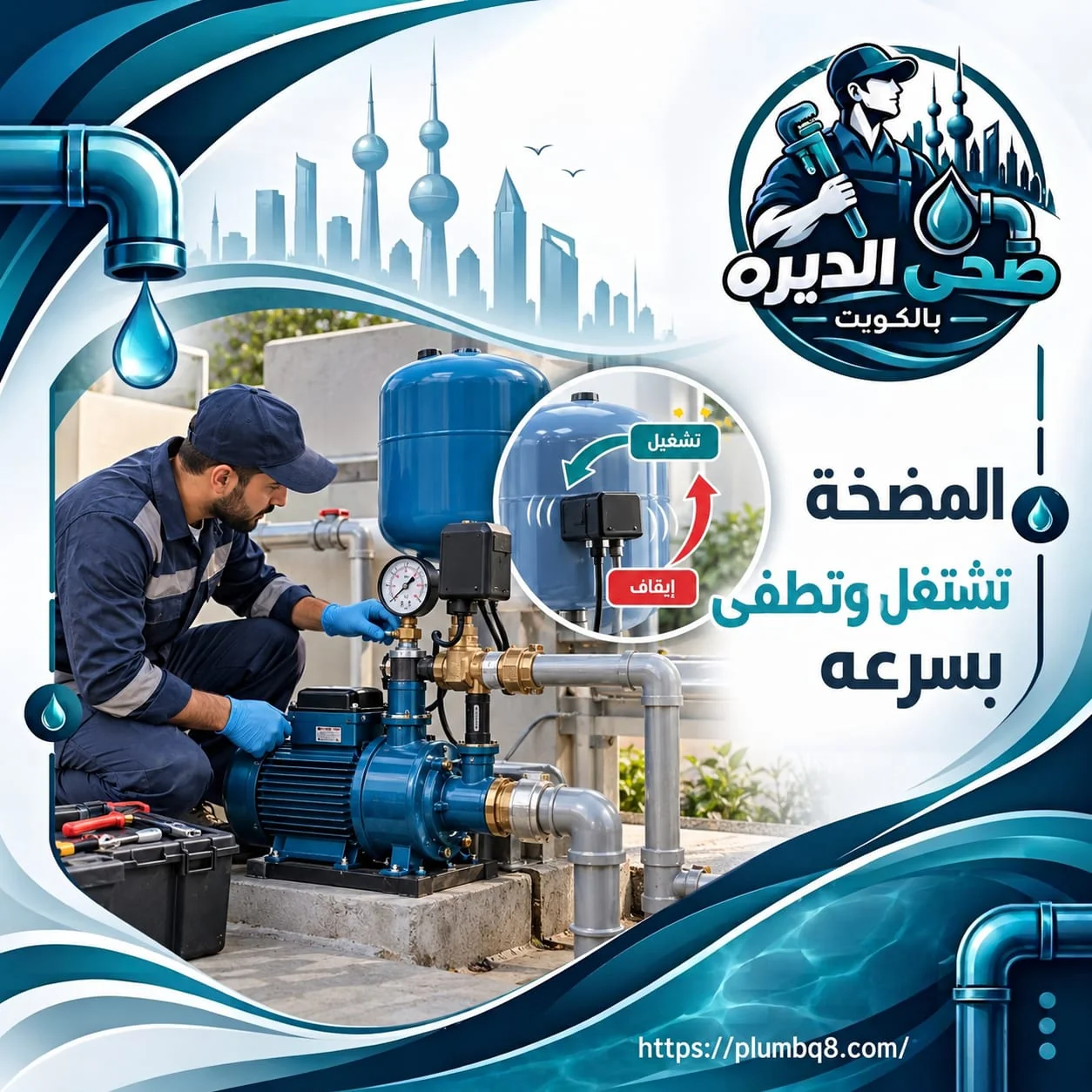
When a water pump starts and stops rapidly and repeatedly, replacing the pump immediately should not be the first solution. This behavior may be related to how the pressure system responds, the pressure tank if one is installed, the pressure switch or control system, or water use or a leak that causes pressure to change too quickly. More importantly, the same symptom can result from several different causes, so diagnosis should not depend on the sound of the pump cycling alone. The technician needs to determine when the pump starts, how long it runs, when it stops, and whether the repeated cycling happens without water use or only when faucets are opened. This inspection helps distinguish a problem with the pump itself from a fault elsewhere in the system before money is spent on a component that is not actually responsible.
Water Pump Turns On and Off Quickly

If the water pump turns on and off quickly while water is being used, the first step is to determine whether the operating cycle is genuinely too short for the way the system is designed or whether the pump is responding normally to intermittent water demand. Different systems are designed to operate in different ways, so a fault cannot be diagnosed simply by counting how many times the pump starts. What matters is the pattern of repetition. Does the pump start and stop every few seconds while water continues flowing steadily? Did the problem suddenly appear after the pump previously operated for longer periods? Does the water pressure inside the house noticeably change with every cycle? These details provide a much clearer picture than simply saying that the pump "runs too often."
In a system that uses a pressure tank and pressure switch, rapid repeated cycling may occur if the tank can no longer provide the useful volume of pressurized water expected from it. In that situation, pressure drops quickly during water use and starts the pump, then rises quickly enough to stop it, causing the same cycle to repeat. However, this is not the only possibility. Incorrect operation or a fault involving the pressure switch, a problem with the way the control system reads or responds to pressure, or continuous water demand can create similar symptoms.
For that reason, replacing the pump simply because it starts and stops rapidly can create an unnecessary expense if the actual problem is outside the pump itself. Proper inspection considers pressure behavior, the operating cycle, the control components, and the pressure tank according to the design of the installation. Once the cause has been identified, the appropriate repair can be selected instead of replacing components one after another by trial and error.
-
If the pump stops and restarts every few seconds while the same faucet remains open, the pressure cycle should be inspected instead of automatically treating repeated operation as normal behavior.
-
If the problem appeared suddenly after the pump previously had longer operating periods, comparing its current behavior with its earlier pattern can help the technician identify what has changed in the system.
-
If the system includes a pressure tank, its condition should be included in the diagnosis because a reduction in its effective operating capacity can shorten the pump cycle.
-
If household water pressure noticeably rises and falls with each pump cycle, that observation is important because it links the symptoms to pressure behavior rather than focusing only on pump noise.
-
Replacing the pump before checking the pressure tank, controls, and system pressure can result in paying for a new pump while the real cause remains in another part of the installation.
Water Pump Keeps Switching On and Off
When a water pump keeps switching on and off, the timing of the problem makes a major difference in deciding where the inspection should begin. If repeated cycling occurs while water is clearly being used, the technician should examine how the system maintains pressure during flow. If the pump starts by itself when there is no known water use in the house, the diagnostic question changes: why is pressure dropping when no faucet is open? There may be unnoticed water use, a leak somewhere in the system, or another condition allowing pressure to fall, but the cause should not be determined from pump cycling alone without inspection.
A practical example shows the difference. If the pump remains quiet whenever no water is being used but begins short cycles only during showering or while a faucet is open, that pattern directs attention toward the system's response to active water demand. If, however, you hear the pump starting at night or at another time when nobody is using water, the reason for pressure loss while the system is idle needs to be investigated. This distinction prevents a pressure-tank or control problem from being confused with water loss or pressure loss elsewhere in the plumbing system.
It is also useful to note approximately how long the pump operates and how much time passes between cycles rather than simply describing the problem as "continuous cycling." A pump that runs for a few seconds and then stops for a few seconds presents a different pattern from a pump that starts once every several minutes after being idle. Each pattern has a different diagnostic meaning. A technician should use these observations together with system measurements and inspection rather than randomly changing pressure settings, because adjusting cut-in and cut-out points without understanding the system specifications is not a safe or reliable repair method.
-
If the pump starts by itself without any known water use, the reason for pressure loss while the system is idle should be investigated before assuming that the motor itself is faulty.
-
If repeated cycling occurs only when faucets are opened, the inspection should focus more closely on the response of the pressure system, tank, and controls under actual water demand.
-
Recording the pump's operating time and the interval between cycles gives the technician a more accurate description than simply saying it runs continuously because different cycling patterns suggest different possibilities.
-
A leak or hidden water use can cause the system to request another pump cycle, so checking for pressure or water loss becomes important when cycling occurs without obvious demand.
-
Randomly changing pressure-switch settings is not an appropriate solution because the cut-in and cut-out points need to remain compatible with the pump, pressure tank, and overall system design.
Causes of Frequent Water Pump Cycling
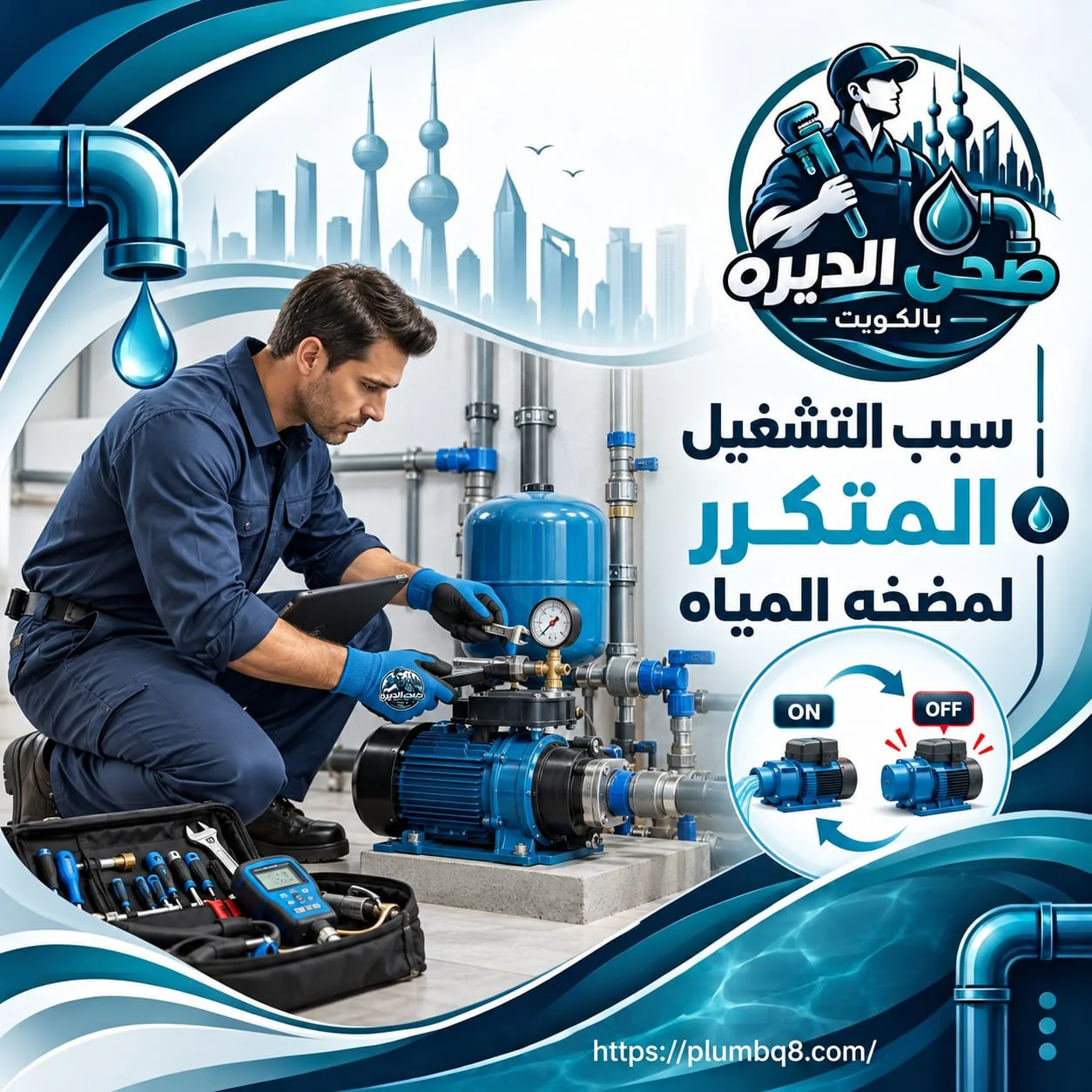
Understanding the causes of frequent water pump cycling requires looking at the entire system instead of examining the motor alone. The pump responds to conditions within the installation, and if pressure falls quickly or the control system repeatedly calls for operation, the motor will follow those commands even when it is still capable of pumping water. One common mistake is therefore assuming that every frequently cycling pump has become "weak." Sometimes the pressure tank is involved, sometimes the pressure switch or control system is responsible, and in other situations pressure is being lost through water use or a leak. There are also cases where the performance of the pump itself genuinely needs to be inspected.
If the installation includes a pressure tank, its role is not simply to store water. Having an appropriate usable volume of water under pressure helps reduce how often the pump needs to start in response to small water demands. If the tank no longer performs that function properly, the system may reach the cut-out pressure quickly and then lose pressure again just as quickly, sending the pump into short operating cycles. However, diagnosing a pressure tank requires inspection appropriate to its design. Air should not simply be added and its pressure should not be changed randomly because the correct tank setting is related to system settings and the condition of the tank itself.
Repair cost also depends on the actual cause rather than the symptom of "frequent cycling" alone. Correcting an adjustment or connection is different from replacing a damaged pressure tank, repairing a control component, or dealing with an actual fault inside the pump. For that reason, giving an accurate repair price before diagnosis can be misleading. The responsible component should first be identified, after which the work and any parts that are genuinely required can be determined.
-
A pressure tank that no longer provides the required usable operating volume can cause pressure to rise and fall quickly and increase the number of pump cycles during water use.
-
The pressure switch or control system needs to be checked for its actual response because pump starting and stopping depend on the signal the system sends to the pump.
-
Pressure loss caused by a leak or continuous water demand can make a healthy pump operate repeatedly, so the reason for falling pressure should be investigated before the motor is blamed.
-
Repair cost cannot be determined only from the number of pump cycles because adjusting or repairing a connection is very different from replacing a tank or repairing a fault within the pump.
-
Identifying the cause before purchasing replacement parts reduces trial-and-error replacement and directs the repair toward the problem demonstrated by the inspection rather than the easiest assumption.
Pump Technician for Repeated Cycling Inspection
When you need a pump technician for repeated cycling inspection, the objective should not be finding someone who listens to the pump and immediately decides that the motor is faulty. Rapid starting and stopping involves a complete system containing pressure, controls, plumbing, and possibly a pressure tank depending on the installation. The technician should first determine when the cycle repeats. Does it happen when only one faucet is opened? Does it become more frequent when several water outlets are used? Does the pump start when there is no obvious water demand in the house? Does household water pressure change with each cycle? These are not minor details. They help establish the direction of the inspection before any setting is changed or component is replaced.
The technician then evaluates how the system behaves while operating. If a pressure tank is installed, its condition and response should be assessed according to its design and the system settings. The pressure switch or appropriate control unit should also be inspected while noting the points at which the pump starts and stops. If cycling occurs without known water demand, attention should not remain fixed on the pump because pressure loss in the plumbing or unnoticed water use can make a healthy pump start again.
The choice of technician can directly affect the cost of the repair. Diagnosis based on replacing parts experimentally may begin with a switch and end with a tank or even a new pump without proving that any of those components caused the problem. A better decision is based on inspection results, pressure behavior, and the condition of the components. After the repair, the pump should be tested again under the same conditions that previously produced the rapid cycling to confirm that the operating pattern has actually improved.
-
A technician who asks when the problem appears and how water is being used can distinguish cycling associated with active demand from cycling caused by pressure loss without obvious water use.
-
Testing the system with one faucet open and then under different levels of water demand provides more useful information about pressure response than evaluating the pump only while it is idle.
-
If the system contains a pressure tank, it should be an important part of the diagnosis because its condition can directly affect the length and frequency of pump cycles.
-
If a technician recommends replacing the pump immediately without checking pressure, controls, and other system components, that decision deserves reconsideration because the same symptom can have several causes.
-
After the repair, the operating conditions that previously caused rapid cycling should be recreated so the success of the work can be judged by actual system behavior rather than simply by the replacement of a component.
Water Pump Starts Every Few Moments
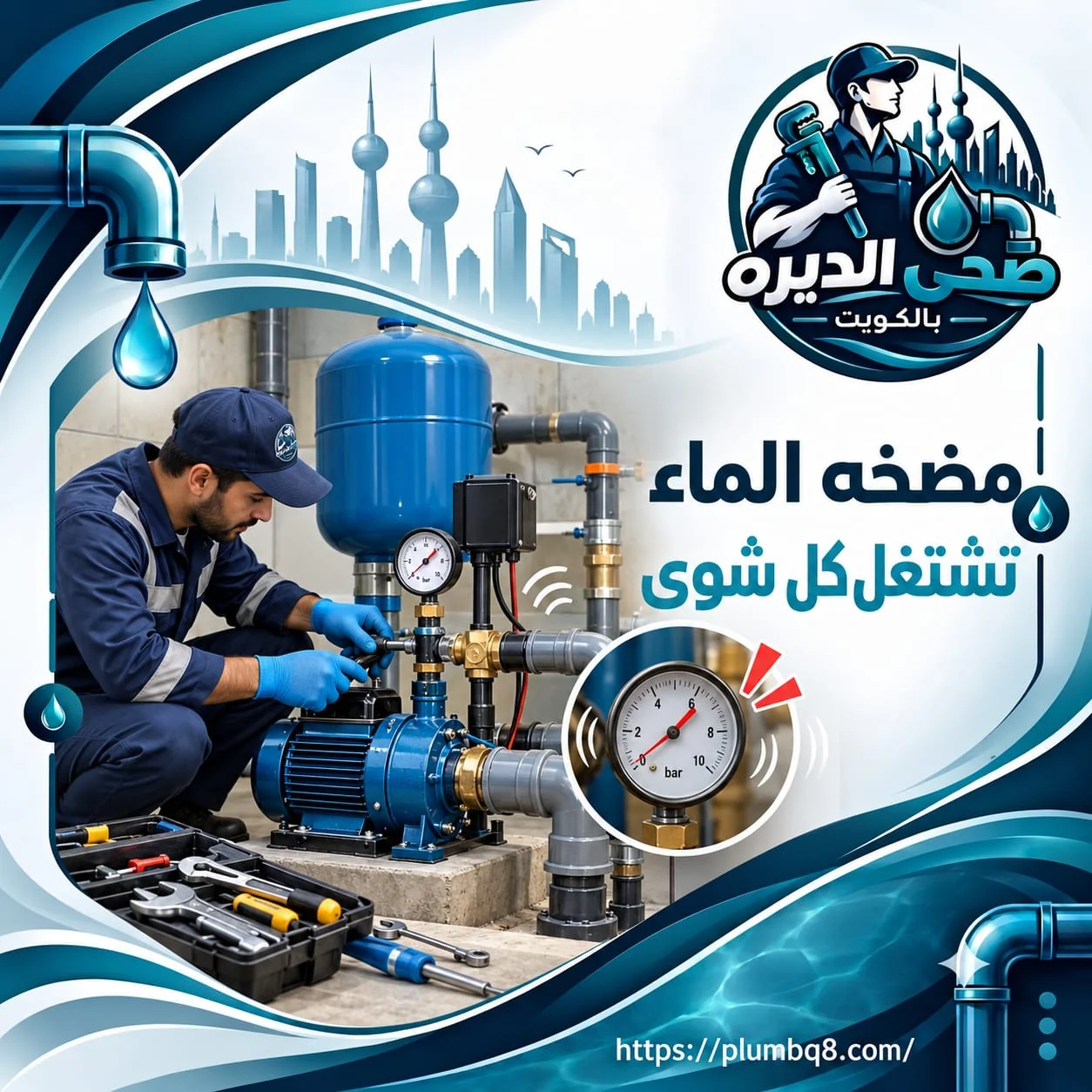
If the water pump starts every few moments even with limited water use, it is important to distinguish repeated operation caused by genuine small water demands from cycling that occurs without any known use. Opening a faucet briefly or using a small quantity of water can produce different responses depending on the design of the system and the size of the pressure tank, if one is installed. However, if the pump starts periodically while the house is quiet and nobody is using water, the reason for the pressure drop needs to be traced rather than treating every start as normal operation.
One useful observation is the amount of time between pump starts. If the pump starts and stops extremely quickly while water continues flowing, that is different from a pump that starts once every several minutes when there is no visible water use. The first pattern can direct the inspection toward the pressure cycle, pressure tank, and controls, while the second raises the possibility of gradual pressure loss or unnoticed water demand. Pump noise alone cannot identify the cause because the same sound of the motor starting can result from completely different system conditions.
Another common mistake is raising or lowering the pressure setting in an attempt to reduce the number of starts without understanding the operating limits of the installation. Changing a setting may alter the symptom without repairing the cause and can make the pump operate under conditions that are not suitable for the system design. Pressure response should be measured and inspected first. Only then can it be determined whether the system needs a correct adjustment, repair of a component, or correction of pressure loss. This approach prevents a relatively simple problem from becoming a series of unnecessary changes.
-
If the pump starts every few moments without any faucet being opened, hidden water use or pressure loss should be investigated before considering replacement of the pump itself.
-
The difference between a short cycle during continuous flow and occasional starting while no water is being used is important because each pattern directs the technician toward different possible causes.
-
Noticing whether faucet pressure changes as each pump cycle begins and ends helps connect the problem to system pressure behavior rather than relying only on motor noise.
-
Adjusting cut-in and cut-out settings simply to hide repeated cycling can change the symptoms without repairing the cause, so settings should not be altered randomly before the system is evaluated.
-
Recording when the pump starts and approximately how long it remains off before the technician arrives provides a practical description that can help recreate the problem during inspection.
Water Pump Pressure Tank Failure
A water pump pressure tank failure is one of the possibilities that deserves inspection when short operating cycles occur, but it is not correct to assume that every rapidly cycling pump automatically has a failed tank. In systems that use one, the pressure tank helps provide a usable quantity of water under pressure and reduces the need for the pump to start for every small demand. Depending on the tank type and design, water and the pressurized air section are managed in a particular way. A fault that reduces the tank's effective usable capacity can change how quickly pressure rises and falls during water use.
One sign that places the pressure tank within the diagnostic process is pressure rising quickly to the pump's cut-out point and then dropping quickly again while water demand continues, causing another pump start shortly afterward. However, the tank should not be diagnosed by simply adding air because the pump is cycling rapidly. The pre-charge pressure of tanks designed for this type of adjustment is related to the system's operating settings, and measuring it correctly requires appropriate conditions rather than simply reading the system while it is operating. If an internal component of the tank is damaged, changing the air pressure alone does not repair that physical failure.
The decision between adjustment, repair, or replacement depends on inspection results, the tank type, and its condition. This is also why repair costs can differ considerably between cases. The issue may involve a system adjustment or connection, or the tank itself may have lost its intended function and require a different solution. There is therefore no meaningful single price based only on the statement that "the pump cycles quickly." Cost should be determined after the responsible component and the work required have been identified.
-
Including the pressure tank in the diagnosis makes sense when the pump cycle has become noticeably short because the tank's role in the system directly affects the usable pressurized water available between pump starts.
-
Pressure reaching the cut-out point quickly and then dropping rapidly while water demand continues gives the technician a reason to inspect tank performance together with the control components.
-
Randomly adding air is neither a proper test nor a complete repair because the appropriate tank pressure is related to system settings and needs to be measured under the correct conditions.
-
An internal tank problem is not necessarily solved by changing pressure, so the condition of the tank needs to be established before choosing adjustment, repair, or replacement.
-
The cost of correcting the problem depends on the diagnostic result because inspecting and adjusting a functional system is different from dealing with a damaged tank or another component that genuinely requires replacement.
Checking the Water Pump Pressure Switch
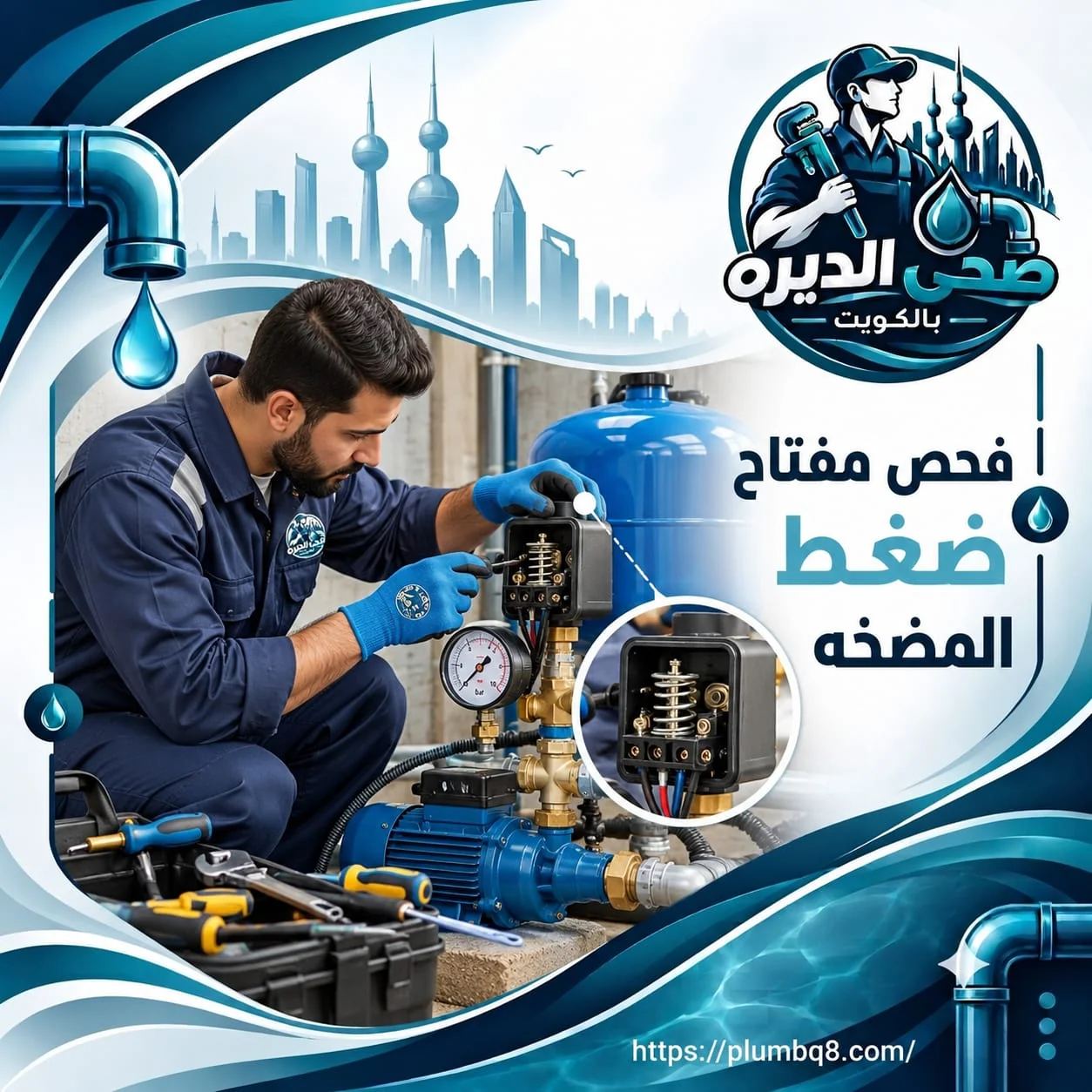
Checking the water pump pressure switch is important because, in systems that use this component, it is responsible for commanding the pump to start at one pressure level and stop at another. If its response is faulty, or if there is a problem with how system pressure reaches or is interpreted by the control arrangement, pump behavior can change. However, the switch should not be declared faulty before the rest of the system is considered. It may be correctly commanding the pump to start and stop while pressure itself is rising and falling too quickly because of a different problem.
Inspection should not consist of turning adjustment screws and waiting to see what happens. Pressure settings are related to the pump, tank, and operating limits of the system. Changing them without knowing the required values can move the cut-in or cut-out points into unsuitable operating conditions. A pressure switch also involves electrical connections in the pump control circuit, so opening it or handling its wiring should not be treated as a household experiment. A qualified technician should handle electrical inspection safely and isolate power appropriately before work that requires access to electrical components.
The purpose of the inspection is to compare pressure behavior with the exact moments when the pump starts and stops. If the commands occur at the expected pressure points but the cycle remains extremely short, the technician should look for another reason why pressure is changing so rapidly. If the inspection instead identifies a problem with switch response or an associated connection, that issue can be addressed according to the findings. This prevents a functioning pressure switch from being replaced while the real problem remains in the pressure tank, plumbing, or another part of the system.
-
Comparing pressure readings with the exact moments the pump starts and stops helps determine whether the pressure switch is responding to system conditions or whether further investigation is required.
-
Turning pressure-switch adjustment screws without knowing the required system settings is not a proper way to reduce frequent cycling because it can create unsuitable operating conditions.
-
If the cut-in and cut-out points appear normal but pressure moves between them unusually quickly, the inspection should shift toward the reason for that rapid pressure change rather than immediately blaming the switch.
-
Because the pressure switch is connected to electrical wiring, opening and inspecting its internal components should be handled by a qualified person using appropriate isolation and safety procedures.
-
Replacing the switch should be based on inspection results that demonstrate a problem with it rather than installing a new switch experimentally to see whether the cycling disappears.
House Water Pump Stops Every Few Seconds
When a house water pump stops every few seconds while water continues to be used, the system is experiencing a short operating cycle that deserves inspection. Frequent starting and stopping is different from a pump running for a stable period according to system demand. The concern is not simply the annoyance of hearing the motor repeatedly start. Excessive starting compared with the normal behavior of the system makes it important to identify the reason rather than allowing the condition to continue. However, a specific faulty component cannot be identified from the number of seconds alone because system design, capacity, and components vary.
A useful comparison is how the pump behaves under small water demand versus steady flow. If it starts and stops every few seconds even while a faucet remains open at a constant flow, pressure behavior, the pressure tank, and control operation should be investigated. If cycling occurs mainly when water outlets are opened and closed rapidly, the behavior should be assessed in relation to demand and system design. Noticeable changes in faucet pressure with each cycle should also be recorded because they provide useful information during testing.
The problem should not be bypassed by forcing the pump to run continuously or randomly altering the controls. The objective is not to eliminate the sound of stopping by any means possible. It is to determine why the system reaches the pump's start condition and then its stop condition so quickly. Once the cause is identified, the responsible component or condition can be corrected, and the pump can be tested again during actual water use to confirm that its operating cycle has improved appropriately for the system.
-
Stopping every few seconds during steady water flow deserves pressure-cycle inspection because water demand continues while the pump repeatedly moves between running and stopping.
-
Testing the system at more than one level of water demand helps determine whether repeated cycling is associated with a particular demand or occurs consistently regardless of how water is being used.
-
A noticeable change in faucet pressure at the same time as each pump cycle is useful information because it shows how pump starting and stopping affect pressure within the household system.
-
Forcing the pump to remain on or bypassing the control system is not an appropriate solution because the controls serve a purpose and the cause of abnormal cycling needs to be corrected.
-
After the cause has been addressed, the pump should be tested under actual water flow while operating and stopping times are observed to confirm that the underlying behavior has changed rather than merely becoming temporarily less noticeable.
Fixing Frequent Water Pump Cycling
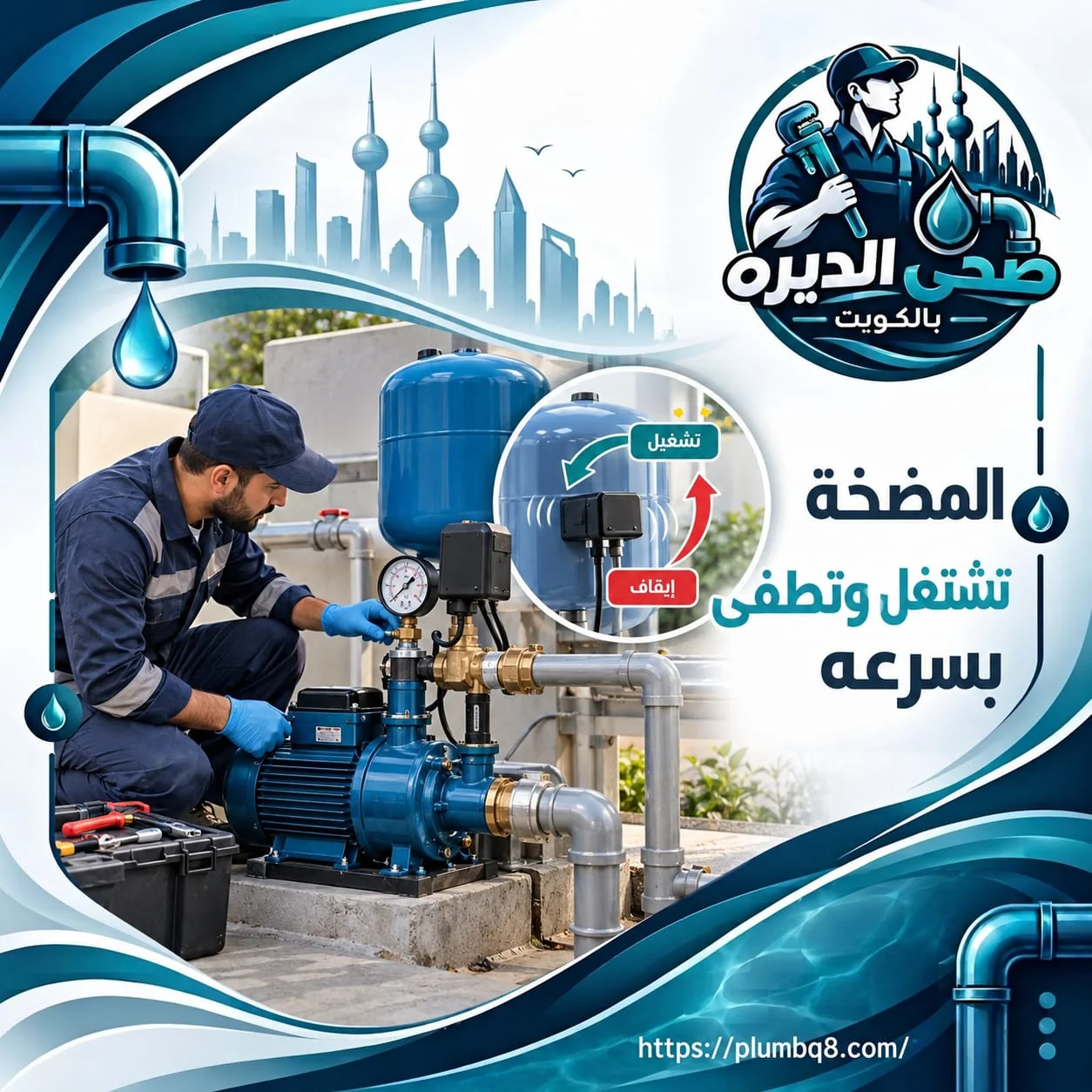
Fixing frequent water pump cycling does not begin with a predetermined decision to replace the pump or pressure tank. The first objective is to determine what causes the system to request another pump cycle after such a short interval. If pressure drops rapidly while water is being used, the components responsible for maintaining an appropriate pressure cycle need to be inspected. If the pump starts again without any obvious water demand, the diagnostic direction changes toward finding out why pressure is being lost while the system is idle. This distinction matters because the visible symptom can be the same while the required repair is completely different from one property to another.
An organized inspection isolates possibilities rather than changing several components at the same time. The technician begins by observing the operating cycle and then examines pressure response when a water outlet is opened and closed. If the system includes a pressure tank, its role and condition are evaluated as part of the installation. If a pressure switch or another control system is used, its starting and stopping behavior should be checked without randomly changing its settings. If pressure falls when there is no known water use, the possibility of leakage or pressure loss elsewhere should be investigated before the pump itself is treated as the source of the problem.
From a selection and cost perspective, the best repair does not necessarily mean replacing the largest or most expensive component in the system. Sometimes the cause is a smaller component, an adjustment, or an installation issue, while in other cases inspection genuinely confirms that a major component requires replacement. A realistic repair price should therefore be determined after diagnosis based on the fault, the component involved, access to the equipment, and the design of the system rather than from a telephone description alone. A diagnosis-based decision reduces unnecessary spending and focuses the repair on the cause rather than the symptom.
-
If repeated cycling happens only while water is being used, the solution begins with analyzing the pressure cycle under flow rather than immediately searching for a hidden leak or motor failure.
-
If the pump restarts while the system is idle and there is no known water demand, the priority is identifying where pressure is being lost before experimentally replacing the tank or pressure switch.
-
Testing each possibility separately makes the diagnostic result clearer because replacing several components at once prevents anyone from knowing which one actually caused the problem.
-
Repair cost varies depending on whether the work involves adjustment, a connection, a leak, a pressure tank, a control component, or the pump itself, so proper diagnosis should come before an accurate price.
-
A successful repair should be evaluated by the pump's operating pattern under the same conditions that previously caused the problem rather than simply by installing a new component or seeing the symptom disappear briefly.
Repairing a Pump That Runs in Short Cycles
Repairing a pump that runs in short cycles first requires defining what "short cycles" actually mean for that particular system. Not every pump that stops after a short operating period is faulty because operating duration is influenced by water demand, the control method, and system capacity. The condition that deserves closer attention is repeated starting and stopping at unusually short intervals, especially while water continues to flow or when the behavior suddenly changes from what was previously normal. In that situation, repair begins with diagnosis rather than immediately dismantling or replacing the motor.
If inspection shows that the pump is receiving closely spaced start and stop commands because pressure is changing rapidly, the next step is to identify what is causing that pressure behavior. If pressure and control operation appear normal but the pump itself is not performing as required, the inspection can then move toward the pump and its components according to its type. Separating a system fault from an actual pump fault is extremely important because installing a new pump on a system with a pressure-tank or control problem can allow exactly the same short cycling to continue with the replacement pump.
Any replacement component should also be compatible with the system rather than being selected according to the idea that "more powerful is always better." Pump selection and pressure components need to match the requirements of the plumbing and the method of control. Changing capacity or settings without proper consideration can alter the operating cycle instead of correcting it. After repairs, water should be used under more than one condition while the pump's starting, running, and stopping behavior is observed. If the original problem occurred without water use, the system should also be left idle to determine whether the pump starts again on its own. This makes the final assessment directly relevant to the symptom that required the technician in the first place.
-
Before dismantling the pump itself, it should be established whether the short operating period is caused by start and stop commands from the system or by an actual fault inside the pump because the repair approach is completely different.
-
Installing a new pump without correcting an existing pressure-tank or control problem can allow the same short cycles to continue, meaning replacement has not addressed the actual cause.
-
Choosing larger or more powerful components at random does not guarantee better performance because compatibility between the pump, controls, pressure conditions, and system demand matters more than increasing capacity without calculation.
-
Testing the repair under light water demand, continuous flow, and then an idle condition provides a broader view of system behavior and can reveal whether the problem is associated with a specific operating condition.
-
If the pump starts by itself again after the repair while no water is being used, the reason for pressure loss needs to be investigated again rather than treating the work as complete.
Conclusion
Rapid water pump starting and stopping is not a fault with only one possible cause, which is why replacing the pump immediately may not solve the problem. The pressure tank, pressure switch or control system, pressure loss within the plumbing, the way water is being used, and the condition of the pump itself can all be part of the diagnosis depending on the system design. The key distinction is when the problem occurs. A short cycle during continuous water flow is different from a pump that starts by itself while there is no obvious water demand in the house.
With Sehi Al Deira, the purpose of the inspection is to identify what is causing the pump cycle to repeat before deciding which repair is required. An organized diagnosis helps avoid replacing functional components or changing pressure settings by trial and error. Once the cause has been addressed, the system should be tested again under the same conditions that originally produced the problem. If the pump starts and stops every few seconds or keeps restarting without a clear reason, inspecting the complete system provides a more accurate basis for repair than focusing on the pump alone.
Frequently Asked Questions About Frequent Water Pump Cycling
Why does the pump turn on and off quickly while the faucet is open?
If the faucet remains open with steady water flow but the pump switches between running and stopping at very short intervals, the pressure cycle needs to be inspected. In systems with a pressure tank, the tank's condition and response should be evaluated along with the control system and the pump's cut-in and cut-out behavior. The symptom alone cannot identify the cause because more than one component can produce similar cycling.
Does frequent cycling mean the pump is damaged?
Not necessarily. The pump may simply be responding to repeated start commands caused by pressure dropping within the system, while the actual problem is in the pressure tank, controls, or pressure loss elsewhere in the plumbing. The system should therefore be inspected before the motor is blamed, particularly when the pump can still deliver water but its operating cycles have become noticeably shorter.
What is the difference between a pressure tank problem and a pump problem?
The pressure tank affects the amount of usable water available under pressure and the way pressure changes between pump cycles, while the pump is responsible for moving water according to the system design. Some pressure-tank problems can cause rapid starting and stopping even when the pump is still capable of pumping correctly. Distinguishing between them requires observing pressure behavior, the operating cycle, and the relevant components rather than relying only on noise or operating time.
Why does the pump start when nobody in the house is using water?
If there is no known water demand but the pump starts by itself, the reason for pressure loss while the system is idle needs to be investigated. There may be unnoticed water use, a leak, or another source of pressure loss depending on the plumbing arrangement. It is better not to assume that the problem is electrical or inside the motor before determining why the system is requesting another pump cycle.
Can I adjust the pressure switch to reduce how often the pump starts?
Random pressure-switch adjustment is not an appropriate solution. The cut-in and cut-out points are related to the pump, pressure tank, and the rest of the system, and changing them without knowing the correct values can alter operating conditions instead of repairing the cause. The switch also contains electrical connections, so internal inspection or adjustment should be handled by a qualified person using appropriate electrical isolation procedures.
Will adding air to the pressure tank solve rapid cycling?
Not in every case. Tank pressure needs to be checked using the appropriate method for the tank type and system design. Adding air without measuring the existing condition and knowing the required setting may not solve the problem. If the tank has an internal failure, changing the air pressure alone will not repair the damaged component. The tank's actual condition should therefore be established before deciding what action is needed.
Can a leak make the water pump start every few moments?
Yes. If water or pressure is being lost somewhere in the system, pressure may fall to the level at which the control calls for the pump to start again. However, repeated pump operation alone does not prove that a leak exists. The cycling pattern should be considered together with the absence of known water demand, followed by an inspection to determine whether pressure is genuinely being lost and where that loss occurs.
Is it normal for a water pump to start and stop every few seconds?
That depends on the system design and operating conditions, but extremely rapid cycling during steady water flow deserves inspection. The technician needs to determine how pressure moves between the start and stop points and whether the pressure tank and controls are functioning appropriately. There is no universal number of seconds that can be applied to every pump because system capacities and designs differ.
What determines the cost of repairing frequent pump cycling?
The cost depends on the cause established during inspection. Correcting an adjustment or connection is different from repairing a leak, while inspecting or replacing a pressure tank is different from dealing with the control system or an internal pump fault. System type, accessibility of components, and any parts actually required also affect the work, so providing an exact price before the cause is identified may be unrealistic.
How do I know the frequent cycling problem has actually been fixed?
After the repair, the pump should be tested under the same conditions that originally produced the problem. If it previously stopped every few seconds while a faucet was open, similar water flow should be used while the cycle is observed. If the pump used to start by itself without water demand, the system should also be monitored while idle. A successful repair is demonstrated by correcting the original behavior and restoring an operating cycle appropriate to the system design, not simply by making the pump quiet while the technician is present.
Need help from a plumber?
Related articles
 🛠️ Weak Water Flow Solutions
Low Water Pressure Throughout Your Home? Inspect Before Pumping
 🪠 Bathroom & Toilet Drain Unclogging
Toilet Clogged? Is the Blockage in the Toilet or Drain Pipe?
 🚨 24/7 Plumbing Emergency