Water Pump Running but Not Pumping? What Should Be Checked
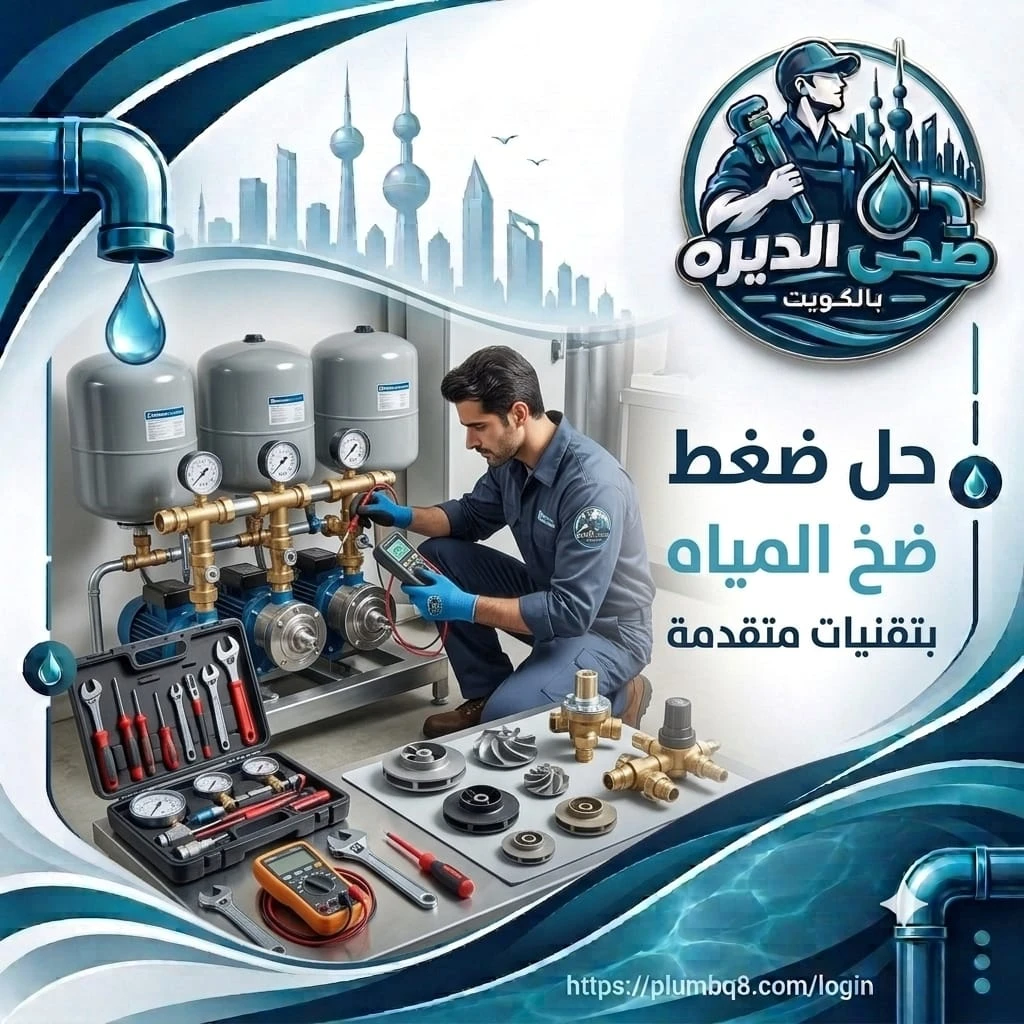
You can hear the water pump running and notice that the motor is operating, but when you open a faucet, no water comes out or the flow is extremely weak. Does this mean the pump is damaged and needs replacing? Not necessarily. Sometimes the problem is caused by insufficient water in the storage tank, air entering the suction line, or a fault preventing the pump from developing the required pressure. In other situations, the problem may be inside the pump itself, even though the motor continues rotating. The important thing is to avoid letting the pump run without delivering water for an extended period, because dry running can damage certain components. This article explains what a technician should inspect, how to distinguish suction problems from pumping failures, and when repairing the existing pump may be more appropriate than replacing it.
Water Pump Running but Not Pumping Water
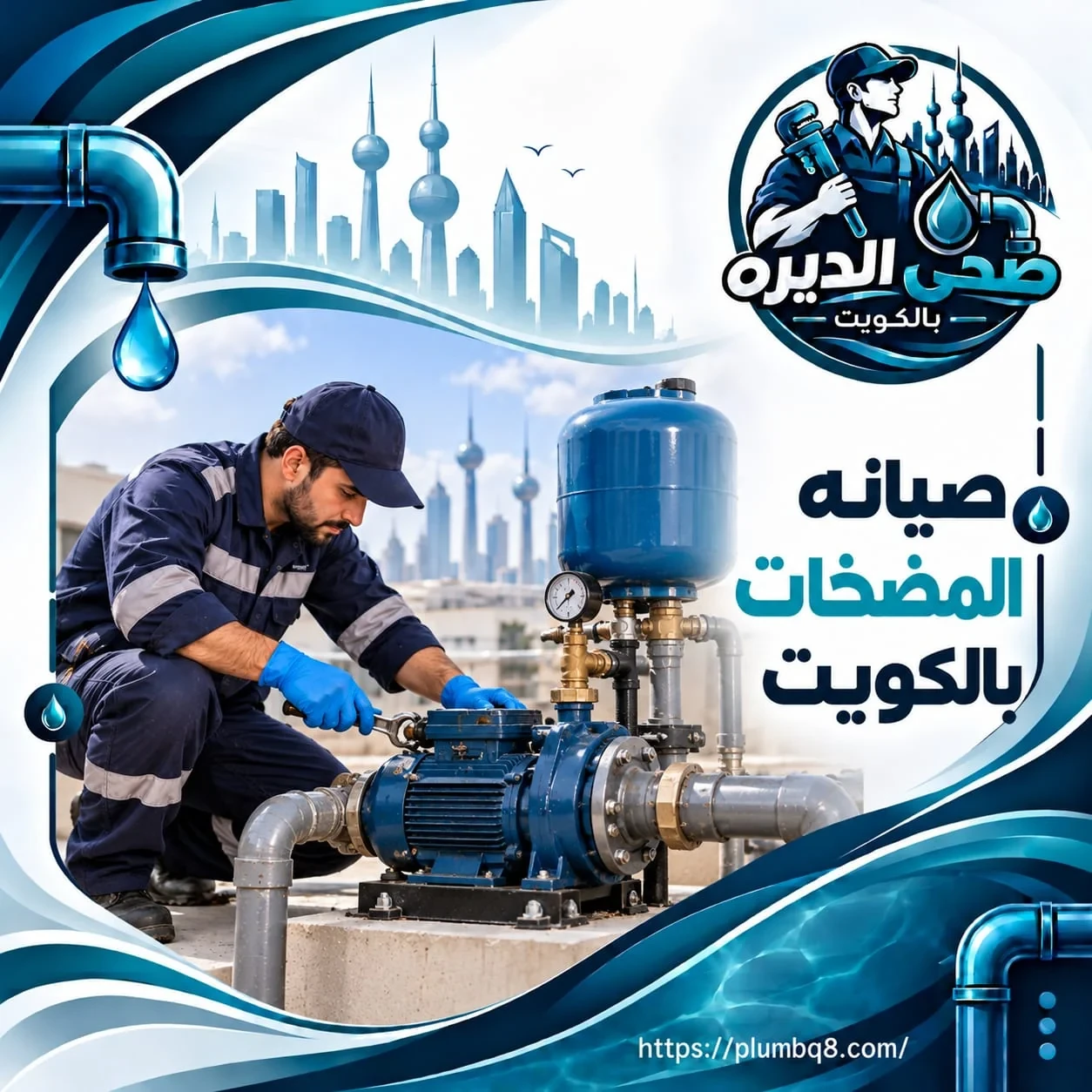
When your water pump is running but not pumping water, the first step should not be replacing the motor or opening the pump housing. Instead, it is important to determine whether water is reaching the pump inlet in the first place. The sound of operation indicates that part of the electrical or mechanical system is functioning, but it does not prove that the pump is drawing water or delivering it at the required pressure.
In residential water pump systems, there must be an adequate water supply and a suction route that allows water to reach the pump. If the storage tank is empty or the water level falls below the suction opening, the pump may operate without receiving enough water. Similarly, if air enters the suction line of a pump that requires priming, the pump may lose its ability to generate the necessary suction even while the motor rotates normally.
Consider a practical example: the pump was working properly, but after the water tank was cleaned, the motor started running without pumping water. In this situation, checking the water level, the condition of the suction line, and the possibility of air entering during tank emptying or refilling is important. Replacing the entire pump before examining what changed immediately before the problem appeared would not be a sensible first step.
If sufficient water is available and the suction line is in suitable condition, the technician should move on to other possibilities. These may include the condition of the internal impeller, an obstruction in one of the water passages, or another fault preventing the pump from developing pressure. The appropriate inspection procedure depends on the pump's design and installation.
It is also important to recognize that allowing a pump to operate without adequate water flow may cause overheating or damage certain components, especially when water circulation is needed for cooling or sealing. The safer approach is to stop the pump appropriately and request an inspection instead of leaving the motor running in the hope that water flow will return by itself.
-
If the pump motor rotates but no water comes from the faucets, do not treat the sound of the motor as proof that pumping is working correctly, because motor operation and the pump's ability to draw water and generate pressure are different functions.
-
If the problem appeared after cleaning or emptying the storage tank, check the water level and suction line because air entry or an interrupted water supply may be related to the recent maintenance.
-
If the tank contains enough water, it is still necessary to verify that water can reach the pump inlet rather than assuming that water inside the tank automatically means the pump is receiving it.
-
If the pump continues running without water flow, stop it safely and avoid repeatedly restarting it because certain pump types may suffer damage from dry running.
-
If no obvious problem is found in the water source or suction line, the technician may need to inspect internal components and evaluate pump performance before recommending complete replacement.
Water Pump Operating Without Delivering Water
A water pump operating without delivering water requires a clear distinction between electrical operation and hydraulic performance. You may hear the motor running and see that the equipment is receiving electricity, but this does not necessarily mean that water is moving through the pump correctly. The motor provides rotational movement, while the pumping process also depends on the condition of internal components, the availability of water, and unobstructed inlet and outlet passages.
One useful observation is whether the pump delivers absolutely no water or produces a small amount that is insufficient for household use. Zero flow is different from reduced flow, and each situation suggests different possibilities for inspection. If the pump is equipped with a pressure gauge, its reading may help the technician evaluate performance, provided the gauge is functioning correctly and its position within the system is understood.
Some pumps must be filled with water before starting, depending on their design, particularly non-self-priming models. If the pump loses its prime, the motor may continue rotating without transferring water. However, not every pump requires the same priming procedure. Opening a plug or filling the pump housing without referring to the equipment's design and appropriate safety procedures is therefore not advisable.
For example, suppose a residential pump was stopped for maintenance and, after being restarted, the motor began rotating without producing any water flow. The technician should review the condition of the valves, the water passages, and the correct restarting procedures for that model. If water is confirmed to be entering the pump but not leaving at the expected pressure, the inspection should then focus on internal components or possible restrictions on the discharge side.
Repeatedly switching the pump on and off in quick succession is another common mistake. This does not correct the underlying cause and may place additional stress on electrical and mechanical components. A structured inspection is preferable to repeated attempts at restarting.
-
If the motor rotates normally but there is no water flow, electrical operation and hydraulic performance must be evaluated separately because apparent electrical operation does not confirm that the pump is moving water correctly.
-
If a pressure gauge is installed, its reading may provide useful information, but it must be interpreted according to its location rather than treating a single reading as a final diagnosis.
-
If the pump stopped for maintenance and subsequently lost its ability to deliver water, the technician should review the correct restarting and priming procedures for its design before assuming the internal impeller is damaged.
-
If water reaches the pump inlet but there is no suitable flow at the outlet, the discharge side and internal components should be evaluated according to the pump's construction rather than focusing only on the storage tank.
-
If repeated restarting attempts have failed, stop experimenting and arrange an inspection because repeated switching does not correct lost prime or a blockage and may increase stress on the system.
Causes of a Water Pump Not Drawing Water
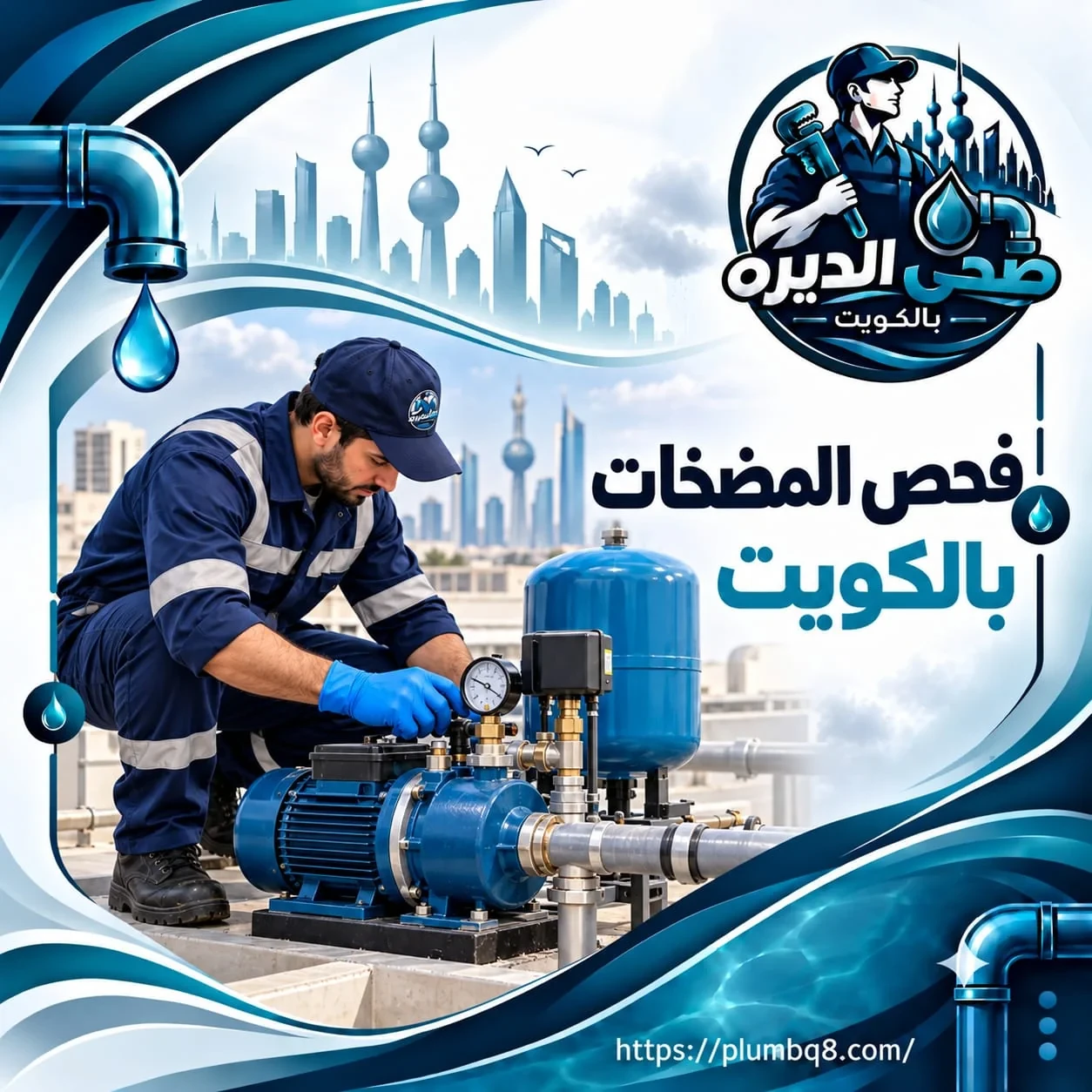
Identifying the cause of a water pump not drawing water begins with understanding the suction line itself, because the problem may occur before water reaches the pump housing. The suction line carries water from the storage tank or another source to the pump inlet. Any fault along this route may prevent the pump from receiving the water it needs, even if its internal components are functioning correctly.
One possible cause is a water level below the suction opening or an obstruction at the supply outlet. If the pump draws water from a lower tank, performance may also be affected by suction lift, pipe length, and friction losses in relation to the pump's design capabilities. Not every pump can lift water from any depth or over any distance, so the installation must be compatible with its specifications.
Air entering the suction line can also prevent certain pumps from maintaining their prime. What makes this problem difficult to identify is that an air leak does not necessarily produce a visible puddle. During operation, the pressure inside part of the suction line may be lower than atmospheric pressure, allowing air to enter through an imperfect connection instead of water leaking outward.
Some installations include a foot valve or check valve designed to help retain water inside the suction line. If the valve fails or no longer closes properly, the line may lose water after the pump stops, creating suction problems when the pump restarts. However, the presence and function of these valves vary between installations, so they should not automatically be blamed for every suction problem.
Suppose the pump works normally after being primed but, after remaining off for several hours, starts rotating without drawing water again. This pattern makes it reasonable to investigate whether water is draining from the suction line while the pump is stopped. The technician may need to inspect the connections and any installed valves. If the problem continues even after correct priming has been confirmed, other causes must be considered.
Any inspection requiring the removal of connections or valves should take place after electrical power has been isolated and pressure has been relieved according to the equipment's instructions. Opening parts of the system while it is operating can cause water to escape forcefully or result in injury.
-
If the water level is close to or below the suction opening, the pump may receive insufficient water, so the tank level and supply outlet position should be assessed before investigating internal pump damage.
-
If the pump is installed above the water source, the suction lift and pipe length must be checked against the equipment's specifications because operating beyond the pump's limits may prevent normal suction.
-
If the pump loses suction after being stopped but works following priming, the technician may need to inspect connections and valves responsible for retaining water in the suction line.
-
If air is suspected of entering through an imperfect connection, the absence of visible water leakage should not rule it out because suction-side air leaks may occur without obvious water escaping.
-
If the inspection requires opening the suction line or dismantling one of its components, electrical power must be isolated and any remaining pressure handled safely before work begins.
Technician for Inspecting a Pump That Is Not Pumping
When requesting a technician to inspect a pump that is not pumping water, you need more than someone who listens to the motor and immediately decides that the pump must be replaced. Proper inspection depends on identifying the pump type, understanding how it is installed, and establishing the source from which it receives water. The technician can then determine which part of the system is failing to perform its function. The fault may involve the water supply, suction passage, pump housing, or discharge line, and each possibility requires a different method of verification.
One of the most useful details is when the problem began. Did the pump suddenly stop delivering water while operating? Did the problem appear after a power interruption? Or did it begin after cleaning the tank or carrying out maintenance on the connections? The timing helps prioritize possible causes, although it is not sufficient evidence that a particular component has failed.
The technician also needs to establish whether the pump draws water from a lower tank or receives water from a tank positioned above it. This changes the inspection approach because a pump that depends on suction conditions differs from one that receives water at its inlet under gravity.
The inspection should also rely on observations and measurements that can be verified. For example, the technician may check the water supply at the pump inlet, compare operating pressure with the equipment's relevant specifications, and examine valve positions and the direction of water flow. If the findings suggest an internal fault, the technician can determine whether the components are accessible and whether repair is worthwhile compared with replacement.
Consider a homeowner who says the pump must be broken because it runs without delivering water. During inspection, the technician discovers that the supply valve before the pump was left closed following previous maintenance. Replacing the motor or impeller would not solve this problem because the fault lies in the water supply route rather than the motor's ability to rotate.
Regarding cost, it is important to distinguish the diagnostic inspection fee from repair labor and replacement parts. Some problems can be resolved by correcting a connection or valve issue, while others require internal pump repairs. The inspection scope and associated costs should be understood before approving dismantling or component replacement.
-
If the problem appeared after maintenance near the pump, tell the technician which components were handled so they can check whether valve positions or connections changed before inspecting internal parts.
-
If the pump is installed in a system with several tanks or supply lines, the technician should identify the actual water route because the presence of water in one tank does not prove that it reaches the pump inlet.
-
If operating pressure needs to be measured, the result should be compared with the pump's specifications and operating conditions rather than judging performance from a reading considered in isolation.
-
If the technician recommends replacing an internal component, ask what the inspection revealed about its condition and whether external faults that could produce similar symptoms have been ruled out.
-
If the inspection ends without a confirmed cause, the technician should explain which possibilities have been eliminated and what further checks are necessary instead of presenting an unsupported final diagnosis.
Pump Motor Runs but Water Does Not Reach the Faucets
If the pump motor runs but water does not reach the faucets, the problem is not necessarily the pump's ability to draw water. Sometimes water flows from the pump outlet but fails to reach the points of use because of a problem in the distribution pipes, a valve, or a control component located downstream of the pump.
Two situations must be distinguished. In the first, the pump fails to produce adequate flow in the first place. In the second, the pump delivers water, but the flow stops or becomes restricted farther along the distribution system. Recognizing this difference helps prevent unnecessary dismantling of a pump that may be functioning correctly while the actual problem is elsewhere.
If a pressure gauge is installed on the discharge side, its reading may help the technician evaluate the situation. For example, relatively high pressure with no water reaching the fixtures may warrant checking for a closed valve or obstruction downstream of the pump. However, the reading alone is not enough to establish a diagnosis because the gauge's location and the system's configuration affect its interpretation.
It is also important to know whether the problem affects the entire property or only a particular section. If no water reaches any faucet, the inspection differs from a situation where the ground floor receives normal flow while the upper floor receives very little. Differences in elevation, distribution routes, and valve locations can change how the problem should be evaluated.
For example, after maintenance on a water supply line, the pump continues operating, but faucets in one section of the house stop receiving water. Before assuming the pump is damaged, the technician should check the relevant valves and the distribution route serving that area. If every outlet is without flow, a broader assessment of both the discharge and supply sides may be necessary.
The pump should also not be allowed to operate for extended periods against a closed discharge line unless its design specifically permits those conditions. Operating without sufficient flow can increase water temperature inside certain pumps and damage their components.
-
If water reaches some faucets but not others, identify the affected section of the distribution network because the problem may be downstream of the pump rather than in the suction process.
-
If the problem appeared after valves were closed for maintenance, the technician may need to review their positions and the supply routes instead of immediately dismantling the pump or replacing the motor.
-
If the discharge pressure gauge shows pressure despite the absence of flow, its reading must be interpreted according to its position and the valve conditions because pressure alone does not prove that water reaches the fixtures.
-
If the pump is operating against a closed or obstructed discharge line, it should be stopped safely rather than left running continuously because certain pump designs may be damaged under these conditions.
-
If weak water delivery affects only upper floors, the technician should assess the pressure and distribution requirements at different elevations rather than assuming that motor rotation means performance is sufficient.
Home Water Pump Not Drawing From the Tank
When a home water pump is not drawing water from the tank, it is important to examine the relationship between the tank's location and the pump inlet. The way water reaches the pump depends on the tank's elevation, pump type, and pipework design. Not every residential pump draws water in the same way. Some installations depend on gravity supplying water to the inlet rather than lifting it from a lower level.
If the tank is at ground level and the pump is installed above the water surface, the system may require suitable suction conditions and a water-filled line, depending on the pump's design. If the tank is above the pump, the technician should assess whether water can reach the inlet through the available route, considering valve positions and possible restrictions.
The location of the suction opening inside the tank is another important detail. If it is close to the bottom, sediment or debris may affect it depending on the tank's condition and connection design. If the water level is low, the opening may be exposed to air or an unstable water supply. However, sediment inside a tank does not automatically mean the pipe is blocked, so this must be verified before deciding to clean or dismantle anything.
Suppose the tank is full, but the pump cannot draw water. The homeowner may immediately rule out the tank because water is visibly present. However, water being present inside the tank is different from having an unobstructed outlet connected to the pump. The valve may be closed, or the supply route may be affected by an obstruction or another component fault.
In another situation, the pump draws water normally when the tank is full but begins experiencing problems whenever the level drops. This pattern calls for reviewing the suction opening position, operating conditions, and the minimum suitable water level for the system rather than replacing the pump without inspection.
Repeatedly attempting to operate the pump when the tank is nearly empty should also be avoided because air entry or insufficient water supply may cause unsuitable operating conditions for certain pump types.
-
If the tank is full but the pump does not draw water, the tank outlet, valve, and supply line should be assessed because the amount of stored water does not prove that the route to the pump is open.
-
If the problem occurs only when the tank level drops, the technician may need to inspect the suction opening height and supply conditions instead of searching for a permanent motor fault.
-
If the pump is positioned above the water source, the model's suction and priming requirements should be reviewed because suction capability varies according to pump design and installation conditions.
-
If debris or sediment is present near the tank outlet, its possible effect on the water passage should be assessed without assuming a blockage before checking the line.
-
If the pump receives water from a tank that was recently cleaned or emptied, mention when refilling and restarting took place because these details may help determine whether suction conditions changed after maintenance.
Checking for Air in the Pump Suction Line
Checking for air in the pump suction line is particularly important when water is available at the source but the pump loses its ability to draw water or repeatedly requires priming. Air entering the suction line can interfere with water flow, especially in pumps that depend on the line and pump housing remaining filled with water before pumping begins correctly.
What makes this fault confusing is that a connection allowing air to enter does not necessarily leak water outward. During operation, pressure inside part of the suction line may fall below atmospheric pressure. Air can then enter through a small opening or imperfectly sealed connection without producing an obvious puddle. For this reason, visual inspection alone may not be sufficient.
It is important to distinguish air introduced during tank emptying or pipe maintenance from air that continually enters because of a sealing problem. The first situation may be associated with restoring prime according to the pump's instructions, while the second requires identifying and correcting the source of air entry to prevent recurrence.
Bubbles or changes in pump performance may also guide the inspection, but they do not independently prove an air leak. Irregular suction can sometimes result from a low water level or unsuitable operating conditions. The technician therefore needs to compare the symptoms with the water source, connections, and suction line arrangement.
Consider a hypothetical example: the pump works normally after being filled with water according to its priming procedure, but after a long period without operation, it loses suction again. This pattern may lead the technician to investigate whether the suction line retains water and whether an installed check valve is functioning properly, as well as checking connection integrity.
If air appears during continuous operation, the inspection may take a different direction and include suction conditions and the water source. The important point is not to assume that every air-related problem comes from a loose connection, because diagnosis requires interpreting the symptoms within the complete system.
-
If the pump loses prime after every extended shutdown, the technician may need to assess whether the suction line retains water and inspect the valves installed according to the system's design.
-
If there is no visible water leakage around connections, this does not rule out air entry because some suction-side leaks allow air to enter during operation without obvious water escaping.
-
If the problem appeared immediately after the tank was emptied, air may have entered the line during maintenance, but the corrective procedure must follow the instructions for the particular pump type.
-
If suction is irregular, the water level and suction conditions should be evaluated alongside the possibility of air entry rather than assuming that every symptom is caused by an imperfect connection.
-
If a connection or valve must be opened for inspection, electrical power should be disconnected and any remaining water pressure handled safely before work begins.
Pump Rotates Without Discharging Water
A pump that rotates without discharging water may have an internal mechanical problem even when the motor sounds normal. A pump contains components responsible for transferring energy to the water and producing flow. Damage to these components can affect performance even while the motor continues rotating.
One important component in many centrifugal pumps is the internal impeller. Its function is to transfer energy to the water as it rotates. If the impeller is significantly damaged or worn, the pump's ability to deliver water may decrease. However, not every flow problem means the impeller is broken, so appropriate external causes should be investigated before opening the pump housing.
Certain mechanical faults may also produce unusual noise or vibration during operation. Nevertheless, noise or vibration alone cannot identify the damaged component because similar symptoms may arise from different causes, including suction conditions, pump mounting, or internal components.
It is also important to distinguish a pump producing no flow from one producing weak flow. In the second situation, performance may have declined because of wear, an obstruction, or unsuitable operating conditions. Complete loss of flow requires a structured evaluation of the water source, suction and discharge routes, and component condition.
Suppose the pump had been making an unusual noise for some time, after which the motor continued running but water stopped coming out. This history may make mechanical inspection important, but it does not prove that the impeller is responsible before confirming that water reaches the pump and that the passages are not obstructed.
If the technician needs to open the pump housing, electrical power, pressure, and any remaining water must be handled according to appropriate safety procedures. After inspection, the technician should explain whether the damaged component can be replaced, whether a suitable part is available, or whether the overall condition of the pump makes complete replacement worth considering.
-
If the motor rotates but no water flows despite an adequate supply and apparently unobstructed passages, the technician may need to assess the impeller and internal components rather than relying solely on external connection checks.
-
If unusual rubbing sounds or vibration occurred before the failure, mention their timing and characteristics because they may help guide mechanical inspection without treating the sound as a definitive diagnosis.
-
If the pump is old and its performance has gradually declined, assessing components subject to wear and comparing their condition with the actual operating requirements may be appropriate.
-
If the technician recommends opening the pump housing, electrical power must be isolated and remaining pressure handled before dismantling because the absence of flow does not mean every part of the system is depressurized.
-
If an internal component is confirmed to be damaged, compare the cost of repairing it, the availability of a compatible replacement part, and the condition of the remaining components before deciding to replace the entire pump.
Fixing a Pump That Cannot Draw Water
Choosing the right solution for a pump that cannot draw water depends on the cause confirmed by inspection rather than randomly trying different procedures. The problem may be a simple issue involving the water source or valves, may require attention to the suction line, or may involve an internal pump fault. Every solution should be supported by a clear inspection finding.
If insufficient water in the tank is responsible, the solution begins with restoring an adequate supply and preventing repeated operation without water. If the problem involves a closed valve or an obstruction in the supply route, the appropriate action is to correct that issue after assessing the condition of the affected connections.
If the pump has lost its prime, the method of restoring it depends on the equipment type and manufacturer's instructions. Using the same filling procedure or opening plugs on every pump is inappropriate because design differences can change safe operating procedures.
When air continually enters the suction line, repeatedly priming the pump is not enough. The cause of lost sealing integrity or whatever allows air to enter must be identified and corrected. If a check valve or foot valve forms part of the system and is confirmed to be defective, it may require repair or replacement with a suitable component.
In terms of cost, correcting an operating condition or repairing a connection differs from repairing an internal component or replacing the entire pump. The final price depends on the equipment type, access to the damaged component, parts availability, and the nature of the required work. A fixed repair price cannot reasonably be applied to every situation without inspection.
For example, a pump loses suction every morning but works after being primed again. Repriming may temporarily restore water service, but it does not explain why the suction line loses water while the pump is stopped. If a valve responsible for retaining water is confirmed to be faulty, correcting that fault addresses the underlying cause more directly than priming the pump every day.
After any repair, the pump should be tested under suitable operating conditions to verify stable flow and the absence of new symptoms. If the failure is associated with repeated water shortages, it may also be appropriate to assess a protection device compatible with the pump and system instead of relying on continuous manual monitoring.
-
If the water source is confirmed to be insufficient, the solution begins with correcting the supply and operating conditions rather than replacing a pump that is not receiving the water it needs.
-
If the cause is lost prime, the correct procedure for the model should be followed, and the reason for repeated loss of prime should be investigated if the problem returns after shutdown.
-
If air entry through the suction line is confirmed, the faulty point must be corrected instead of merely restarting the pump because the problem may return as operating conditions change.
-
If a replacement component is required, compatibility with the pump's specifications and operating conditions must be verified rather than choosing a part based only on its appearance.
-
After repairs are completed, water flow, operating stability, and any abnormal symptoms should be checked so the outcome is evaluated through actual performance rather than simply hearing the motor run.
Diagnosing a Pump Running Without Water Flow
Diagnosing a pump running without water flow requires an organized inspection process so repairs do not turn into replacing parts through trial and error. The main objective is to determine where water movement stops within the system: before the pump, inside the pump, or after its outlet. This approach narrows down the possibilities and helps identify the appropriate corrective action.
The initial inspection involves assessing the water source, supply arrangement, and valve positions because faults in these areas can prevent flow even when the pump itself is functioning correctly. The next step is to examine suction and priming conditions when they are relevant to the pump type. Once an adequate water supply is confirmed, the technician can evaluate the pump's performance and discharge side according to the installation.
The circumstances under which the failure appears are also important. Some pumps lose water flow after remaining stopped for an extended period, while others begin pumping and then lose flow during operation. This difference may help determine whether the problem is related to retaining water in the suction line, changing supply conditions, or another factor requiring inspection.
The technician should also establish whether the pump operates as part of a system containing a pressure sensor, control switch, or protective devices. These components may affect operation and how symptoms should be interpreted, but they should not automatically be considered defective simply because water is not reaching the fixtures. Their function must be evaluated according to the system's design.
Consider a hypothetical example: the homeowner notices that the pump starts when a faucet is opened, but no water comes out. Inspection confirms that water reaches the pump inlet, yet flow on the discharge side is inadequate. At this stage, examining pump performance and internal components becomes more relevant than repeatedly checking the storage tank. If water does not reach the inlet at all, the priority shifts to the supply route.
When requesting service, it is helpful to mention the pump type if known, its installation location, its water source, and when the problem began. These details help organize the inspection, but they cannot replace an actual assessment.
With Sehi Al Deira, you can request an inspection of a pump that runs without delivering water to identify the part responsible for the interrupted flow before agreeing to repairs. The important thing is to understand the diagnostic findings, scope of work, and cost before replacing any component, because an appropriate repair begins with an established cause rather than guesswork.
-
If the failure appears after the pump has been stopped for some time, mention how long it was inactive and what happens when it restarts because this pattern may help assess water retention in the suction line.
-
If the pump begins delivering water but flow stops during operation, explain when the interruption occurs because diagnosis differs from a situation where no water is delivered from the beginning.
-
If the system contains control or protective devices, their functions should be evaluated according to the installation design rather than assuming that an electrical component is responsible for missing water flow without evidence.
-
If water is confirmed to reach the inlet but adequate flow is absent at the outlet, the technician may need to evaluate internal pump performance using appropriate safety procedures instead of repeatedly inspecting the water source.
-
If diagnosis identifies additional repair work, ask which component is damaged, what inspection findings established the cause, and how much the work will cost before approving it.
Conclusion
When a water pump is running but not pumping water, it does not necessarily mean that the motor is damaged or that the entire pump must be replaced. The cause may involve the water level in the storage tank, the suction line, air entering the system, lost prime, or an internal component. These possibilities cannot be distinguished by the sound of the motor alone. A proper inspection must connect the water supply conditions with the pump's performance and the discharge line.
If the pump is rotating without delivering water, the better approach is to stop it safely and request an inspection rather than repeatedly trying to restart it. With Sehi Al Deira, you can request an assessment to identify why pumping has stopped and discuss the required repairs after diagnosis, while ensuring that water flow and operating stability are tested once the work is complete.
Frequently Asked Questions About Water Pumps Running Without Pumping
Why does my water pump run but no water comes out?
Possible causes include insufficient water reaching the pump inlet, air entering the suction line, lost prime, an obstruction, or damage to an internal component. The sound of the motor alone cannot identify the cause, so the water source and suction and discharge routes need to be inspected.
Can running a pump without water damage it?
Yes. Dry running can damage certain pump components, particularly parts that depend on water for cooling or sealing. It is therefore better to stop the pump safely if it operates without water flow rather than leaving it running for an extended period.
Does having water in the tank mean the pump should draw water?
No. The tank may be full while its outlet is closed, the suction line is obstructed, or air or another fault prevents water from reaching the pump. The supply route must be checked rather than relying solely on the tank's water level.
How can I tell if there is air in the pump suction line?
Possible signs include repeated loss of prime or irregular suction, but these symptoms can also have other causes. The technician needs to assess the connections, suction conditions, and installed valves before confirming that air entry is responsible.
Why does the pump work after priming but later stop drawing water?
Water may be draining from the suction line while the pump is stopped, or there may be a problem with a valve or connection, depending on the system's design. Repeated priming may temporarily restore operation but does not correct the reason water is being lost.
Do I need to replace the pump if the motor runs without pumping?
Not necessarily. If the cause is external, such as an inadequate water supply or a suction line problem, it may be possible to correct it without replacing the pump. If internal damage is confirmed, repair feasibility and cost should be compared with replacement.
What is the difference between a pump not drawing water and not pumping water?
A suction failure means water is not reaching the pump properly from the source. A pumping failure can also describe a situation where water reaches the pump but does not leave at the required flow or pressure. Distinguishing these conditions helps determine where inspection should begin.
Can a closed valve cause a pump to run without water flow?
Yes. If a closed valve prevents water from reaching the inlet or leaving the discharge side, flow may stop. The effect depends on the valve's location and the system's design, so the appropriate section of the water route must be inspected.
How much does it cost to repair a pump that runs without pumping in Kuwait?
The cost depends on the cause, pump type, installation location, and required parts. Repairing a connection or valve differs from repairing an internal component, so it is better to establish the inspection and repair costs after identifying the fault.
When should I call a technician to inspect a pump that is not pumping?
If the pump runs without delivering water, repeatedly loses suction, or stops producing flow during operation, a professional inspection is appropriate. Stop abnormal operation safely and tell the technician when the problem began and whether any maintenance work took place beforehand.
Need help from a plumber?
Related articles
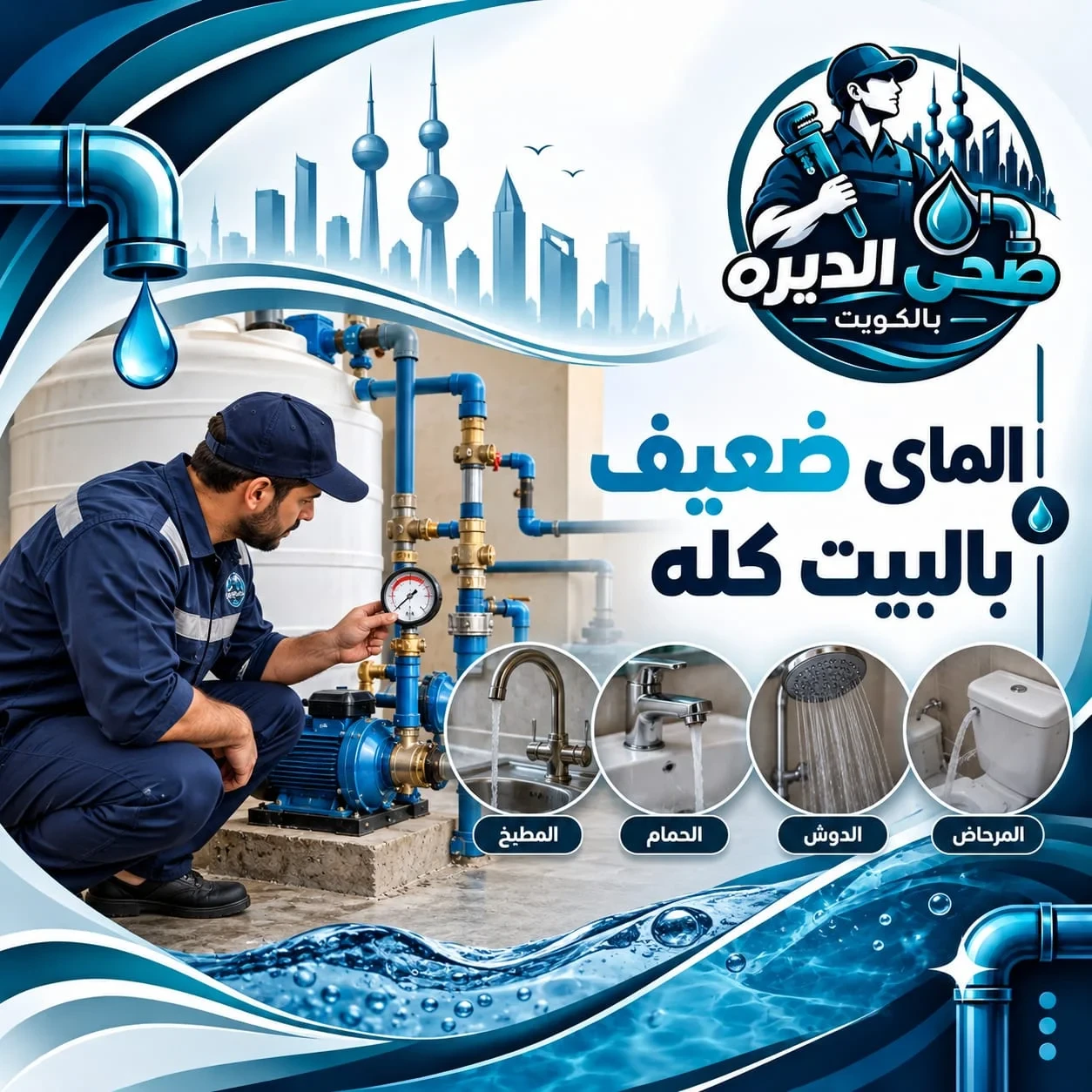 🛠️ Weak Water Flow Solutions
Low Water Pressure Throughout Your Home? Inspect Before Pumping
 🛠️ Pump Repair & Service
Water Pump Cycles On and Off Fast? Have the Cause Checked
 🛠️ Filter Service & Cartridge Change