Drain Camera Inspection or Cleaning? Choose After Diagnosis
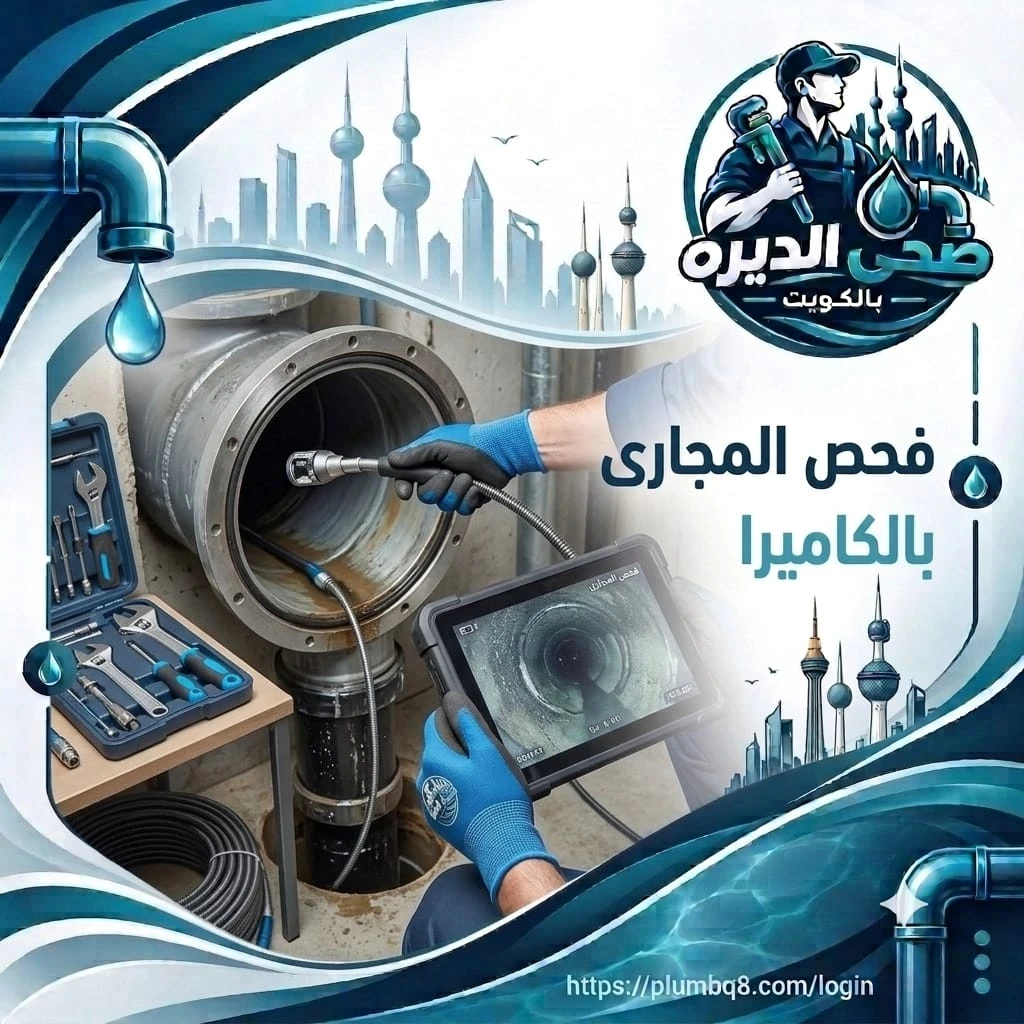
Your drain was blocked, you had it cleared, and a few days later water started collecting again or backing up through the floor drain. At this point, the question is not simply how to clear the blockage again, but why it returned in the first place. Some situations require another drain cleaning because the original buildup was not completely removed. Others involve a foreign object or a problem inside the pipe that causes repeated blockages. A drain camera inspection can help identify the cause and its location, but it is not necessary for every blockage, especially when a simple problem was successfully resolved the first time. This article explains when to choose a camera inspection, when cleaning may be sufficient, and what you should know before paying for another inspection or repeating the same repair.
Drain Camera Inspection or Drain Cleaning

Choosing between drain camera inspection or drain cleaning depends on the nature of the problem and what you need the service to accomplish. Drain cleaning aims to remove an obstruction or break up accumulated material that prevents water from flowing normally. A camera inspection, on the other hand, allows the technician to examine accessible sections inside the drainage pipe and identify visible conditions that may explain the blockage. The two services should not be considered identical alternatives because each answers a different question.
If your kitchen sink drain becomes blocked for the first time because of grease and food residue accumulated near the sink, suitable drain cleaning may be sufficient after the obstruction has been located and normal drainage has been confirmed. However, if the problem returns shortly after cleaning, it becomes important to determine whether deposits remain inside the line or whether a persistent obstruction is causing waste to collect in the same location.
Consider a homeowner who has requested bathroom drain cleaning twice within one month. Each time, water begins draining normally, but the flow becomes weak again shortly afterward. A recurring problem of this kind deserves a broader assessment than simply using the same cleaning tool again. The objective is to understand why the blockage returns, not merely to create a temporary passage for water.
A camera allows the technician to view sections inside the pipe when a suitable access point is available and conditions permit the equipment to pass through. It may reveal accumulated deposits, a foreign object, or visible damage to part of the pipe. However, the footage does not necessarily reveal everything. Cloudy water, heavy deposits, and pipe bends can prevent certain details from being seen.
Not every drainage line requires a camera inspection before cleaning. If the blockage is localized, its cause is reasonably clear, and drainage has been successfully restored and tested, further inspection may not be necessary. If the problem repeatedly returns or affects several outlets, camera inspection may provide useful information for deciding what to do next.
Regarding costs, drain cleaning and camera inspection are separate services, and each may be charged independently depending on the work involved. Before approving either service, ask whether the objective is to clear the blockage, investigate why it keeps returning, or perform both procedures according to the inspection findings.
-
If the blockage is new and limited to one drain, suitable cleaning may be enough after the obstruction has been located and normal flow tested, without immediately needing to inspect the entire pipe with a camera.
-
If the blockage returns shortly after previous cleaning, the earlier results should be reviewed to establish whether the deposits were removed adequately or whether a persistent obstruction requires a different type of inspection.
-
If several floor drains are affected at the same time, the possibility of a problem in a shared drainage line should be assessed before treating every outlet as an independent blockage.
-
If a technician recommends camera inspection, ask which section will be examined and what question the inspection is intended to answer because the camera is a diagnostic tool rather than equipment for removing obstructions.
-
When comparing the cost of drain cleaning with camera inspection, remember that cleaning restores the passage of water while inspection helps identify the underlying problem, and either one or both may be appropriate depending on the pipe's condition.
When Does a Drain Need Camera Inspection?
Understanding when a drain needs camera inspection becomes important when the symptoms are unclear or a blockage returns despite appropriate cleaning. Internal camera inspection is not a mandatory step for every blocked drain. However, it can be useful when an ordinary assessment does not provide enough information to identify the cause or location of the obstruction.
One warning sign is a blockage that repeatedly develops in the same line even though water flows normally immediately after cleaning. In this situation, some deposits may remain, or there may be a point inside the pipe where waste continually accumulates. A camera may help identify that location if the pipe's condition permits a clear view, although it cannot guarantee that every possible cause will be identified during the first attempt.
If drainage is slow in several bathrooms or water backs up through one floor drain whenever another outlet is used, the problem may involve a shared drainage route. The technician should first understand the layout of the drainage network and identify available inspection points. They can then determine whether camera footage would provide information useful for selecting a repair method.
Consider a situation where water backs up through the bathroom floor drain whenever the washing machine discharges water, while the sink appears to drain normally when used alone. This symptom may indicate a problem that becomes noticeable when a larger volume of water passes through a shared section. However, it does not establish the exact location of the obstruction. Inspection should begin by reviewing the drainage route, and a camera may be useful if the cause remains unclear.
Camera inspection may also be worth considering when a solid object is suspected inside the pipe, when localized damage is possible, or when an unusual change in the pipe's route needs investigation. However, if the pipe is filled with standing water or deposits that prevent the camera from passing through, the technician may need to improve access before filming.
A camera does not accurately measure pipe slope in every situation, nor does it independently establish the cause of every area of standing water. Some problems require additional tests or measurements. Camera footage should therefore be treated as part of the diagnostic process rather than a final judgment about the entire drainage system.
Before booking the service, ask whether an inspection opening is available, whether the pipe is suitable for the equipment, and how the findings will be explained. These details help you understand whether camera inspection is appropriate before paying for it.
-
If a blockage repeatedly develops in the same pipe after suitable cleaning, camera inspection may help establish whether deposits remain or whether waste is collecting at a particular point that requires a different treatment.
-
If water backs up through one floor drain when another outlet is used, the shared line and inspection access points should be identified before selecting where to insert the camera so the examination follows the route most likely to be affected.
-
If a solid object or pipe damage is suspected, camera footage may help reveal the obstruction and estimate its location, but the reliability of the findings depends on pipe conditions and whether the camera can reach the area.
-
If standing water or heavy deposits obstruct visibility, the technician may need to improve the conditions for inspection rather than treating an unclear image as proof that the pipe is in good condition.
-
Before paying for camera inspection, ask why it is needed, how much of the line will be examined, and how the findings will be explained so the decision is based on a genuine problem rather than an unnecessary additional service.
Sewer Blockage Keeps Returning After Cleaning

When a sewer blockage keeps returning after cleaning, the approach should shift from simply reopening the drain to understanding why it becomes blocked again. Successful cleaning that allows water to pass does not always mean the underlying cause has disappeared, particularly if a section of the pipe traps deposits, a foreign object restricts waste movement, or the pipe itself has a structural problem.
The first important detail is how long it takes for the blockage to return. If the problem reappears within hours or days, the obstruction may not have been removed completely, or a persistent condition may still be affecting drainage. If it returns after a longer period, the technician should review how the drain is used, what materials enter it, and the condition of the connected plumbing.
Consider a kitchen drain that repeatedly becomes blocked despite cleaning. If grease continually accumulates inside the line, the technician may need to assess how thoroughly the buildup was removed and how the drain is used every day. Simply opening a narrow passage that allows water to flow temporarily may not be enough. However, grease should not automatically be assumed to be the cause without inspection because a foreign object or a problem with the connections may produce similar symptoms.
In another situation, a bathroom drain repeatedly becomes blocked after every cleaning, with noticeably slow drainage from several outlets. The technician needs to establish whether those outlets connect to the same line and whether the obstruction is located in a local branch or a shared section before repeating work at the same access point.
Repeatedly using chemical drain cleaners without knowing the condition of the pipes or the type of blockage is another mistake. Certain chemicals can be dangerous when used incorrectly or mixed with other substances. They may also expose the technician to hazards when the line is opened later. Always tell the technician about any products used before the inspection.
If the problem involves damage or visible deformation in part of the pipe, removing deposits alone may not prevent the blockage from returning. The technician should identify the affected section and assess appropriate repair options rather than repeating the same cleaning procedure without changing the outcome.
Regarding costs, repeatedly paying for drain cleaning can eventually cost more than an appropriate inspection that identifies the underlying cause. However, this depends on the actual circumstances. Not every recurring blockage requires demolition or pipe replacement, which is why diagnosis is important before making expensive decisions.
-
If the blockage returns within days of cleaning, establish what was done during the previous visit and whether drainage was tested afterward because a rapid recurrence may indicate that the original problem was not fully resolved.
-
If kitchen drain blockages keep returning, the type of waste and buildup inside the line should be evaluated rather than assuming that the same cleaning method is appropriate every time without investigating why deposits accumulate.
-
If several floor drains are repeatedly affected, the shared drainage route should be examined before cleaning each outlet separately because a single section may be responsible for problems at multiple locations.
-
If chemical drain cleaners were used before the technician arrived, provide the product details and when they were applied because chemicals remaining inside the line may create hazards during inspection or cleaning.
-
If blockages continue despite several appropriate cleaning attempts, discussing an assessment of the pipe's condition and the reason for recurrence is preferable to repeatedly paying for temporary work without a clear diagnosis.
Camera Inspection Before Repeating Drain Cleaning
Camera inspection before repeating drain cleaning is worth considering when the pipe has already been cleared but the problem has returned without an obvious explanation. The idea is not that a camera must always be inserted before another cleaning attempt. Rather, it is to understand the obstruction before using equipment that may not be suitable for it. Soft deposits differ from solid objects, and narrowing caused by pipe damage requires a different approach from an ordinary blockage.
One of the most useful things camera footage can show is the appearance and approximate location of an obstruction when visibility is clear. For example, the technician may see a buildup concentrated in one section, a solid object preventing waste from passing, or a visible change in the pipe's shape. This information helps determine an appropriate treatment method instead of repeatedly inserting cleaning equipment without knowing what is inside the pipe.
Suppose a bathroom drain was cleared but became blocked again one week later. If there is a suitable inspection opening and the line can accommodate a camera, filming may help establish whether deposits remain in the same location or whether another obstruction has appeared. However, if the pipe contains cloudy standing water that prevents visibility, the technician may need to improve the conditions before relying on the images.
Camera inspection does not always have to precede drain cleaning. Sometimes a blockage is so severe that the camera cannot enter the pipe, making it necessary to open an initial passage before inspection. The correct sequence depends on the pipe's condition and available access rather than a fixed rule that applies to every property.
It is also important to understand that seeing an obstruction does not necessarily explain why it developed. The camera may reveal accumulated deposits, but determining why they collect in that location may require an assessment of the pipe's condition, usage patterns, and drainage route. Footage supports diagnosis but does not replace technical interpretation.
Camera inspection before another cleaning attempt may have a separate charge from removing the blockage. Ask whether the service covers visual inspection only, whether locating the problem is included, and whether the line requires preparation before the camera can be inserted. This prevents additional expenses without a clear understanding of their purpose.
-
If the same line has already been cleaned several times, camera inspection may help establish whether the recurring obstruction remains in the same location or whether the problem has developed elsewhere along the drainage route.
-
If a solid object may be lodged inside the pipe, the possibility of inspecting it before using powerful equipment should be assessed because inappropriate tools could push it into a more difficult location or damage a deteriorated line.
-
If the camera cannot pass through the blockage, the technician may need to create a limited opening using a suitable method before completing the inspection rather than abandoning the diagnostic process entirely.
-
If deposits are clearly visible in the footage, establish whether they are the main reason drainage has stopped or the result of another problem that causes material to collect in that particular location.
-
Before approving camera inspection, ask about the scope of the examination, how the findings will be explained, and whether subsequent cleaning is charged separately so the service is chosen according to an actual need.
Sewer Camera Inspection Technician in Kuwait
Choosing a sewer camera inspection technician in Kuwait involves more than finding someone who owns a camera. The real value of the service lies in the technician's ability to interpret what appears on the screen and connect those observations to the blockage symptoms. A camera may produce a clear image of part of a pipe, but without identifying the entry point, direction of travel, and pipe route, it may be difficult to establish which section is actually affected.
Before inspection begins, the technician needs to know where the problem appears, how many outlets are affected, and what happened during any previous cleaning attempts. This information helps select a suitable access point rather than inspecting sections unrelated to the complaint. It is also useful to establish whether inspection chambers or cleanout openings are available so the camera can be inserted without unnecessarily dismantling fixtures or removing finishes.
Consider a homeowner who reports water backing up through a courtyard floor drain whenever several bathrooms are used. The technician needs to understand how those outlets connect to the shared drainage line before inserting the camera. Inspecting an unrelated side branch may produce images of a perfectly clear pipe without explaining the water backup.
Understanding the equipment's limitations is another important part of a useful inspection. Pipe diameter, route length, the number of bends, and the amount of standing water can all affect how far the camera travels and how clearly it records. Not every camera is suitable for every drainage system, so the technician should determine whether the available equipment can inspect the intended line.
Some inspection cameras provide information about the distance traveled from the entry point, and certain systems include additional equipment that can help locate the camera head from outside the pipe. However, a distance reading alone does not establish the exact fault location, particularly when the pipe route is unknown or contains several bends.
Homeowners should also receive an understandable explanation of the findings. They do not need to understand every technical detail, but they should know whether the footage suggests a removable obstruction, damage requiring further assessment, or conditions that prevent a reliable conclusion.
The cost of inspection varies according to accessibility, pipe length, blockage conditions, and the scope of the examination. Agree on what is included before work begins, particularly when preliminary cleaning or other preparation may be necessary.
-
When booking a sewer camera technician, describe where water backs up and what happened during previous cleaning attempts so the technician can select an inspection point related to the problem rather than filming unrelated pipe sections.
-
If the drainage line is long or contains numerous bends, establish whether the equipment is suitable for the pipe diameter and route because different cameras have different access capabilities.
-
If the technician identifies an obstruction using the distance traveled by the camera, ask how the measurement relates to the entry point and pipe route before approving excavation or opening a wall based on an uncertain location.
-
If the technician provides footage or photographs from inside the line, request an explanation connecting the visible conditions to the suspected cause because an image alone does not determine the repair required.
-
When comparing sewer camera inspection prices, ask whether the service includes filming, explaining the results, and locating the problem where possible, or whether each procedure carries a separate charge.
Identifying the Cause of Recurring Drain Blockages
Identifying the cause of recurring drain blockages requires distinguishing between the material currently blocking the pipe and the conditions that allow it to accumulate repeatedly. Hair, grease, or other deposits may explain the immediate obstruction, but they do not always explain why the problem returns after removal. Sometimes the cause is related to how the drain is used, while other situations involve the pipe's route or internal condition.
The first aspect to review is the type of waste entering the line. Kitchen drains carry wastewater that may contain grease and food residue, while bathroom drains can be affected by hair, soap, and unsuitable materials entering the floor drain. Understanding usage patterns helps identify possible buildup, but it does not replace confirming the actual cause.
Another possibility worth investigating is a change in the pipe's shape or an irregular joint that allows waste to catch. Damage to part of the line or a persistent obstruction may also cause blockages to develop repeatedly in the same location. However, slow drainage alone cannot establish that these conditions exist. Appropriate inspection evidence is needed.
Consider an external drainage line that becomes blocked periodically, with the homeowner noticing that the problem appears after a large volume of water is used. This observation may indicate that the line is not carrying the required flow normally, but it does not prove that the pipe is broken or improperly sloped. The technician needs to review the route and accessible sections and select additional tests if necessary.
In some systems, plant roots may enter damaged pipes or poorly sealed joints, particularly in outdoor drainage lines near trees. However, trees growing close to a drain do not prove that roots have entered the pipe. This possibility should be confirmed before treatment is recommended.
If recurring blockages began after a new bathroom or kitchen was connected to the existing network, the technician may need to assess how the new pipes were connected to the older line. Increased usage or changes to the drainage route may expose an existing problem or introduce unsuitable flow resistance, depending on the system's design.
The lasting solution depends on the confirmed cause. Removing deposits is different from extracting a solid object, and repairing a damaged pipe section is different from changing how a drain is used. A proper diagnosis prevents the same work from being repeated without addressing the underlying problem.
-
If kitchen drain blockages repeatedly occur, review the type of material removed during cleaning because identifying the waste can help establish whether the problem is related to usage or a persistent obstruction inside the pipe.
-
If camera footage reveals an obvious change in the pipe's shape or one of its joints, assess how it affects water movement before assuming that all visible deposits are the primary cause of the blockage.
-
If an external drain runs close to plant roots, root intrusion may be worth investigating when suitable signs are present, but the proximity of trees alone does not establish that roots are inside the pipe.
-
If the problem began after drainage modifications or a new outlet was added, review the connection arrangement and drainage route rather than repeatedly cleaning the line without examining the change that preceded the problem.
-
If a persistent condition causing waste accumulation has been identified, the treatment should address that condition because removing only the current blockage may allow the problem to return shortly afterward.
Repeating Drain Cleaning After Inspection
Repeating drain cleaning after inspection is different from cleaning again without diagnosis because the technician now has information that can guide the treatment method. If inspection shows deposits that can be removed, another cleaning may be appropriate. However, if there are signs of damage or an unusually lodged solid object, a different plan may be required before using cleaning equipment.
The type of cleaning equipment should be suitable for the obstruction and the pipe's condition. Some methods use mechanical tools to remove blockages, while others use cleaning equipment appropriate to the line. Choosing the most powerful method without assessment is not always better, especially when pipes are old or damaged.
Suppose camera footage reveals a substantial accumulation of deposits inside part of a kitchen drain, and the pipe is in a condition that permits cleaning. The technician can select a suitable method for removing the buildup and then confirm whether water flow has improved. However, if signs of narrowing remain in the same location, the result may need further assessment rather than treating the newly opened passage as a complete repair.
In another situation, a solid object appears inside the pipe. The treatment depends on its size, shape, location, and accessibility. Pushing every foreign object farther along the line is not appropriate because doing so may move it to a more difficult location or cause a blockage in a shared section of the network.
If inspection reveals visible pipe damage, the safety of using cleaning equipment must be evaluated before work begins. The problem may involve the structure of the pipe itself, and cleaning without considering its condition may not provide a lasting result.
Testing drainage after the work is also important. The test should not consist solely of pouring a small amount of water down the drain and observing that it disappears. Performance should be assessed under conditions appropriate to the line's normal use without creating a risk of flooding or damage. In some situations, camera inspection after cleaning may help verify the condition of the treated section.
Costs depend on the type of obstruction, removal method, and pipe condition. A final price should not be assumed before establishing whether the work involves ordinary cleaning, extracting an object, or repairing a damaged section.
-
If inspection reveals removable deposits, a cleaning method suitable for the buildup and pipe condition can be selected rather than repeating the same procedure that failed to produce a lasting result previously.
-
If a solid object appears inside the line, the technician must determine whether extraction or another method is more appropriate because pushing it forward without assessment may move the blockage to a more difficult location.
-
If the pipe is damaged or visibly deformed, the safety of using cleaning equipment should be assessed before work begins to avoid worsening the existing damage.
-
If water begins flowing again after cleaning, drainage should be tested under suitable conditions to confirm that the improvement is not merely the result of a small temporary passage through the remaining deposits.
-
If inspection shows that the pipe requires additional repair, the difference between the cost of removing the current blockage and the cost of correcting its underlying cause should be explained before the work is approved.
Detecting a Foreign Object Inside a Drain Pipe
Detecting a foreign object inside a drain pipe requires a different approach from treating an ordinary accumulation of waste. A solid object may become lodged at a bend or joint and gradually interfere with the movement of waste. In some cases, it does not cause a complete blockage immediately. Instead, other materials collect around it over time until drainage begins to slow.
Foreign objects can enter drainage lines in several ways, including small items falling through a floor drain or unsuitable materials being flushed down a toilet. However, not every object entering a drain remains inside the pipe, and not every recurring blockage is caused by something solid. The diagnosis must therefore be supported by appropriate evidence.
One benefit of camera inspection is that it may reveal the object's shape and approximate location when it is within the camera's field of view. Sometimes, however, the object is covered by deposits or positioned behind a bend that is difficult to film. The technician should recognize these visibility limitations before making a definite conclusion about the obstruction.
Consider a child accidentally dropping a small plastic object into the toilet, after which drainage becomes slower than usual. Knowing about the incident helps direct the inspection, but it does not necessarily mean that the object has reached the main sewer line. It may remain trapped in a section close to the toilet or have moved farther into the drainage route. Its location should therefore be established before attempting removal.
Repeatedly using powerful tools to push an unidentified object through the pipe is another mistake. Some objects may move farther into the network instead of coming out and become lodged somewhere more difficult to access. Inappropriate equipment can also damage certain pipe connections.
If the object is visible and accessible, the technician can select a removal method based on its size, shape, and the pipe's condition. If access is difficult or damage is present, a different repair plan may be required instead of continuing to use drain cleaning equipment.
The cost of removing a foreign object may differ from ordinary deposit removal, particularly when additional equipment or access to a specific pipe section is required. The nature of the work should therefore be established before agreeing on a price.
-
If a solid object may have fallen into a toilet or floor drain, tell the technician what it was and when it happened because this information helps identify the possible route before cleaning equipment is used.
-
If an object appears inside the pipe during camera inspection, its size, position, and how it is lodged should be assessed before selecting a removal method because pushing it farther along may make access more difficult.
-
If the object is covered by deposits or visibility is unclear, its identity should not be treated as confirmed from inadequate footage because this could lead to an unsuitable treatment method.
-
If the object is trapped near a joint or bend, extraction may require particular care to avoid damaging the surrounding pipe while attempting to move it.
-
After the foreign object has been removed, drainage should be checked and any remaining accumulated waste assessed rather than assuming that removing the object alone has completely resolved the problem.
Inspecting the Sewer Line Before Cleaning
Inspecting the sewer line before cleaning does not mean that every blockage requires a camera from the beginning. It means that the technician should assess the problem before choosing the treatment equipment. Some blockages are close to the drain opening, while others involve a shared line or a distant section. Using equipment at the wrong location can waste time without producing a useful result.
The initial assessment usually begins by identifying the affected outlets and how the problem appears. Does water collect only in the kitchen sink? Does it back up through the bathroom floor drain when the washing machine operates? Is drainage slow at several points? These questions help establish the likely extent of the blockage before any equipment is inserted.
Reviewing the available access points is also important, including inspection chambers and cleanout openings where present. Choosing a suitable point may allow the technician to reach the affected section without dismantling fixtures or removing finishes unnecessarily.
Suppose water backs up through a courtyard drain, but the homeowner requests cleaning of the bathroom floor drain because they believe it is responsible. If the symptoms are associated with a shared line, examining the external drainage route and inspection points may be more appropriate before beginning work on the internal outlet.
The technician also needs to know whether chemical products or household drain cleaning tools were used before arrival. Some chemicals may remain inside the pipe and create hazards when it is opened, while previous cleaning attempts may have changed the obstruction's condition or location.
Gurgling sounds and slow drainage should not automatically be treated as proof of the blockage's exact location. These symptoms may indicate a drainage problem, but several conditions can produce them. They must therefore be interpreted alongside the network layout and inspection findings.
If the problem is clear and limited to an accessible section, suitable cleaning may be performed without camera inspection. If the evidence is insufficient or the blockage keeps returning, further examination may be appropriate before another treatment attempt.
-
If the blockage affects only one outlet, the nearby drainage components should be assessed first before moving to the main line because the problem may be limited in scope.
-
If water backs up through one floor drain when another outlet is used, the relationship between the outlets and their shared drainage route should be reviewed so the correct inspection and cleaning access point can be selected.
-
If a suitable inspection chamber or cleanout opening is available, it may provide access to the affected section without unnecessarily dismantling fixtures or opening finished floors.
-
If chemical products or cleaning tools were previously used, the technician should be informed before work begins so the potential hazards and pipe conditions can be considered.
-
If the initial assessment does not establish the cause or location of the blockage, camera inspection or another appropriate test may be preferable to repeatedly using cleaning equipment without a clear plan.
Camera Inspection for Drain Pipe Problems
Camera inspection for drain pipe problems helps examine sections of a drainage network that are difficult to see from outside, particularly when blockages recur or signs suggest a problem within the pipe itself. However, it is important to understand that the camera provides internal images, while identifying the underlying cause requires interpreting those images alongside the symptoms and the drainage system's condition.
Camera footage may reveal accumulated deposits, foreign objects, visible changes in pipe shape, or damage to part of the line. In some situations, irregular joints or plant roots entering the pipe may also be visible. However, the level of detail depends on visibility, access, and the condition of the water inside the pipe.
Suppose the camera reveals standing water in one section of the line. That image alone is insufficient to conclude that the pipe has an incorrect slope. The water may be present because of operating conditions, an obstruction, or a particular design feature. Additional measurements or tests may be needed before deciding that the drainage pipes require modification.
If the footage shows something resembling a crack or damage to the pipe's inner wall, the technician should evaluate image clarity and the surrounding section before recommending that the floor be opened. The decision depends on the nature of the damage and its effect on drainage, not a single unclear image.
One advantage of camera inspection is that it may help narrow down the area requiring repair rather than treating the entire line as damaged. If a section requiring attention is identified, the technician can discuss access options and assess the work involved. However, camera inspection cannot guarantee that excavation or demolition will be avoided in every situation because certain repairs require physical access to the pipe.
Not every problem identified inside a drain requires replacement. Some conditions can be addressed through suitable cleaning, while others may require repairing part of the line. The appropriate solution depends on the actual inspection findings and the condition of the pipes.
With Sehi Al Deira, you can request an assessment of recurring sewer blockages and discuss whether camera inspection or another cleaning attempt is appropriate based on the symptoms and available access points. The objective is to select a service based on an identifiable problem rather than repeating the same treatment without understanding why the blockage returns.
-
If the camera reveals deposits or a foreign object, the footage should be connected to the blockage location and symptoms before choosing a removal method because the presence of waste inside the pipe does not always mean it is the only cause.
-
If standing water appears inside the pipe, operating conditions should be assessed and suitable tests performed before concluding that the pipe slope is defective because camera footage alone cannot establish every cause of water accumulation.
-
If the recording suggests damage to part of the pipe, image clarity and the affected section's location should be confirmed before deciding to open the floor or replace drainage pipes.
-
If camera inspection helps identify the area requiring attention, it may reduce unnecessary work, but it cannot guarantee that opening or excavation will be avoided when the actual repair requires access to the pipe.
-
If you are uncertain whether to repeat drain cleaning or request camera inspection, choose the service that answers the main question in your situation: whether you need to remove a known obstruction or identify why a blockage continues to return despite treatment.
Conclusion
If a drain becomes blocked once, the cause is clear, and suitable cleaning successfully resolves the problem, camera inspection may not be necessary. However, if the blockage keeps returning, water collects at several outlets, or previous cleaning does not provide a lasting result, it is better to investigate the cause before repeating the same work.
Drain camera inspection or drain cleaning is not a choice between a good service and a bad one. Each serves a different purpose. Cleaning removes an obstruction, while camera inspection helps assess the pipe's condition and identify some possible reasons for recurring blockages. The appropriate decision depends on the symptoms, accessibility, and inspection findings.
With Sehi Al Deira, you can request an assessment of recurring sewer blockages in Kuwait and determine whether the situation calls for another cleaning attempt or a camera inspection before choosing a repair. The important thing is to match the treatment to the actual cause rather than repeatedly paying for drain cleaning without a lasting result.
Frequently Asked Questions About Drain Camera Inspection and Cleaning
Which is better, drain camera inspection or drain cleaning?
It depends on the problem. If the blockage is clear and localized, suitable cleaning may be sufficient. If it keeps returning or the cause is unknown, camera inspection may help identify the obstruction and assess the pipe's condition before choosing a treatment.
When does a drain need camera inspection?
Camera inspection may be appropriate when a blockage returns after cleaning, several outlets are affected, or a foreign object or internal pipe problem is suspected, particularly when an ordinary assessment cannot identify the cause.
Why does a sewer blockage return after cleaning?
Deposits may not have been completely removed, a persistent object may be trapping waste, or a section of the pipe may have a problem. Usage patterns can also contribute to recurring blockages, so the actual cause should be established rather than assuming one explanation.
Can a sewer camera clear a blockage?
No. The camera is designed for inspection and imaging, not drain cleaning. It may help identify the type and location of an obstruction, after which the technician selects a suitable removal method.
Must the sewer be cleaned before inserting a camera?
Not always. If the camera can pass through the pipe and visibility is clear, inspection may be performed directly. If the obstruction prevents access or visibility, the technician may need to create a suitable passage before completing the examination.
Can a camera detect a broken drain pipe?
A camera may reveal visible damage or cracks inside a pipe when they are within its field of view. However, some situations require additional tests to assess the damage and determine the appropriate repair.
Can camera inspection identify the exact blockage location?
It can help establish an approximate location, and some equipment includes additional features that help locate the camera head from outside the pipe. The accuracy depends on the equipment, pipe route, and inspection conditions.
How much does sewer camera inspection cost in Kuwait?
The cost varies according to pipe length, diameter, access points, blockage conditions, and the scope of the service. Ask whether the price includes filming and an explanation of the results or whether cleaning and additional procedures are charged separately.
Does removing a foreign object from a drain pipe require excavation?
Not necessarily. It depends on the object's type, location, and accessibility. Some objects can be extracted using suitable equipment, while others may require additional work after their location has been established.
When should I call a sewer camera inspection technician in Kuwait?
If a blockage keeps returning despite cleaning, several drains are affected, or a persistent obstruction is suspected inside the pipe, requesting a professional assessment is appropriate to determine whether camera inspection would help identify the cause before repeating the work.
Need help from a plumber?
Related articles
 🪠 Bathroom & Toilet Drain Unclogging
Toilet Clogged? Is the Blockage in the Toilet or Drain Pipe?
🪠 Bathroom & Toilet Drain Unclogging
Water Backing Up From the Bathroom Drain? Check the Shared Line
 🪠 Kitchen Drain Unclogging