Water Filter Technician: Prepare Device and Cartridge Details
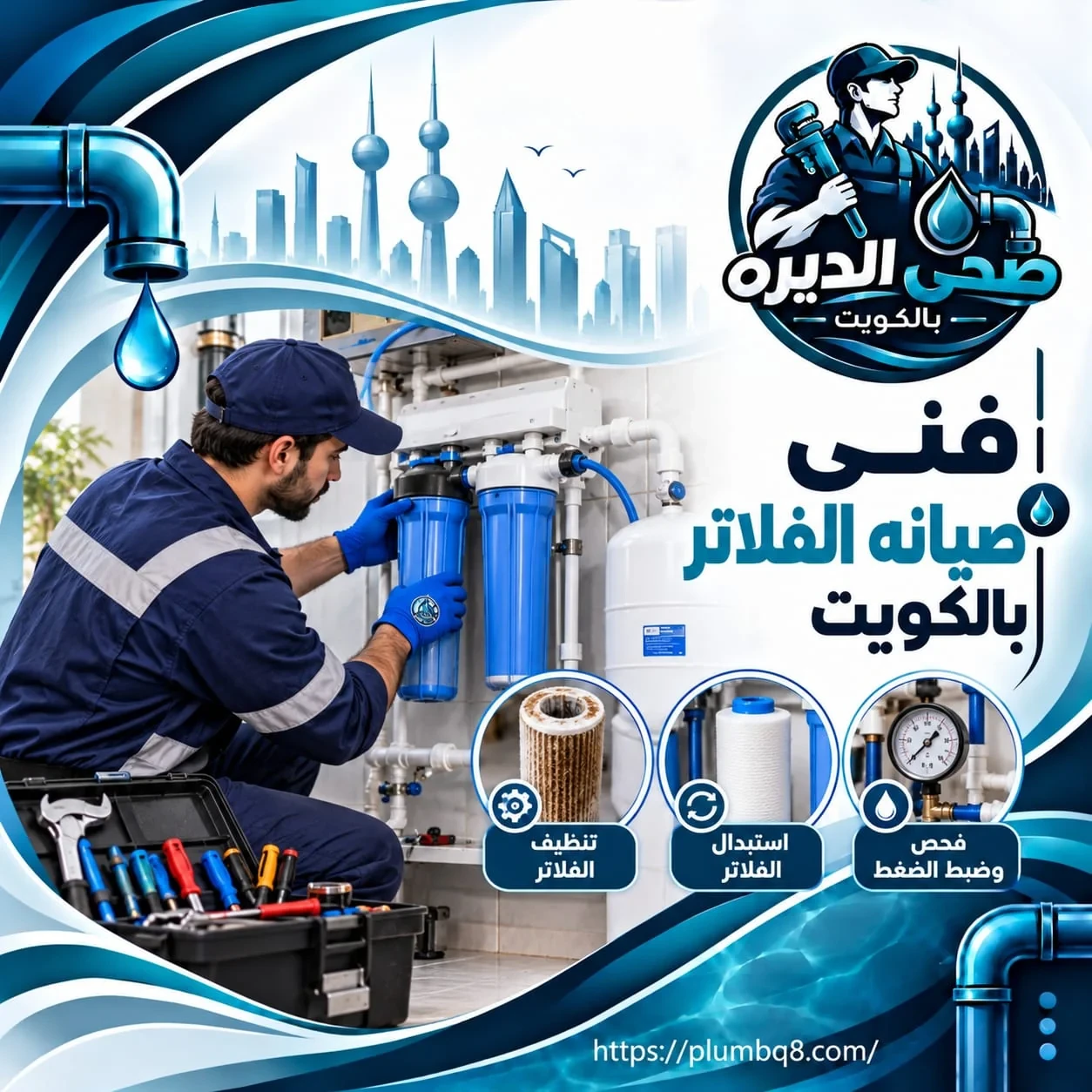
When you need maintenance for your home water filter, simply telling the technician that the filter needs new cartridges is not enough. Water filtration systems differ in the number of stages, cartridge dimensions, and connection methods. You may have a three-stage filter with cartridges housed inside removable canisters, or a seven-stage system containing a reverse osmosis membrane, storage tank, and additional connections. If the technician arrives without knowing your system type, the available replacement cartridges may not fit, requiring another visit. Preparing clear photographs of the filter, its model information, and the number of stages before booking helps identify the necessary components and maintenance requirements. This article explains which information to prepare, how cartridges differ, and when the system needs inspection rather than routine replacement.
Plumbing Technician for Water Filter Maintenance

When you request a plumbing technician for water filter maintenance, the first thing the technician needs to know is not simply that the filter is installed beneath the kitchen sink. They also need to understand the type of system and the problem you want resolved. Replacing cartridges that have reached their recommended service interval is different from investigating low water flow or leakage from a filter housing. Each situation requires different preparation, whether in terms of replacement parts, equipment, or the time needed for maintenance.
Imagine having a filter that has been installed for some time, and the water flow from its dedicated faucet has gradually become weaker. The cause could be a clogged cartridge, but it would be incorrect to assume that replacing it will solve the problem before examining other possibilities. In reverse osmosis systems, for example, reduced flow may be associated with the condition of the storage tank, its pressure, or another component along the water pathway, depending on the system's design.
Important information to prepare before the technician arrives includes the manufacturer's name printed on the device, the number of filtration stages, and a photograph of the identification label if one is available. Some systems are assembled using components from different manufacturers, so the brand name alone may not identify the correct dimensions for every cartridge. A photograph showing the complete system and another showing the visible cartridges can help clarify how the stages are arranged.
It is also useful to know when the last maintenance visit took place and which components were replaced at that time. If you have an old invoice or the packaging from previously installed cartridges, it may contain model numbers or dimensions that help identify compatible replacements. However, if you do not have this information, you should not dismantle the system yourself just to obtain it.
A common mistake is requesting replacement of every filtration stage simply because a certain amount of time has passed, without reviewing the manufacturer's recommendations or the system's condition. Cartridge service life varies according to cartridge type, water consumption, and incoming water quality. Some stages also have different replacement intervals, so it is better to determine what is actually required rather than treating every cartridge as an identical component.
If the filter is leaking, explain the approximate location of the water. Is it dripping from one of the housings, from a tubing connection, or collecting underneath the device without an obvious source? If leakage is continuous, it is advisable to close the filter's water supply valve when it is safe and accessible rather than waiting for water to accumulate inside the cabinet.
A suitable technician should review the device information and confirm cartridge compatibility before installation. After maintenance, the technician should inspect the connections and water flow according to the filter's design. These steps are more important than simply replacing parts quickly because the objective is to restore proper operation without leakage or incorrectly fitted cartridges.
-
If you only need cartridge replacement, tell the technician how many filtration stages the system has and when the cartridges were last changed so the components requiring attention can be identified instead of assuming every stage has the same replacement schedule.
-
If water flow is weak, explain whether the problem developed gradually or appeared suddenly because this information helps distinguish possible cartridge blockage from other faults within the filtration system.
-
If the filter is installed beneath the kitchen sink, prepare a photograph showing the complete system, storage tank, and visible connections so the installation arrangement is clear before the visit.
-
If you have a previous maintenance invoice or cartridge model number, keep it available because matching the old component's specifications reduces the likelihood of bringing an incompatible replacement.
-
If water is leaking from the filter, do not forcefully tighten the housings or connections because certain plastic components may crack, and the appropriate approach is to identify and inspect the source of leakage.
Water Filter Maintenance in Kuwait
Water filter maintenance in Kuwait does not necessarily mean replacing cartridges during every visit. Some systems require cleaning, connection inspections, treatment of reduced water flow, or checks of the storage tank and reverse osmosis membrane. The important point is that the service should be determined by the filter type and the symptoms present, particularly when the system is old or some of its components have previously been replaced with parts different from the original installation.
Consider a seven-stage home water filter installed beneath a kitchen sink. The homeowner notices that the amount of water coming from the faucet has decreased and requests comprehensive maintenance. If the technician assumes that the cartridges are responsible and replaces them all, the flow may remain weak if the underlying problem involves the storage tank or another system component. Maintenance should therefore begin with understanding the symptoms and identifying the necessary inspections.
A noticeable change in water taste or odor also deserves attention. However, such a change does not conclusively indicate that a particular cartridge has failed. Other possible causes may relate to the incoming water, water remaining inside the system, or the condition of one of its components. It would therefore be inappropriate to identify the required replacement part based on taste alone.
Maintenance procedures also differ between a simple three-stage filter and a system containing a reverse osmosis membrane and storage tank. A basic filter generally has fewer components, while multistage systems require attention to water flow direction, connection arrangements, and storage tank operation. The number of stages provides an initial indication of the system's configuration, but it does not identify every component.
Maintenance costs are influenced by the system type, required replacement parts, and nature of the fault. Replacing compatible cartridges is different from repairing a leak or inspecting a pump found in certain systems. It is advisable to ask whether the quoted price includes cartridges, installation labor, and post-maintenance inspection because differences in service scope explain why quotations may vary.
Another mistake is purchasing cartridges based only on a description such as "seven-stage water filter." This description does not necessarily identify the membrane type, dimensions of every cartridge, or connection configuration. Some systems require components designed for a particular model, while others use cartridges with commonly available dimensions.
You should also avoid postponing the inspection of a leak simply because the filter continues producing water. Even minor leakage inside a kitchen cabinet can repeatedly expose surrounding wood and other materials to moisture. If water is collecting beneath the device, the source should be addressed before normal use continues.
Proper maintenance includes confirming that the components handled during the service are securely fitted, checking water flow, and ensuring that no visible leakage remains. For systems requiring flushing or preparation after cartridge installation, the manufacturer's instructions should be followed rather than immediately using the device without completing the required procedures.
-
When requesting water filter maintenance in Kuwait, specify whether you need routine replacement or fault diagnosis because these situations require different preparations, parts, and amounts of time.
-
If the water's taste or smell has changed, do not independently identify a particular cartridge as the cause because the problem requires assessment based on the system type and water conditions.
-
If your filter contains a storage tank and reverse osmosis membrane, inform the technician because inspecting a reverse osmosis system differs from servicing a simple filter without a tank.
-
When comparing maintenance quotations, confirm whether the price includes replacement components, installation, and testing because comparing services with different scopes can be misleading.
-
If you notice moisture inside the kitchen sink cabinet, do not postpone checking the connections even when water flow remains normal because persistent moisture may damage surrounding materials.
Replacing Home Water Filter Cartridges
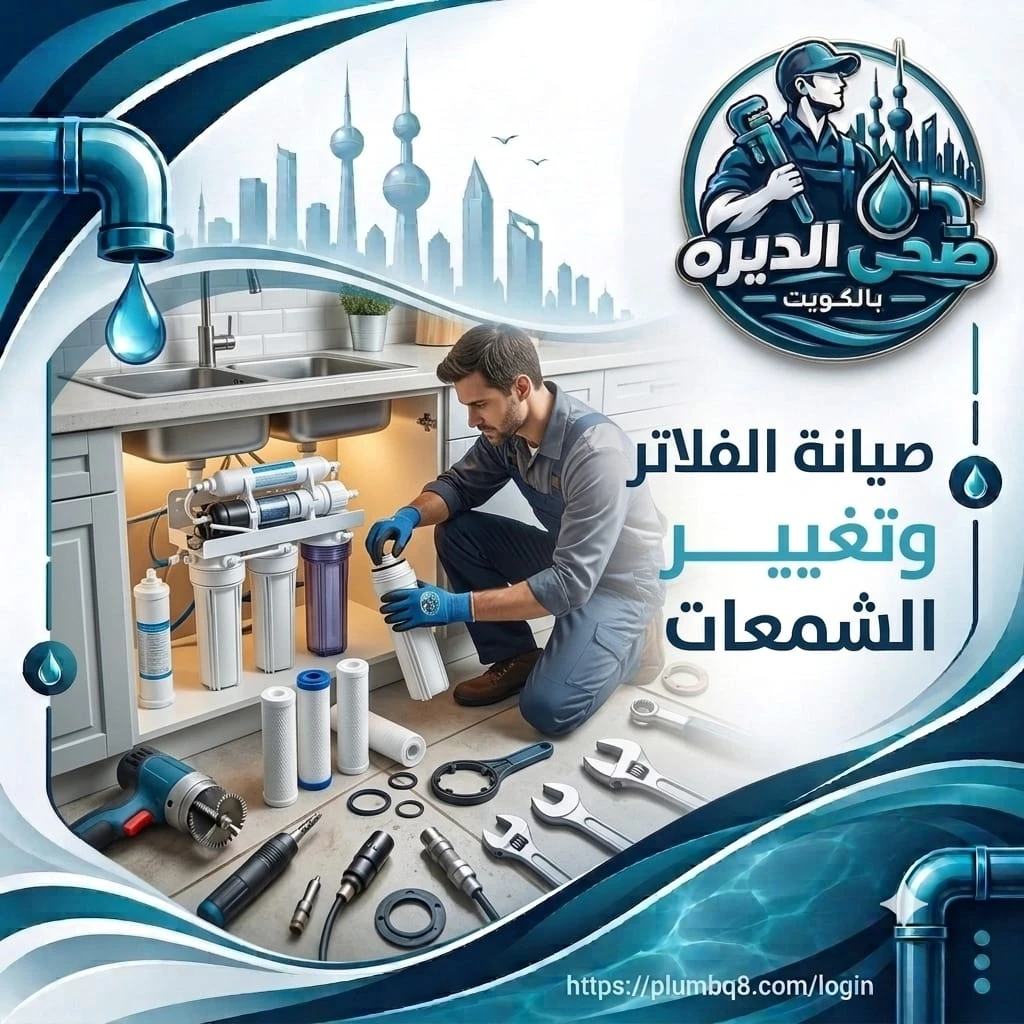
Replacing home water filter cartridges requires knowing the type, purpose, and position of each cartridge within the system. Not every cartridge is the same, even when several are installed in one filter. Certain stages use sediment cartridges, others contain activated carbon, while reverse osmosis systems use a specialized membrane designed to separate a proportion of dissolved substances according to the system specifications and operating conditions.
Imagine owning a three-stage filter and purchasing three replacement cartridges without confirming their dimensions. During installation, you may discover that one cartridge is longer than its housing or has an unsuitable diameter. A cartridge may also have the correct dimensions but different specifications from those required. Dimensions are therefore important, but they are not the only factor determining compatibility.
The arrangement of the filtration stages also matters. In many systems, water first passes through a stage designed to capture sediment, followed by other stages according to the device's design. However, the actual cartridge order must follow the filter's configuration diagram and manufacturer's instructions rather than applying one general arrangement to every system.
Cartridge service life cannot be calculated in exactly the same way for every type. A sediment cartridge may be affected by the quantity of particles present in the water, while carbon stages have operating limits related to their design and usage. Reverse osmosis membranes have different requirements, so assigning one replacement date to all components without consulting product recommendations and operating conditions is not appropriate.
Another mistake is installing a new cartridge inside a housing that has not been inspected or cleaned appropriately. If accumulated deposits remain or the housing's sealing ring is damaged, leakage may appear after reassembly. Cartridge replacement should therefore include examining the housing and seal and confirming that each component is returned to its correct position.
If the cartridge is an inline type connected directly to tubing rather than housed inside a conventional canister, the replacement method is different. Some models use quick-connect fittings, and the technician must ensure that the tubing is inserted to the correct depth and securely attached. The direction of water flow must also be observed when the cartridge has a specified orientation.
After replacement, the manufacturer's instructions for flushing new cartridges and preparing the system for use should be followed. Some carbon cartridges may release fine carbon particles during initial operation, so manufacturers specify preparation procedures before the water is used. These procedures should match the cartridge type rather than relying on one flushing duration for every system.
If water flow was weak before replacement, it is useful to observe whether it improves after the new components are installed. If the problem remains unchanged, further inspection may be required instead of continuing to replace additional cartridges without identifying the cause.
-
When replacing home water filter cartridges, prepare the cartridge names or photographs of their previous packaging because knowing the filtration material and dimensions helps identify a compatible replacement.
-
If the filter uses removable housings, the sealing rings and housing edges should be inspected during replacement because damaged seals may cause leakage even when the new cartridge is correctly installed.
-
If one stage uses an inline cartridge connected directly to tubing, pay attention to the water flow direction and connection method because installation differs from cartridges placed inside housings.
-
If new cartridges require flushing before use, follow the manufacturer's instructions because the preparation method and duration vary according to the filtration material.
-
If water pressure remains weak after replacing the cartridges, do not immediately assume that the new components are defective because another part of the system may require a separate inspection.
Home Water Filter Technician
When you need a home water filter technician, it is better to choose a service based on the type of system and the actual problem rather than simply finding someone who can open filter housings and install new cartridges. Home filtration systems differ in their connections and operating components. Some require inspection of the water pathway, storage tank, and pump, while others are simpler and operate using the available supply pressure.
Imagine having a filter beneath the kitchen sink and requesting a technician because the device has started making an unfamiliar noise. If the system contains a pump, the sound may be associated with pump operation, a control component, or changing water flow conditions. However, if the filter does not contain a pump, the diagnostic approach will be different. Photographs and device information provided before the visit help identify which components are actually installed.
The exact installation location is another useful detail. Is the filter inside the sink cabinet or mounted on a wall? Is the storage tank positioned beside it or in a separate location? Accessibility affects how the inspection can be performed, particularly when connections are behind cabinetry or the available space is too narrow to move components easily.
You should also explain whether the problem appeared after previous maintenance. For example, if the cartridges were replaced a week ago and you subsequently noticed dripping from a particular connection, that information directs attention toward components handled during the previous work. However, it does not automatically prove incorrect installation because older connections may reveal weaknesses when disturbed during maintenance.
Another indication that a more detailed inspection may be necessary is unusual system operation or water failing to reach the dedicated faucet despite an available supply. In this situation, cartridges should not be replaced randomly before checking the valves, connections, and water pathway according to the system design.
If the filter has a pump and is installed near an electrical supply, any leakage must be handled carefully. Water near electrical connections requires the device to be taken out of service safely, without attempting to dismantle electrical components while the surrounding area is wet.
The technician should explain which components will be inspected and which parts may require replacement, especially when the system is an uncommon model. Certain components must be matched using their model numbers, so compatibility and availability should be confirmed before arranging a visit that depends on replacing them.
-
If your filter has a pump, explain whether its sound or operating pattern has changed because this helps determine the inspection requirements instead of focusing only on cartridge replacement.
-
If the device is installed inside a narrow cabinet, prepare a photograph showing the surrounding space so the technician can assess whether accessing the housings and connections requires additional preparation.
-
If the problem began after recent maintenance, explain which components were replaced and when the fault appeared because this sequence helps identify areas associated with the previous work.
-
If water is present near the filter pump or its electrical connections, do not attempt to operate the device or handle the wiring while it is wet, and request an appropriate inspection.
-
If the filter is an uncommon model, ask for confirmation that the required components are compatible before the visit so unsuitable replacements are not installed merely because they are available.
Seven-Stage Water Filter Maintenance
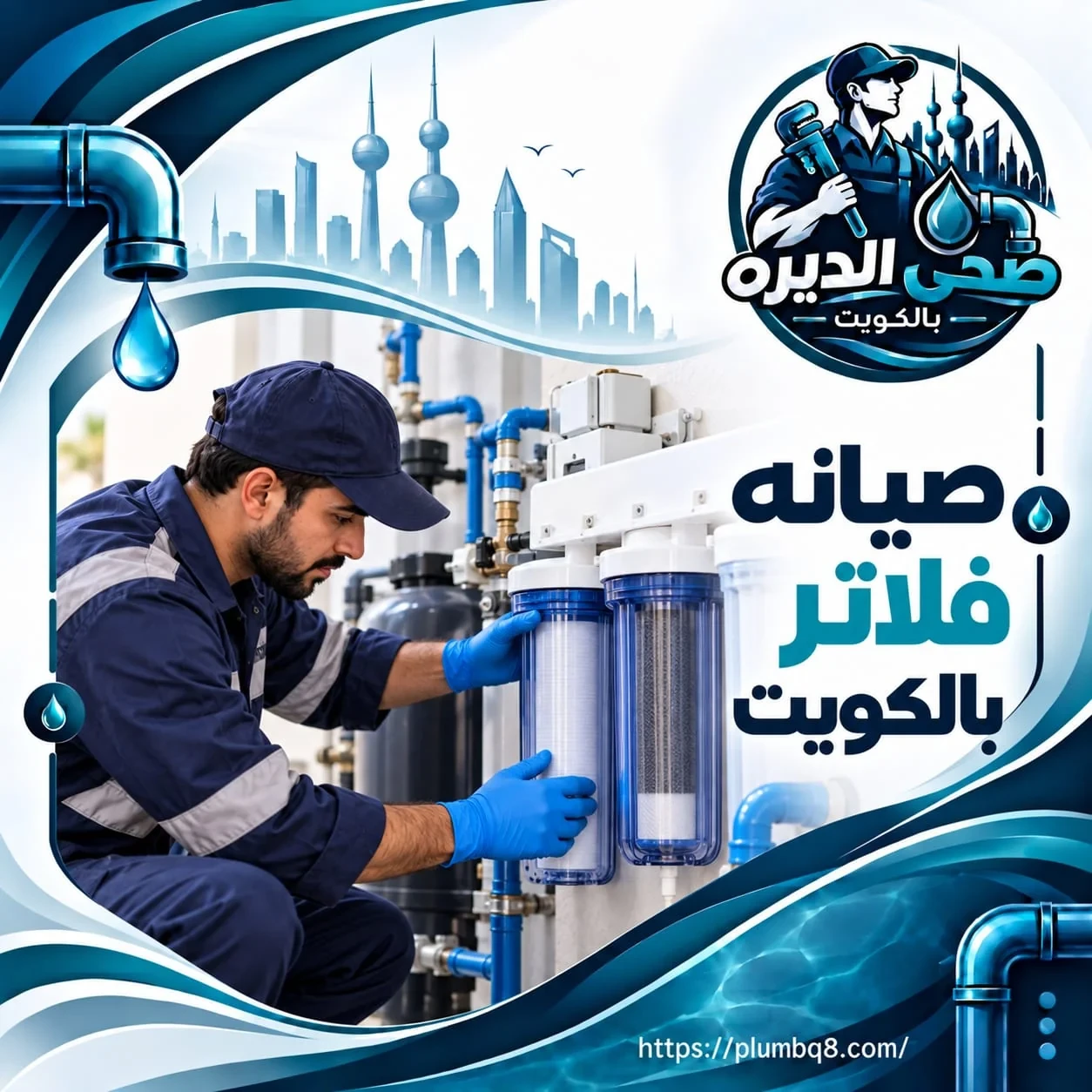
Seven-stage water filter maintenance requires identifying the actual stages installed in the system because the description "seven-stage" does not mean every device contains identical cartridges or follows the same arrangement. Some reverse osmosis systems include preliminary sediment and carbon stages, followed by a membrane, storage tank, and additional filtration stages that vary according to the manufacturer. The number of stages alone is therefore insufficient to prepare all maintenance components.
Imagine having a seven-stage system that begins producing less water than usual. Your first thought may be that the cartridges need replacing. However, in reverse osmosis systems, reduced flow may be associated with the storage tank, its air pressure, or a restriction somewhere along the water pathway. The inspection should identify the source of the reduced flow before replacing components that have not been shown to be responsible.
It is also important to distinguish the reverse osmosis membrane from the other cartridges. The membrane performs a different function from sediment and carbon cartridges and should not be evaluated in the same way. The technician may need appropriate measurements of incoming and outgoing water quality and operating conditions to determine whether membrane performance requires attention or replacement.
The storage tank found in many seven-stage systems is more than a container for holding water. It affects the amount of water available when the faucet is opened. If water initially flows strongly and then weakens quickly, the tank or its outlet pathway may need inspection rather than assuming every cartridge is clogged.
If the pump operates continuously or cycles unusually frequently, the cause may involve a control component, pressure condition, leakage, or water supply circumstances. This differs from routine maintenance and requires diagnosis based on the components actually installed.
A common mistake is requesting replacement of all seven stages without knowing when each stage was last serviced. Some components may have been replaced relatively recently, while others require assessment according to manufacturer recommendations and operating conditions. Replacing everything at once is not always the most appropriate decision.
The seventh stage also deserves particular attention because its purpose can differ between systems. Some manufacturers include an additional stage intended to modify certain water characteristics or improve taste, but its function and specifications depend on the model. Preparing clear photographs of the stage arrangement and cartridge labels is therefore more useful than relying only on the total number of stages.
-
If you have a seven-stage water filter, photograph the complete system, including the membrane housing and storage tank, because the number of stages does not identify every component needed for maintenance.
-
If water flow begins strongly and then weakens rapidly, describe this symptom so the technician can inspect the storage tank and outlet pathway instead of immediately assuming the cartridges are blocked.
-
If you suspect reduced membrane performance, do not rely on taste alone because membrane assessment requires consideration of water quality and system operating conditions.
-
If the pump operates repeatedly or continuously, explain when this happens because the problem may involve controls, pressure, or connections rather than the cartridges alone.
-
When requesting stage replacement, prepare the most recent replacement date for each stage when possible so the required components can be determined according to system condition and manufacturer recommendations.
Replacing Three-Stage Water Filter Cartridges
Replacing three-stage water filter cartridges may seem easier than maintaining larger systems, but this does not mean that any three cartridges will fit any three-stage filter. Devices differ in cartridge length, diameter, and filtration materials. Some use conventional removable housings, while others have integrated cartridges with specialized connections.
Imagine having a three-stage filter connected to the kitchen water supply. If the cartridges are housed inside transparent or opaque canisters, you need to know the housing dimensions and the compatible cartridge types before purchasing replacements. A cartridge labeled for the first or second stage is not automatically suitable because stage arrangements and specifications vary between manufacturers.
Understanding the function of each stage is also important. In some systems, the first stage captures sediment, while other stages use carbon-based materials to address certain substances affecting taste and odor according to product specifications. However, this arrangement is not universal, so the information printed on the device or original cartridges should guide the selection.
The housing opening procedure also deserves attention. Some users attempt to unscrew a filter housing while it remains under water pressure, which may cause water to escape suddenly or make the component difficult to control. The technician should isolate the water supply and follow the appropriate pressure-release procedure before opening the housing.
Incorrect cartridge positioning is another possible problem. If the cartridge design requires it to sit in a particular position, improper installation may affect water movement or prevent the housing from closing correctly. The cartridge should therefore be positioned according to the product instructions.
The sealing ring around the housing edge is essential for preventing leakage. If it becomes twisted, damaged, or displaced during disassembly, water may drip after reinstallation even when the replacement cartridge is completely compatible.
After replacement, the housings should be checked for leaks and water flow monitored. If the manufacturer specifies flushing or preparation procedures for the new cartridges, these should be completed before normal use.
-
Before replacing three-stage filter cartridges, identify the housing type and dimensions because the number of stages alone does not guarantee cartridge compatibility.
-
If the old cartridges display model numbers, keep photographs of them because the product information helps identify matching specifications or suitable alternatives.
-
If the filter housings are under water pressure, do not attempt to open them before isolating the supply and following the appropriate pressure-release steps.
-
If droplets appear around a housing after replacement, inspect the sealing ring's position and the housing's condition rather than overtightening the plastic and potentially damaging it.
-
After cartridge replacement, follow the flushing instructions and check water flow and connections for dripping before returning items to the kitchen sink cabinet.
Identifying Your Filter Type Before the Technician Arrives
Identifying your filter type before the technician arrives can shorten the inspection process and reduce the possibility of the technician bringing incompatible parts. Many homeowners know how many stages their filter has but do not know its model number, cartridge dimensions, or whether it contains a membrane and pump. Much of this information can be prepared using photographs without dismantling anything.
Imagine booking an appointment for cartridge replacement and being asked what type of filter you own. Instead of simply saying that it is white and has five or seven stages, photograph the complete system so the arrangement of its components is visible. Then photograph the label displaying the manufacturer's name or model number, if accessible, without forcefully moving connections or pulling the device to reach it.
Photographs of the visible cartridges are also useful, particularly for inline cartridges connected directly to tubing. Some have model numbers, water flow direction arrows, or other information printed on them that helps identify the correct replacement.
If you have packaging from previously installed cartridges, it may provide additional information. However, an old package does not necessarily prove that the cartridge was suitable for the device, especially if an incompatible replacement was installed previously. The technician should therefore verify compatibility before relying on the old packaging.
Another useful detail is the date of the last maintenance visit and whether the work covered every stage or only selected components. Knowing what was replaced helps determine what requires attention during the new visit rather than assuming every cartridge has the same service life.
If the visit concerns a fault rather than routine replacement, describe the problem specifically. Is the filter leaking from one of the housings? Is water flow weak only at the dedicated filter faucet? Does the pump operate unusually? Describing the symptom gives the technician an initial understanding of the inspection requirements, although it does not establish a final diagnosis.
You should also explain where the device is installed if accessibility is difficult. If it is inside a crowded cabinet, clear the surrounding space before the visit without touching the connections. This makes the housings and valves easier to access and reduces the likelihood of accidentally moving components.
-
If you do not know the filter model, photograph the device from an angle showing its stages, storage tank, and pump if present because a complete image is more informative than simply describing the number of cartridges.
-
If the device has an identification label, photograph the manufacturer's name and model number clearly without dismantling components or pulling on tubing to reach it.
-
If you kept the old cartridge packaging, send photographs of its model numbers and explain that these were previously used components so the technician can verify their compatibility.
-
If the visit concerns a malfunction, describe what you observed instead of specifying a particular component for replacement because diagnosis requires inspection rather than guesswork.
-
If the filter is installed inside a narrow cabinet, prepare a suitable working area before the technician arrives without moving the device or disconnecting any fittings yourself.
How to Identify Water Filter Cartridge Sizes
Identifying water filter cartridge sizes involves more than measuring cartridge length. Compatibility also depends on diameter, end configuration, mounting method, and filtration material specifications. Some cartridges fit inside conventional housings, while others are sealed inline units with direct connections. Relying on a single measurement is therefore insufficient when ordering a replacement.
Imagine having a filter that uses cartridges inside housings and finding a replacement at a store with dimensions that appear close to your original. Even if its length seems suitable, you still need to confirm its diameter, how it sits inside the housing, and its intended application. An incompatible cartridge may prevent the housing from closing correctly or fail to operate according to the system design.
It is important to understand that dimensions printed on products may be nominal rather than precise descriptions of every physical measurement. The manufacturer's model number and specifications are therefore more reliable than estimating size visually.
Reverse osmosis membranes also have different compatibility requirements from sediment and carbon cartridges. They may differ in physical dimensions, rated capacity, and operating specifications. Selecting a replacement membrane therefore requires matching the system information and the original membrane specifications.
Inline cartridges connected directly to tubing require additional information about fitting types, connection sizes, and water flow direction when specified. These cartridges may use different installation methods even when they perform similar filtration functions.
Another mistake is relying solely on the manufacturer's name to determine cartridge size. Some manufacturers offer multiple models, and systems carrying the same brand may use different cartridge types depending on the device version or installation arrangement.
If the cartridge information is unclear, photograph the component and any available labels, then ask the technician to confirm compatibility before purchasing a replacement. Removing a cartridge from an operating system merely to measure it is not recommended without following the appropriate water isolation procedures.
-
If the cartridge sits inside a housing, do not rely only on its length because its diameter and mounting arrangement also affect compatibility.
-
If the cartridge model number is visible, keep a record of it because matching the printed specifications is more accurate than estimating dimensions by sight.
-
If you need a membrane for a reverse osmosis system, do not select it like an ordinary sediment cartridge because it has different operating and compatibility requirements.
-
If the cartridge is an inline unit with tubing connected at both ends, identify the fitting type and any marked water flow direction before ordering a replacement.
-
If the component information is unclear, do not dismantle it randomly to measure it; instead, prepare the available photographs and request confirmation of the correct size before installation.
Booking a Water Filter Cartridge Replacement Technician
Booking a water filter cartridge replacement technician becomes easier when the service requirements are clear from the beginning. Some visits involve routine cartridge replacement only, while others include inspecting leakage, reduced flow, or a malfunction in a multistage system. Defining the work helps determine whether the technician should prepare specific replacement components or inspect the device before deciding on repairs.
Imagine wanting to book a home water filter service but being unsure what to tell the technician. Start with the system type and number of stages if known, then mention when the cartridges were last replaced and describe the current problem. If the system is working normally and you only need scheduled maintenance, explain this so the request is distinguished from fault diagnosis.
Before booking, ask whether the required cartridges are available and compatible with your model. Some components require additional identification, and not every available cartridge fits every filter. If the device information is incomplete, an initial inspection may be more appropriate than agreeing to replace unidentified parts.
It is also important to establish whether the service price includes the cartridges or only the technician's labor. Some quotations may cover the visit and installation, while replacement components are charged separately. A fair comparison requires quotations that cover the same work and equivalent types of parts.
If there is an active leak, mention it when booking rather than requesting ordinary cartridge replacement. Dripping from a housing or tubing connection may require a different inspection, and stopping the leak may take priority over routine maintenance.
Preparing the work area before the appointment is another useful step. If the filter is installed inside the kitchen sink cabinet, remove items that obstruct access without touching the valves or connections. If leakage is continuous, isolating the filter's water supply may be appropriate when it can be done safely.
After the visit, you should know which components were replaced and what was inspected. Keeping the cartridge names and replacement date will help during future maintenance and reduce the need to gather the same information again.
With Sehi Al Deira, you can request a technician for water filter maintenance in Kuwait. Sending the device information before the appointment helps clarify the number of stages, possible replacement parts, and nature of the problem.
-
When booking cartridge replacement, provide the number of stages, model number if available, and date of the last maintenance visit so the appointment can be prepared according to your device information.
-
If the cartridge sizes are unknown, ask whether compatibility can be verified before agreeing to replacement rather than relying on parts that may not fit.
-
When comparing service costs, confirm whether the quotation includes cartridges, installation, and post-replacement testing so the comparison is based on equivalent services.
-
If the filter is leaking, describe the approximate location before booking because inspecting the leak may be more urgent than beginning routine cartridge replacement.
-
After maintenance is completed, keep the new component details and installation date so the information is available when arranging the next service.
Inspecting a Home Water Purification System
Inspecting a home water purification system becomes important when symptoms cannot be explained simply by cartridges reaching their recommended replacement intervals. These symptoms may include weak water flow, no water reaching the faucet, unusual pump operation, or leakage from the device. The purpose of inspection is to identify the component associated with the problem before replacing parts that may still be functioning correctly.
Imagine a home filter that previously operated normally but gradually begins delivering water more slowly. If the incoming water supply is normal, the technician may need to examine the water pathway inside the filter, including cartridges, storage tank, and connections according to the device type. However, establishing the cause requires an appropriate inspection rather than simply guessing that one cartridge is blocked.
It is important to distinguish between water quality and water flow. Flow may remain normal while someone notices a change in taste or odor. Conversely, water quality may require assessment even when the visible problem is reduced flow. One indicator should therefore not be used to judge the condition of every system component.
In reverse osmosis systems, water measurements may form part of evaluating membrane performance when necessary. However, a single reading without understanding operating conditions and incoming water quality is not sufficient to assess the entire system. Household measuring devices also cannot detect every type of contaminant and should not be treated as substitutes for appropriate laboratory analysis when drinking water safety is in question.
If the pump does not operate or starts and stops unusually frequently, the technician may need to inspect the electrical supply, control components, and pressure conditions according to the system design. Electrical components should be handled by a qualified person, especially when moisture is present nearby.
Leakage from filter housings or tubing connections also requires precise identification. The problem may involve a sealing ring, tubing fitting, or damaged component, so indiscriminately tightening every connection is not an appropriate repair method.
Another mistake is immediately replacing the reverse osmosis membrane or storage tank because water flow is weak without inspecting the remaining components. Each part performs a different function, and replacing it without diagnosis may increase costs without resolving the problem.
After inspection and repair, water flow should be checked, visible leakage ruled out, and appropriate operating and flushing procedures followed for any newly installed components. If there are concerns about water quality, they should be addressed according to the filter type and available evidence rather than making unsupported promises that the system removes every contaminant.
-
If water flow is weak, explain whether the problem affects only the filter faucet or other household water outlets because this helps establish the scope of the fault.
-
If taste or odor has changed, do not rely on that observation alone to judge membrane condition or water safety because assessing quality may require additional information and testing.
-
If the pump stops or operates abnormally, do not attempt to inspect electrical connections yourself, particularly when moisture is present around the device.
-
If water leaks from a housing, the affected connection and sealing ring should be inspected rather than forcefully tightening every component and potentially causing further damage.
-
If parts are replaced during the inspection, ensure that water flow and connections are tested and that the operating instructions for the new cartridges are followed before normal use.
Conclusion
If you need a plumbing technician for water filter maintenance, do not wait until the technician arrives to discover that the device type or cartridge dimensions are unknown. Preparing a clear photograph of the filter, its model name, number of stages, and last maintenance date helps establish what is needed, whether that involves cartridge replacement, investigating reduced flow, or repairing leakage.
Most importantly, maintenance should not consist of replacing components without diagnosis. A three-stage filter differs from a seven-stage system containing a reverse osmosis membrane and storage tank, and each requires cartridges, connections, and operating procedures appropriate to its design. The technician should also confirm that there are no leaks after installation, check water flow, and follow the preparation instructions for new cartridges.
With Sehi Al Deira, you can request water filter maintenance in Kuwait and prepare your device information before the visit. This helps the technician understand the filter type and reported problem, making the inspection or replacement process clearer from the beginning.
Frequently Asked Questions About Home Water Filter Maintenance
What information should I prepare before a water filter technician visits?
Prepare a photograph of the complete device, the manufacturer's name, model number if available, number of stages, and date of the last cartridge replacement. If there is a malfunction, describe symptoms such as reduced water flow or leakage.
Is telling the technician that I have a seven-stage filter enough?
No. Seven-stage systems differ in membrane type, additional cartridges, and connections. It is better to send photographs of the device and component information so compatibility can be verified.
How can I identify the correct size of my home water filter cartridges?
The size can be identified from the old cartridge information, its model number, or the manufacturer's specifications. Length, diameter, connection type, and other relevant specifications should all be checked rather than relying only on the visible dimensions.
Do I need to replace all water filter cartridges at the same time?
Not necessarily. Replacement intervals vary according to the filtration stage, manufacturer recommendations, and operating conditions. Reviewing the device's condition and maintenance history is preferable before deciding which components need replacement.
What is the difference between maintaining three-stage and seven-stage filters?
A three-stage filter generally contains fewer components, while many seven-stage systems use reverse osmosis technology with a membrane, storage tank, and additional filtration stages. However, the actual configuration depends on the device model.
Does weak water flow mean the filter cartridges are clogged?
Clogged cartridges are one possible cause, but reduced flow may also involve the storage tank, pressure conditions, connections, or other components depending on the system design. Replacing parts without inspection is therefore not recommended.
Can I purchase replacement cartridges before the technician arrives?
Yes, if you are certain of the model number, specifications, and compatibility with your system. If the information is unclear, it is better to verify the correct components first to avoid purchasing unsuitable cartridges.
How much does water filter maintenance cost in Kuwait?
The cost depends on the filter type, number of cartridges, required components, and nature of any malfunction. Ask whether the quotation includes cartridges, installation, and post-maintenance inspection.
Do new water filter cartridges need flushing after installation?
Some cartridges require specific flushing or preparation procedures before use, and the instructions vary by cartridge type and manufacturer. Follow the product instructions rather than assuming that one flushing duration applies to every cartridge.
How can I confirm that my water filter was serviced correctly?
Check that there is no leakage around the housings or connections and that water flows appropriately. You should also know which components were replaced and follow their operating instructions. If the inspection concerned water quality, additional assessment may be necessary depending on the underlying concern.
Need help from a plumber?
Related articles
 🛠️ Filter Service & Cartridge Change
Water Filter Leaking Under the Sink? Check the Connections First
 🛠️ Central Exhaust Installation
Kitchen Exhaust Duct Cleaning: What to Send for a Quote
 🔧 Toilet Cistern Repair