Water Filter Leaking Under the Sink? Check the Connections First
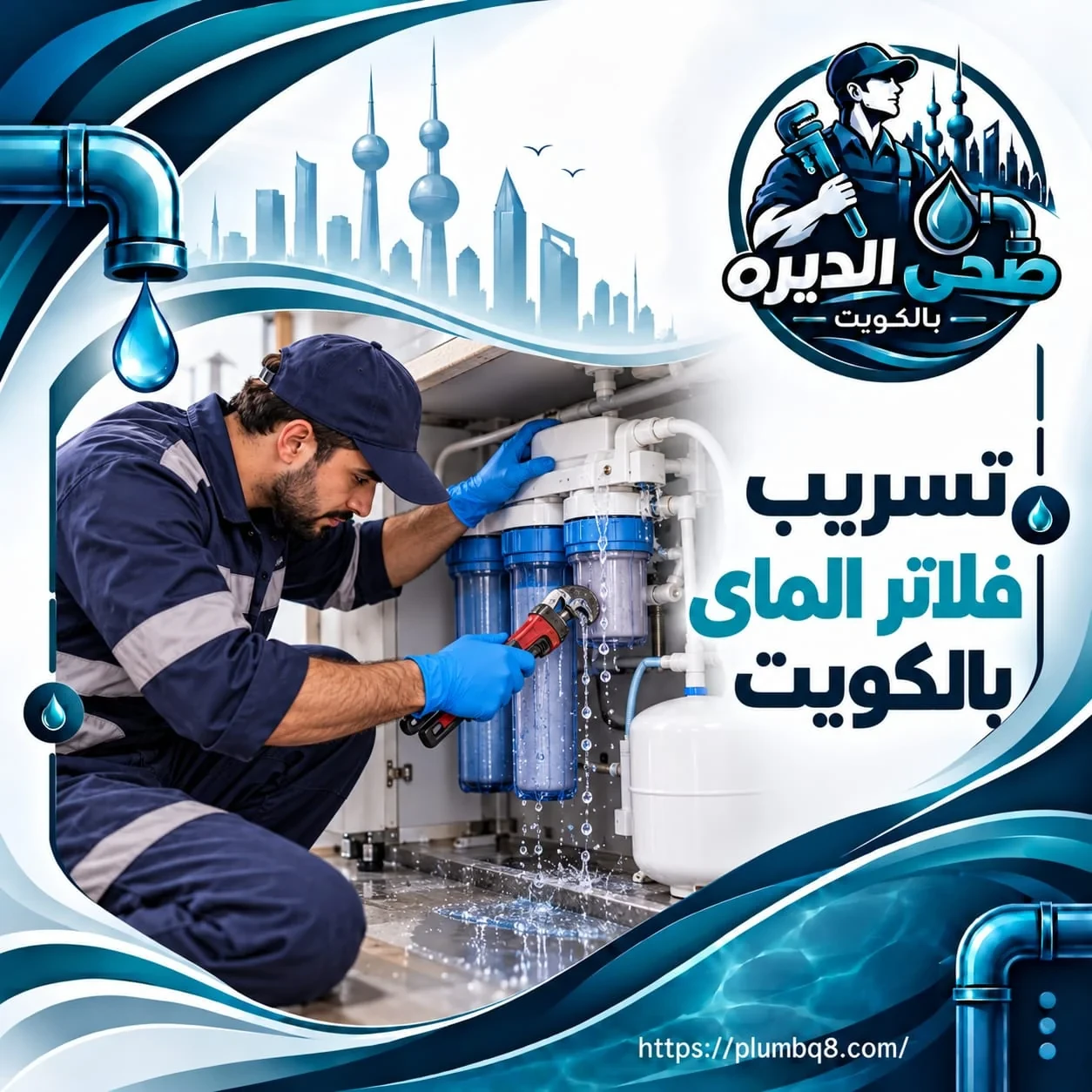
You open the cabinet under your kitchen sink and find water collecting around the water filter. Before deciding that the entire filter is damaged and needs replacing, consider that the leak may be coming from a loose tubing connection, a sealing gasket inside a filter housing, or a component that has cracked because of pressure or installation conditions. The difficulty is that water can escape from one location and collect somewhere else, making a leaking connection above the filter look like a damaged filter housing. Before attempting repairs, shut off the filter's water supply and identify where the moisture originates, especially if electrical outlets or connections are nearby. This article explains how to inspect the leak, when tubing or fittings need replacing, and when the filter housing itself is responsible.
Water Filter Leaking Under the Sink

When you notice a water filter leaking under the sink, the first thing to understand is that water collecting on the cabinet floor does not necessarily reveal the actual location of the fault. A kitchen water filter consists of several interconnected components, including inlet and outlet tubing, filter housings, and fittings. Depending on the model, it may also include a storage tank, valves, and additional components. Any of these parts can allow water to escape if something goes wrong.
The first priority is to stop water entering the filter by closing its dedicated supply valve, provided you can reach it safely. You can then observe where moisture is present without dismantling anything or randomly tightening connections. If water is near electrical wiring, a power adapter, or another electrical component, avoid touching the wet equipment and arrange for the situation to be handled safely by a qualified technician.
A common mistake is to see water beneath a filter cartridge housing and immediately assume that the housing is cracked. Sometimes the water actually comes from a connection above the filter and travels along the tubing or housing surface before collecting at the bottom. The technician therefore needs to identify the first point where water appears, rather than simply the last place where the droplets accumulate.
Consider a practical example: the filter cartridges were replaced two days ago, and moisture subsequently appeared inside the cabinet. This timing makes it important to inspect the components that were opened or moved during maintenance, including the filter housing seal and nearby connections. However, it would be incorrect to assume that the previous technician installed something improperly without checking. An older component may have started leaking after being disturbed.
You should also observe whether the leak continues throughout the day or appears only when the filtered-water faucet is opened. Some leaks change with pressure conditions inside the system and may become visible while the storage tank is filling or when water is not being used, depending on the filter design. Knowing when the problem occurs helps identify which components require inspection.
Even a minor leak should not be ignored. Continuous dripping can damage the cabinet's wooden panels or create persistent moisture around plumbing connections, particularly when the cabinet remains closed and the problem goes unnoticed.
-
If you find water collecting beneath the filter, do not assume that the collection point is the source of the leak because water can travel along tubing and component surfaces before reaching the cabinet floor.
-
If moisture appeared after replacing the filter cartridges, inspect the components opened during maintenance and check the condition of the seals and connections before deciding to replace the entire filtration system.
-
If the leak is close to an electrical adapter or power connection, do not touch wet electrical components or attempt to disconnect them with wet hands, and have the situation handled safely.
-
If dripping occurs only at certain times, such as when opening the filtered-water faucet or while the storage tank fills, tell the technician because this information can help narrow down the inspection.
-
If the cabinet floor is wooden or shows swelling and moisture damage, stop the water supply and address the dampness even if the leak appears minor, because continued moisture can cause additional deterioration.
Water Filter Leaking From a Connection
A water filter leaking from a connection requires careful inspection because even a small fitting can release a noticeable amount of water over time. Many kitchen filtration systems use push-fit connectors for narrow tubing, while others use threaded nuts or different fastening arrangements. The correct repair depends on the fitting design and tubing type.
In push-fit connections, sealing depends on the tubing being inserted correctly and the internal components holding it securely while preventing water from escaping. If the tubing end is scratched, distorted, or cut unevenly, the connection may fail to seal properly even when the tubing appears firmly attached from the outside.
The fitting body itself may also be damaged, especially if a crack develops or an internal sealing component deteriorates. In this situation, pushing the tubing farther into the fitting will not necessarily solve the problem. Sometimes a connector looks suitable but is not compatible with the tubing diameter or operating pressure, making it necessary to verify specifications rather than relying on appearance.
For example, suppose water begins dripping from the point where tubing enters a fitting after the filter was moved to clean the cabinet. The technician should check whether the tubing was pulled or bent in a way that affected its position and examine the tubing end before deciding whether it can be reinstalled or must be replaced.
Another mistake is attempting to stop the leak by applying adhesive materials to the outside without identifying the cause. If water is escaping through an internal sealing point, an external coating may not correct the fault and could make later maintenance more difficult. Any component used in a drinking-water system must also be suitable for that purpose.
Overtightening threaded fittings can damage certain plastic components, particularly when the connector is designed for a specific sealing method. Applying excessive force should never be treated as a universal solution to leaks.
After repairs, the water supply should be restored appropriately and the connection checked under normal operating conditions. The disappearance of visible droplets after wiping the area does not prove that the fitting is properly sealed. The inspection should also include nearby tubing and connections to confirm that the repair has not introduced another problem.
-
If water escapes where the tubing enters the fitting, inspect the tubing end and how it is secured because scratches or deformation may prevent a proper seal even when the tubing is inserted.
-
If the fitting is cracked or damaged, replacing it with a component compatible with the filtration system may be more appropriate than attempting to cover the leak with adhesive.
-
If dripping began after moving the filter, check whether the tubing was pulled or bent at the connection because a change in position may reveal a fastening problem.
-
If the connector is threaded, avoid excessive tightening because some plastic components may crack or become damaged rather than forming a better seal.
-
After repairing the connection, inspect it once water flow and normal system pressure have returned because a successful repair must be confirmed during operation, not simply by seeing a dry surface after wiping.
Water Under the Kitchen Filter
Finding water under the kitchen filter does not always mean the filter itself is leaking. The space beneath a kitchen sink often contains other plumbing connections, including faucet supply hoses, drainage pipes, and shutoff valves. The first distinction to make is whether the moisture comes from a pressurized filter component or another nearby plumbing fixture.
If water appears even when the sink is not being used, the source may be a supply connection or a filtration component that remains pressurized. However, if the water appears only when the kitchen faucet is used or a large quantity of water drains from the sink, the technician may also need to inspect the drainage connections. These observations help guide the investigation but cannot establish a final diagnosis without identifying where water is escaping.
The condition of the moisture is also important. Are there scattered droplets on the tubing, a visible pool on the cabinet floor, or an older damp stain on the wood? The difference between continuous and intermittent leakage helps determine how urgently the problem needs attention and which operating conditions should be examined.
Suppose a homeowner notices water beneath the filter after washing dishes. The first assumption may be that the filter tubing is leaking. However, inspection reveals that water escapes from a sink drain connection when the basin empties. Repairing the filter fittings would accomplish nothing because the actual source is different, even though the water collects beneath the filtration unit.
In another example, the filter tubing runs close to the cabinet wall, and droplets appear along its surface before reaching the wood. The technician needs to trace their origin and distinguish water escaping from a fitting from moisture already present on another surface. The important thing is not to rely on the appearance of the damp area alone but to identify where the leakage begins.
Old moisture marks should not be ignored simply because no water is visible during the inspection. Some leaks occur intermittently, so it is useful to tell the technician when you first noticed the dampness, how often it has returned, and whether the area dried before becoming wet again.
If water is near electrical equipment beneath the sink, safety must take priority before attempting to dry the area or move any appliances.
-
If water appears only after using the kitchen sink, inspect nearby drain connections because moisture beneath the filter does not prove that the filtration system is responsible.
-
If water collects even when the sink is not being used, the technician may need to assess pressurized supply lines and filtration components while considering the filter's operating conditions.
-
If the wood remains damp but no droplets are visible during inspection, explain when moisture usually appears because an intermittent leak may not be present during the initial visit.
-
If tubing runs against the cabinet wall, trace the path of the droplets rather than assuming that the nearest wet component is the damaged one.
-
If water is close to electrical devices or connections, do not move or touch them while they are wet, and ensure that the electrical hazard is addressed safely before repairs begin.
Technician for Repairing a Leaking Water Filter
When you need a technician for repairing a leaking water filter, the objective should be to identify the component allowing water to escape rather than simply stopping the dripping by any available method. A kitchen filtration system contains fittings, tubing, and filter housings. Depending on its design, it may also include a storage tank and a small pump. Each component requires a different inspection and repair approach.
The technician begins by identifying the filter type, the number of filtration stages, and the visible location of moisture. Once the area is safe, the technician reviews the water route through the equipment and determines which components are pressurized and where leakage appears. This is particularly important when the filter is installed inside a narrow cabinet because reaching certain connections may require moving components without pulling or damaging the tubing.
One factor that distinguishes an appropriate repair is the technician's ability to tell the difference between a connection that needs proper reinstallation and a component that has lost its sealing integrity. Some problems can be corrected by adjusting the tubing position or securing it according to the fitting design, while a cracked connector or filter housing may require replacement.
Suppose the leak began after cartridge replacement, and the technician discovers that one housing is not sealing correctly. The gasket, its installation position, and the condition of the threads should be inspected before deciding what needs to be done. If the housing body is cracked, however, additional tightening will not repair the damage and may make it worse.
It is also important to agree on the cost of the work after the problem has been identified. Repairing a small fitting differs from replacing a cartridge housing, tubing, or a component associated with the filter's storage tank. Any replacement parts should match the equipment specifications and be suitable for contact with drinking water.
With Sehi Al Deira, you can request an inspection of a leaking kitchen water filter to identify the source and discuss the required repair before replacing components. Ideally, the service should finish with a practical operating test confirming that the leakage has stopped.
-
If moisture appears in several places, the technician should determine whether there are separate faults or whether water is spreading from one source before recommending the replacement of multiple fittings.
-
If the filter must be moved to reach the damaged component, the technician should consider tubing length and installation position so that accessing the fault does not pull on an undamaged connection.
-
If replacing a filter housing or fitting is recommended, ask why the existing component cannot be repaired rather than approving replacement solely because moisture is visible nearby.
-
If replacement parts are included in the repair cost, verify that they are compatible with the filter design and suitable for drinking-water contact instead of choosing them based only on their apparent dimensions.
-
After repairs are completed, a dry surface following cleaning is not enough; the connections should be observed while water passes through the system to confirm that the leak has actually stopped.
Water Filter Tubing Is Leaking
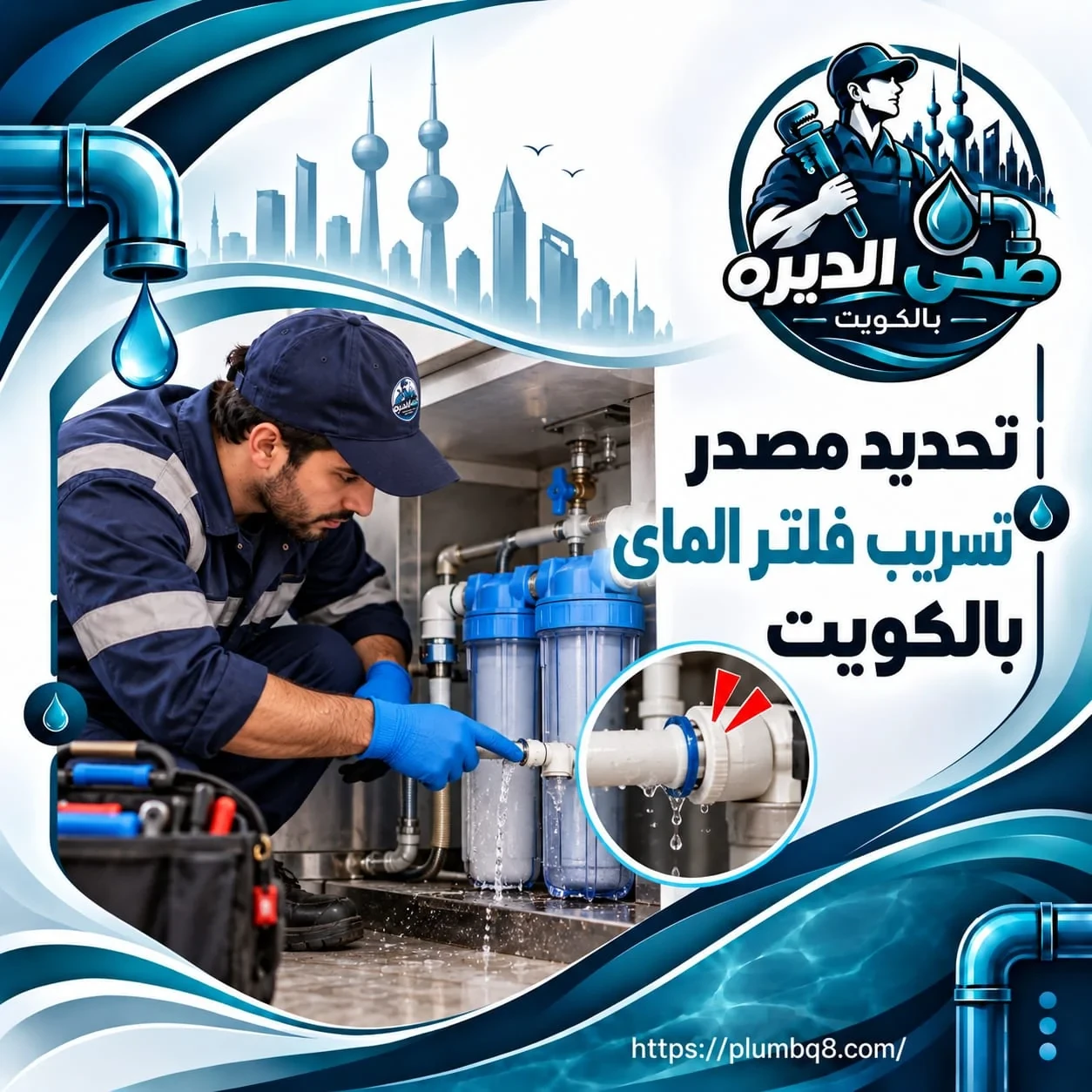
If you notice that water filter tubing is leaking, you need to distinguish between water escaping through the tubing wall and water leaking from the end connected to a fitting. This difference matters because the appropriate repair depends on the location of the damage. The tubing may look intact along its length while its end no longer seals properly, or it may have a scratch or cut allowing water to escape from the middle.
Water filter tubing is generally narrow and flexible to accommodate connections beneath the kitchen sink. However, flexibility does not mean it can withstand unlimited bending or pulling. If the tubing is trapped behind a drawer or compressed between the filter and cabinet wall, its shape may become distorted or continuous stress may develop at a connection.
One situation worth investigating is leakage that begins after cleaning supplies are rearranged inside the cabinet. A heavy container may move and press against the tubing or push it toward a sharp edge. After some time, moisture may appear at the point of contact or at a fitting affected by the pulling force.
Suppose the tubing leaks from the middle because its wall is visibly damaged. Wrapping adhesive tape around the affected section is not an appropriate permanent repair for a pressurized drinking-water line. The better option is to assess replacing the damaged section with tubing compatible with the filter specifications, pressure, and operating conditions.
If leakage occurs at the tubing end, the technician should inspect the end's condition and how it enters the fitting. Some push-fit connectors require a straight, undamaged tubing end to seal correctly. Any correction must follow the fitting requirements while ensuring the remaining tubing length is sufficient and does not create tension.
Tubing should not be selected simply because it looks similar to the original. Compatibility includes the correct diameter, material suitability for drinking water, pressure rating, and permitted temperature range for the system.
-
If water escapes through the middle of the tubing, replacing the damaged section should be considered rather than relying on adhesive tape because the tubing must maintain its integrity under operating pressure.
-
If the tubing bends sharply behind the filter, its route should be adjusted appropriately because severe bending may restrict water flow or increase stress on the connections.
-
If the problem appeared after items were placed inside the cabinet, inspect points where the tubing contacts edges or heavy objects instead of concentrating only on its ends.
-
If leakage occurs where the tubing enters a fitting, the technician should evaluate the tubing end and how it is secured before deciding whether correction or replacement is necessary.
-
If tubing replacement is required, select a product suitable for drinking water and compatible with the fitting dimensions and operating pressure rather than installing tubing that merely looks similar.
Leak From the Filter Cartridge Housing
A leak from the filter cartridge housing requires a different approach from a tubing leak. The cartridge housing contains the filtration element and is designed to close securely so that water passes through it without escaping at the sealing points. In many residential systems, the housing consists of a head, a removable bowl, and a sealing gasket, although designs vary between manufacturers and models.
If droplets appear around the joint between the bowl and housing head, the cause may involve the gasket's condition, its position, or how the housing was closed. The gasket must be the correct size and positioned properly because twisting or damage can prevent a reliable seal even when the housing appears tightly secured.
One mistake that sometimes occurs after replacing cartridges is attempting to stop leakage by tightening the housing excessively. Some filter housings are made from materials that can be damaged by too much force, especially when the threads are not correctly aligned or have an existing defect.
However, not every leak around a cartridge housing comes from the gasket. A crack may develop in the bowl or housing head, and water can appear away from the joint. The entire housing therefore needs inspection rather than automatically replacing the gasket as soon as moisture is discovered.
For example, after installing a new cartridge, water begins dripping from one side of the filter housing. Inspection reveals that the gasket is not seated correctly. Repositioning it according to the equipment instructions may be sufficient if the gasket is undamaged. If the gasket is deteriorated or the housing is cracked, the affected component will need replacement.
The housing must not be opened while it is pressurized. The water supply should be shut off and pressure relieved according to the filter's instructions before dismantling, because opening it directly can cause water to escape forcefully or damage components.
After repairs, the housing should be tested and monitored under appropriate operating conditions. Some minor leaks become visible only after normal pressure returns and water stabilizes inside the system.
-
If water appears at the joint between the cartridge bowl and housing head, inspect the gasket, its position, and the sealing surfaces rather than assuming additional tightening will stop the leak.
-
If a crack is found in the filter housing, replacement of the damaged component should be assessed because covering the crack externally may not provide a reliable seal.
-
If leakage began after cartridge replacement, the technician should review the closing procedure, threads, and gasket condition while checking for improperly installed components.
-
If the cartridge housing needs to be opened, the water supply must be closed and pressure relieved appropriately before work begins to prevent water from escaping when the housing is opened.
-
If the gasket or housing is replaced, the sealing area should be tested again under normal operating conditions to confirm that water no longer escapes and no new moisture appears.
Repairing Water Filter Connections
Repairing water filter connections does not mean every fitting surrounded by moisture needs replacement. Sometimes the problem involves the way tubing was installed or an incompatible component added during earlier maintenance. The fitting's condition, purpose, and position within the water route should therefore be evaluated before deciding on a repair.
A kitchen water filter may contain straight connectors, elbow fittings, and distribution or conversion fittings, depending on the number of stages and installation arrangement. Each type has a particular function. Some provide a secure seal, while others redirect tubing or connect different sections of the system.
An important detail is that the fitting must match the tubing diameter, fastening method, and operating pressure. If it forms part of the drinking-water route, its material must also be suitable for that application. Using a component that looks similar but is incompatible may result in repeated leakage or poor tubing retention.
Suppose a kitchen filter was moved from one side of the cabinet to the other, and droplets subsequently appeared around an elbow connector. Instead of replacing it immediately, the technician should check whether the tubing is pulling the fitting in a particular direction or entering it at an unsuitable angle. The problem may be caused by how the tubing is arranged inside the limited cabinet space.
In another situation, an older fitting has a visible crack. Replacement may be the most appropriate solution, provided the new part is compatible with the filtration system. If a threaded fitting requires a particular sealing method, its design requirements should be followed rather than applying additional materials indiscriminately.
When choosing between repair and replacement, the condition of the component should guide the decision. A fitting with a damaged body is different from an intact fitting that needs correct reinstallation. The goal is to address the cause without unnecessary expense or a temporary repair that allows the leak to return.
-
If the fitting appears intact but the tubing is not properly secured, the technician may need to correct the installation method rather than replace the connector without evidence of damage.
-
If the fitting is installed at an angle that continuously pulls on the tubing, the route inside the cabinet should be reviewed so that stress does not remain on the connection after repair.
-
If cracking or damage is visible in the fitting body, replacing it with a compatible component should be considered rather than attempting to tighten it with additional force.
-
If the repair requires a new fitting, its dimensions, fastening method, pressure suitability, and compatibility with drinking water should be confirmed before installation.
-
If the fitting is part of a closely arranged group of connections, nearby points disturbed during the repair should also be checked so that fixing one leak does not create another through tubing movement.
Seven-Stage Water Filter Leaking Water
When a seven-stage water filter is leaking water, understanding the arrangement of its components becomes especially important. Some systems include primary cartridge housings, additional filtration stages, a storage tank, a pump, and control valves. However, not every seven-stage filter has the same configuration, so the actual equipment must be inspected rather than relying on the number of stages alone.
One important distinction is that some reverse osmosis filtration systems store treated water inside a tank. Parts of the system may remain pressurized even when the drinking-water faucet is not being used. As a result, leakage may appear while the storage tank is filling or after water use stops, rather than only when someone opens the faucet.
The small pump installed in certain models also introduces additional connections and components that may require evaluation if moisture appears nearby. However, finding water around the pump does not mean the pump itself is leaking. Droplets may be falling from tubing or a fitting positioned above it.
Suppose a seven-stage filter does not leak while its drinking-water faucet is open, but water appears inside the cabinet after several hours without use. This observation may lead the technician to inspect components that remain pressurized while the storage tank fills or after operation stops, while tracing the exact point where water escapes.
If leakage occurs only while the small pump is operating, the technician may need to examine connections affected by that stage of operation. Nevertheless, the timing alone cannot identify the damaged component because some parts experience pressure under several operating conditions.
Replacing every filter cartridge simply because a leak has appeared is another mistake. The cartridge performs a filtration function, while water may be escaping from its housing, a connector, or tubing. Replacing the filtration element alone will not repair a cracked housing or a faulty seal.
The cost of repairing a seven-stage water filter also depends on more than the number of stages. The location of the leak, the damaged component, accessibility, and availability of a compatible replacement part all affect the work required.
-
If the filter includes a storage tank, observe whether leakage appears while the tank fills or after water use stops because this timing may help identify which components need inspection.
-
If a small pump is installed in the system, trace the origin of the droplets before declaring the pump damaged because water may be dripping onto it from a fitting above.
-
If leakage occurs around a primary cartridge housing, inspect the housing body, gasket, and related fittings rather than replacing every filtration stage unnecessarily.
-
If water appears after several hours without using the filter, the technician may need to assess components that remain pressurized instead of testing only while the drinking-water faucet is open.
-
If a component in a seven-stage filter needs replacement, compatibility with the actual equipment design must be confirmed because the number of stages alone does not determine fitting types or component dimensions.
Identifying the Source of a Kitchen Water Filter Leak
Identifying the source of a kitchen water filter leak is what separates repairing the actual fault from spending money on components that are still functioning properly. Leakage inside a cabinet may be obvious because of the amount of water present, yet the starting point can remain unclear. The inspection must identify where water first escapes, not simply where it eventually collects.
Before an inspection, it is useful to know whether moisture appeared after cartridge replacement, moving the filter, or modifying the sink plumbing. It also helps to observe whether the leak is continuous or intermittent and whether it changes when the filtered-water faucet or kitchen sink is used. These details help organize the inspection without assuming a cause in advance.
The technician should examine the components systematically, beginning with visible connection points, tubing condition, and cartridge housings. If several possible water routes are involved, each should be assessed under operating conditions appropriate for the equipment.
Suppose there is water on the cabinet floor, but the filter housing looks dry during the inspection. The problem should not automatically be considered resolved, particularly if the homeowner has noticed moisture returning over several days. Leakage may occur only when pressure changes or during a particular operating stage, so the technician may need to evaluate the conditions under which the fault appears.
It is also important to distinguish an old leak mark from an active leak. A damp stain on wood does not prove that water is currently escaping from the same location. Specific points may need monitoring after the area has been dried safely.
If several genuine leaks are present, each one should be identified separately. Repairing one fitting may stop some of the moisture while water continues escaping from another component.
With Sehi Al Deira, you can request an inspection to identify the source of a kitchen water filter leak before agreeing to replace tubing, fittings, or cartridge housings. The objective is to base the repair decision on the actual leakage point and the damaged component's condition rather than guesswork.
-
If water collects away from the filter housing, trace its path along nearby tubing and surfaces because droplets may travel before reaching the cabinet floor.
-
If leakage occurs intermittently, explain the conditions under which it appears rather than describing only the amount of water because the timing may help identify components affected by pressure.
-
If old moisture marks are present, distinguish them from new water so that an earlier stain is not treated as proof that leakage continues from the same location.
-
If several wet areas are visible, determine whether water is escaping from multiple actual points or spreading from a single source to other components.
-
If the inspection identifies a damaged part, the reason for repairing or replacing it should be explained, and the result should be tested before considering the problem resolved.
Leaking Water Filter Maintenance in Kuwait
Requesting leaking water filter maintenance in Kuwait is appropriate when water begins collecting beneath the sink or a connection repeatedly drips. Continued leakage inside a kitchen cabinet can cause moisture damage to surrounding materials, even when the amount of water seems small and the filter still appears to function normally.
Before requesting service, it helps to identify the filter type, if possible, its number of stages, and the visible location of moisture. A clear photograph of the leak may help explain the problem, provided it can be taken without moving the equipment or touching anything hazardous. However, a photograph alone may not reveal the actual source, particularly when water travels from one fitting to another component.
It is important to ask about the work required after inspection. Does the problem involve tubing that needs replacement, a fitting that no longer seals, or a cracked cartridge housing? Each situation requires a different repair method and may involve different costs. If the filter is old and several components are damaged, comparing repair costs with the equipment's overall condition may be more appropriate than replacing parts without a broader assessment.
In Kuwait, kitchen water filter installations vary according to cabinet space, filter type, water supply valve position, and tubing arrangement. A single repair procedure cannot be assumed suitable for every system. A compact filter with a few connections differs from a system containing a storage tank, pump, and additional filtration stages.
Suppose a homeowner requests repair of what appears to be a small tubing leak, but inspection reveals a crack in a nearby cartridge housing. The actual problem should be explained before work begins because replacing the tubing alone will not prevent water from escaping through the cracked housing.
After repairs, the technician should confirm that the leakage has stopped and review the connections affected by the work. If parts of the drinking-water route were opened or components were replaced, the manufacturer's instructions regarding flushing or sanitizing, where necessary, should be followed before returning the system to drinking-water use.
You can request an inspection from Sehi Al Deira to identify why a water filter is leaking beneath the sink and discuss the appropriate repair. An important factor when choosing a service is clear diagnosis and identification of the required component before replacement, followed by testing the connections rather than merely stopping the visible dripping temporarily.
-
If leakage continues inside the kitchen cabinet, close the filter's water supply safely and avoid delaying inspection because accumulated moisture may damage the wood and surrounding components.
-
If you know the filter type, mention it when requesting maintenance because the equipment design and number of stages may help explain the arrangement of fittings and components requiring inspection.
-
If the technician recommends replacing several parts, ask about the condition of each component and why replacement is necessary so the decision is based on actual damage rather than simply finding water inside the cabinet.
-
If repair costs are high compared with the filter's condition, discussing the practicality of repair versus replacement may be appropriate without automatically assuming that buying a new system is always the best solution.
-
Once maintenance is complete, the connections should be tested and the filter's operating instructions followed after opening the drinking-water route so the system can be returned to use appropriately.
Conclusion
If your water filter is leaking beneath the kitchen sink, do not rush to replace the entire filtration system or attempt to solve the problem by tightening every fitting or applying adhesives randomly. The cause may be a damaged tubing end, a fitting that has lost its seal, or an improperly positioned cartridge housing gasket. In other situations, a cracked component may need replacement.
The important thing is to shut off the filter's water supply when it is safe to do so and identify the source before carrying out repairs. With Sehi Al Deira, you can request an inspection of your kitchen water filter and discuss the necessary repair according to the condition of the fittings, tubing, and cartridge housings, with leakage checked again after restarting the system.
Frequently Asked Questions About Water Filter Leaks Under the Sink
Why is my water filter leaking under the sink?
Possible causes include a poorly sealed fitting, damaged tubing, a problem with a cartridge housing gasket, or a crack in one of the components. Identifying the cause requires locating the first point where water escapes rather than relying on where it collects.
Does a leaking water filter need to be replaced completely?
Not always. Some leaks can be corrected by repairing a connection or replacing suitable tubing or a gasket. If the body of a component is damaged, the affected part may need replacement after inspection.
What should I do first when I find water beneath my kitchen filter?
If you can reach it safely, close the filter's water supply valve and avoid touching wet electrical connections. Then arrange an inspection to identify the source of the leak, and do not dismantle components while they are pressurized.
Can a fitting leak even when the tubing feels secure?
Yes. Tubing that feels secure from the outside does not guarantee a reliable internal seal. The tubing end may be scratched or incompatible, or the fitting itself may be damaged.
Why did my filter start leaking after cartridge replacement?
The problem may involve the cartridge housing gasket, the closing method, or a connection disturbed during maintenance. The affected components should be inspected before identifying the cause.
Can I repair leaking water filter tubing with adhesive tape?
External adhesive tape is not an appropriate substitute for repairing damaged pressurized drinking-water tubing. The better approach is to assess replacing the damaged section with tubing compatible with the equipment specifications.
How can I tell whether the leak comes from the cartridge housing?
You may notice droplets around the housing joint or on its body, but water could also be dripping from a fitting above it. The technician should trace where the water first escapes and inspect the gasket and housing before identifying the fault.
Are seven-stage water filters more likely to leak?
The number of filtration stages alone does not prove that a filter is more likely to leak. However, some systems include additional connections, a storage tank, and other components, making leak identification dependent on the actual equipment design and condition.
How much does water filter leak repair cost in Kuwait?
The cost depends on the source of the leak, filter type, required component, and nature of the work. Repairing a fitting differs from replacing a cartridge housing or tubing, so it is better to establish the cost after inspection.
When should I call a technician to repair a leaking water filter?
If water continues appearing beneath the sink, moisture returns after the area has been dried, or you notice leakage from tubing or a cartridge housing, a professional inspection is appropriate. It is best to shut off the filter's water supply safely until the cause has been identified and corrected.
Need help from a plumber?
Related articles
 🛠️ Weak Water Flow Solutions
Water Pump Running but Not Pumping? What Should Be Checked
 🪠 Bathroom & Toilet Drain Unclogging
Toilet Clogged? Is the Blockage in the Toilet or Drain Pipe?
 🚨 24/7 Plumbing Emergency